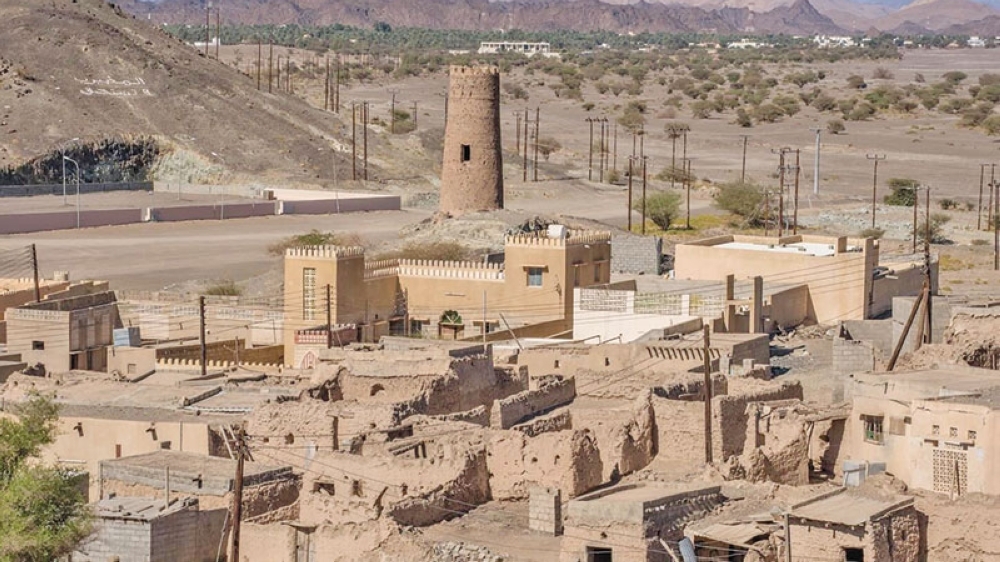





Beyond the mountain views and empty houses, Oman’s old settlements invite us to consider the lives people built and why they eventually moved on.
The first time I stepped into Harat Al Yemen, in Izki, I felt unnerved. Beyond each alley were more houses, doorways and traces of a once-busy community. How could a village of this size become abandoned?
As I walked further, the layout began to make sense. The mosque stood at the heart of the community, while entrances and passages connected homes and shared spaces. What first appeared to be a maze had an order to it.
In Oman, a harah is a traditional residential quarter where homes, places of worship and everyday routines bring people together.
Older Omanis had told me about an afternoon ritual: roasted coffee beans crushed in a mortar and pestle, their aroma travelling between houses as an invitation to share coffee. Standing in those empty alleys, I tried to imagine hearing that familiar sound.
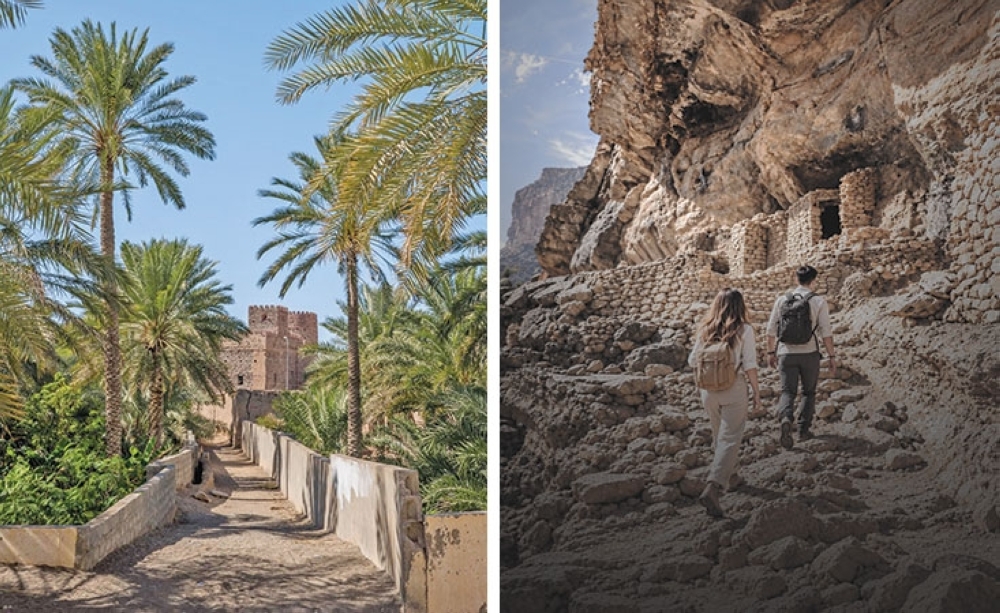
At Sab Bani Khamis, also known as As Sab, on Jabal Shams, homes cling to the mountainside beneath towering rock faces. Reaching the settlement along the Balcony Walk, I wondered how families managed everyday tasks such as growing food, collecting water and carrying supplies home.
Accounts of the village describe a gradual departure, with some winter use continuing until around 2000, when its agricultural spring dried up. Better access to services elsewhere also encouraged people to leave.
At Wadi Bani Habib, on Jabal Akhdar, houses built along the slopes reveal how architecture responded to the mountain climate and household needs. Even damaged walls preserve traces of the builders’ knowledge.
Far north, near Lima in Musandam’s Khasab wilayat, Al Qanaif contains the remains of more than 200 stone houses, water basins and food-storage spaces. Here, builders adapted to rocky terrain and mountain runoff to make the landscape habitable.
In Al Qabil, Quriyat, ruined homes, a mosque and old falaj channels recall an agricultural settlement where fruit trees once grew. Drought affected the former oasis, highlighting how closely daily life depended on water.
Elsewhere, abandoned quarters exist alongside living communities. Old Al Mudhaireb, in North Al Sharqiyah, retains historic buildings near a community where restoration efforts have helped revive the old market.
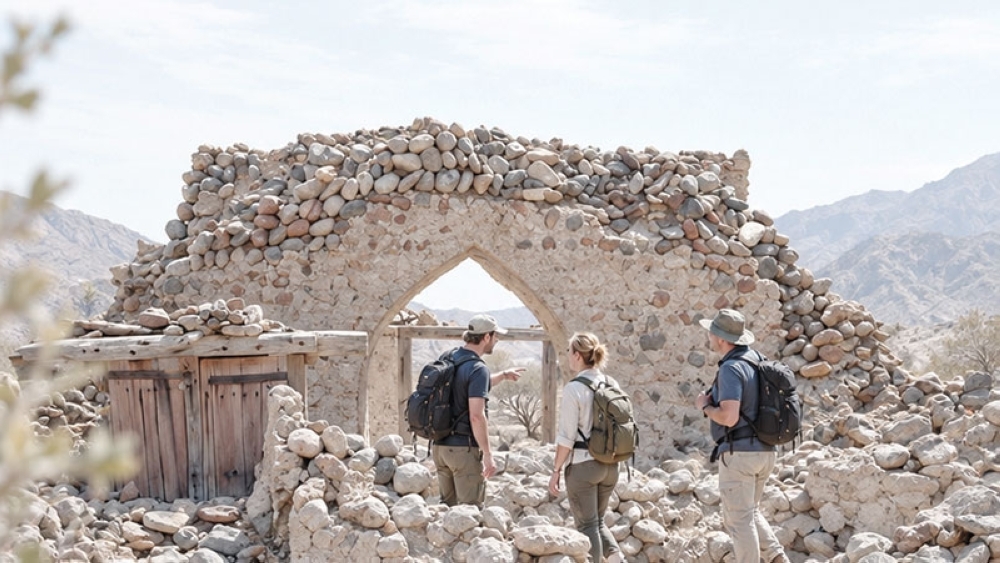
At Al Saloot, in Wadi Bani Kharus, Al Awabi, mosques, rock inscriptions and dated grave markers offer glimpses of a settlement connected to routes between the coast and interior.
In Wadi Al Murr, Jalan Bani Bu Ali, shifting sand enters homes and gathers around walls. Former residents still return to a place they once called home.
As I researched these villages, I kept wondering when staying became harder than leaving. Did water grow scarce? Did mountain winters become harder to bear? Did schools, healthcare or employment elsewhere make a different life possible?
Each village has its own story. An empty house cannot tell us everything.
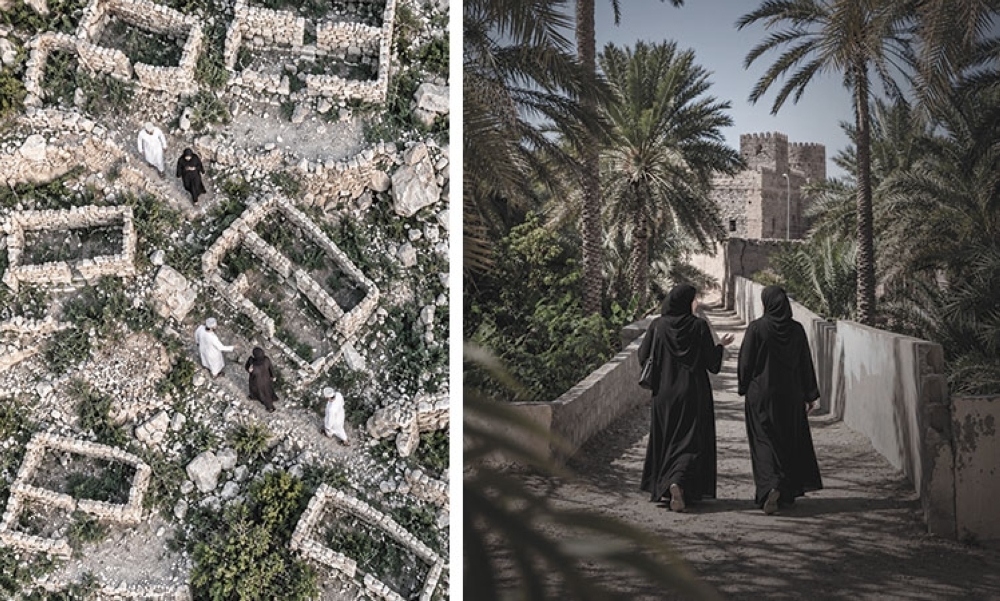
To understand these places, look beyond the scenery. Follow the water channels, notice the storage rooms and consider the work behind an ordinary day.
The earth holds traces of these lives, but families carry their memories too.
I arrived at Harat Al Yemen wondering how so many homes could become empty. I left wondering what new doors had opened for those who moved on.
Oman Observer is now on the WhatsApp channel. Click here