




BANGKOK — Stubborn conflicts, high energy prices and rapid technological disruptions are deepening the divide between economic winners and losers across the globe, the International Monetary Fund warned on Tuesday in Bangkok.
Overall growth is lackluster but stable — 3.1% this year and 3.4% in 2027, the fund forecasts. But the average, it pointed out, “masks a reallocation of growth across economies.”
Countries, particularly low-income ones, that are dependent on oil imports and lack competitive tech-related sectors face an increased risk “that recent shocks will widen income gaps across and within countries.”
High energy and fuel prices will continue to take a bite out of households’ ability to pay their bills. The fund estimates that inflation will increase to 4.7% this year and 4.1% next year.
“A prolonged conflict in the Middle East could put additional pressures on inflation and slow down growth,” said Silvana Tenreyro, the fund’s chief economist. “The economy has been resilient, but that resilience is reaching its limits,” she added.
The World Economic Outlook was released as top economic policymakers gathered in Bangkok this week for the annual meetings of the IMF and the World Bank.
The unceasing economic shocks related to the ongoing war in Ukraine, conflict in the Middle East, President Donald Trump’s tariffs and the collapse of a cooperative international economic order are roiling rich and poor countries as governments struggle to deal with conditions over which they often have limited control.
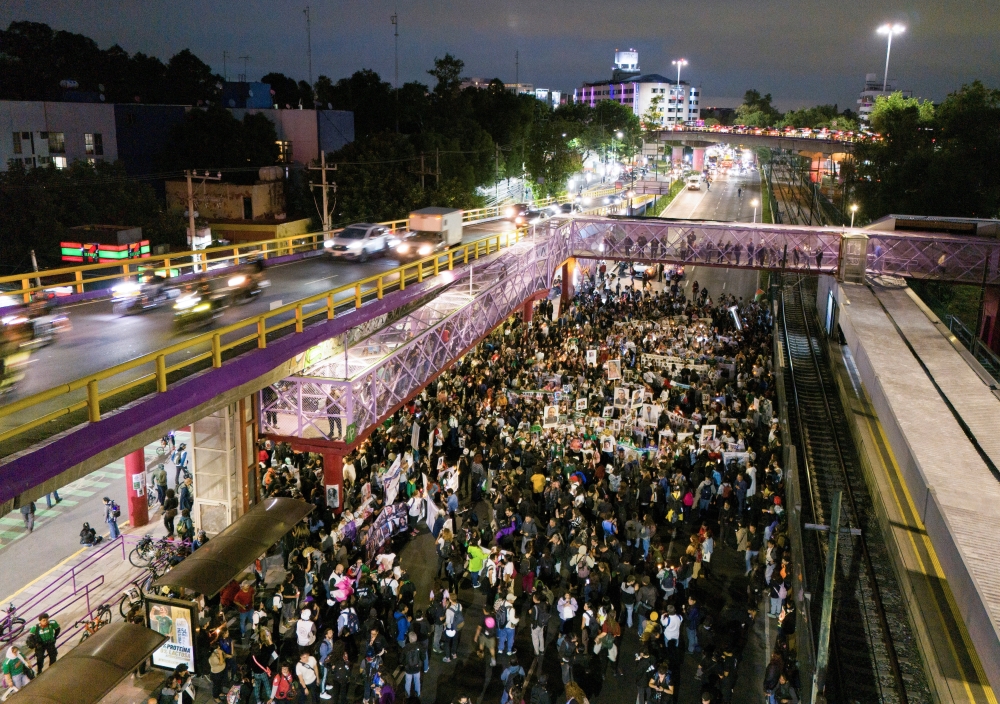
In France, the violent protests over decrepit schools and underpaid teachers are rooted in larger economic problems related to crushing public debt, high borrowing costs, elevated fuel prices and political discontent.
France was one of the few countries in the euro area whose outlook was downgraded from the fund’s previous report this year.
But the larger economic travails are dogging every nation.
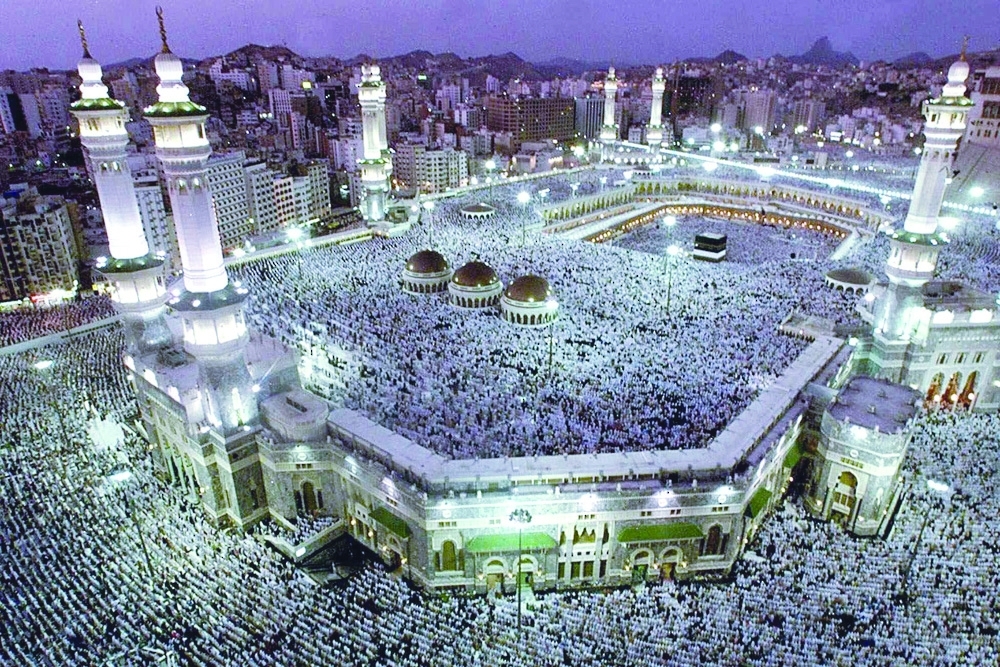
Uncertainty is the watchword. There is little sign of a resolution in the Middle East as violence surged over the weekend with Ansar Allah attacks on Saudi Arabia and strikes in Yemen.
Climate change is taking a toll. Intense heat and drought already disrupted supply chains and production this summer. Estimates of damage from El Nino could drag down global growth by trillions of dollars over time.
Cyberattacks also threaten to upend critical operations and undermine confidence — something France got a taste of this week when hackers hit French supermarkets and raised temperatures in refrigerators and freezers.
And speculation over the kind of upheaval artificial intelligence might cause ranges from supercharging productivity and profits to eradicating most jobs or even the human race.
The IMF acknowledged that governments would be pressured to ease the burden of higher prices on households and businesses. But the fund’s economists sternly warned against overspending in a world of soaring debt and high borrowing costs, recommending assistance that is temporary and targeted.
In the United States, the fund is forecasting growth of 2.3% this year and next. Among countries that use the euro, growth is expected to reach only half that level. Britain does not fare much better, with estimated growth of 1.3% this year and a notch less next year.
In China, growth is expected to slow this year to 4.5% as the country strains to manage higher energy costs, a weak property sector and low levels of domestic consumption.
India is among the fastest-growing major economies, with growth projected to reach 7% this year. Other Southeast Asian countries are getting a boost from growth in data centers and other technology-related investment.
In the Middle East, Bahrain, Iraq, Kuwait and Qatar have all been gut-punched by the interruption of their oil and gas trade, and are expected to suffer double-digit drops in their total output this year, the fund said. They are expected to make up those losses next year as conditions get back to normal.
The forecast for Saudi Arabia, completed before the recent attacks, estimated that the country’s more diversified economy would contract 3.3% this year before growing 7.9% in 2027.
It will take another year before conditions in the Gulf region return to prewar levels, the fund estimated. In the meantime, shortages are likely to persist even as oil production and delivery revive.
Poorer and developing nations will be most affected because they lack the resources to compete for limited supplies with richer countries.
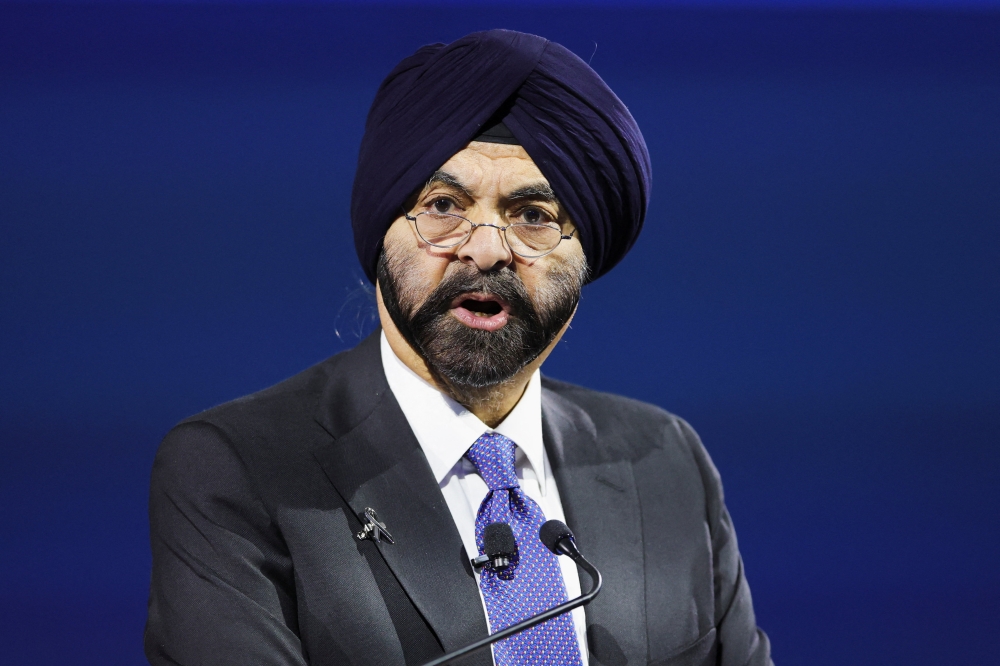
“What’s happening is that every country has now suddenly figured out that energy security is national security,” said Ajay Banga, president of the World Bank.
Banga also focused on longer-term development issues. “We’ve got this demographic bulge coming,” he said. Over the next 12 to 15 years, roughly 1.2 billion young people in emerging economies will reach working age, but jobs won’t exist for most of them.
With foreign assistance from rich countries shrinking, Banga emphasized that private investment is the only way for emerging markets to spur economic growth and create jobs.
“It’s the math of development,” he said.
This article originally appeared in The New York Times.
Oman Observer is now on the WhatsApp channel. Click here