




Oman’s economy is entering a new phase of economic transformation, characterised by continued GDP growth and improving financial indicators. This coincides with a government drive to diversify the economic base and boost the contribution of non-oil sectors to growth, in alignment with the objectives of Oman Vision 2040 and the 11th Five-Year Development Plan.
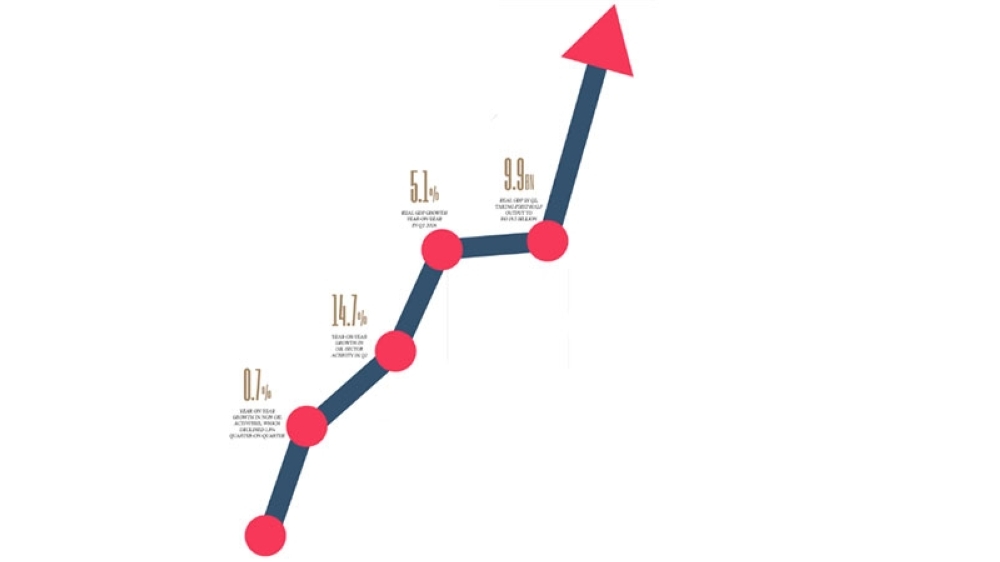
According to the latest research reports from Ubhar Capital, recent data indicates that Oman’s real GDP grew by 5.1% year-on-year and 2.4% quarter-on-quarter during the second quarter of 2026, driven primarily by the strong performance of the oil sector.
Real GDP reached approximately RO 9.9 billion in the second quarter, bringing the total for the first half of the year to around RO 19.5 billion. Meanwhile, GDP at current prices stood at approximately RO 12.9 billion for the second quarter and RO 23.3 billion for the first half.
For the first half of the year, real GDP grew by 3.8% year-on-year, reflecting continued economic expansion; however, the distribution of growth across sectors remains a key factor in assessing the economy's strength and sustainability.
HYDROCARBON PERFORMANCE AND SECTOR DISPARITIES
The data revealed that the oil sector was the primary driver of GDP growth during the second quarter, with activity rising by 14.7% year-on-year and 12.4% quarter-on-quarter. Crude oil production grew by 15.2% year-on-year, while natural gas production rose by 11.7%, trends that directly influenced the GDP growth rate during the period.
This performance underscores the hydrocarbon sector's importance to the Omani economy while highlighting the need to sustain economic diversification efforts; long-term growth sustainability requires broadening the base of value-generating economic activities to reduce reliance on volatile energy markets.
In contrast, non-oil activities showed more moderate performance during the second quarter, recording year-on-year growth of 0.7% but a quarter-on-quarter decline of 1.1%.
Alongside GDP growth, forecasts by S&P Global Ratings indicate a continued improvement in the Sultanate of Oman’s financial indicators; a general government budget surplus equivalent to 4.8% of GDP is projected for 2026, before easing to 2.2% in 2027.
The agency also projects real GDP growth of 3.5% in 2026, alongside a decline in the public debt-to-GDP ratio to 30.2%.
Furthermore, forecasts point to a continued current account surplus, reflecting the improvement of the Sultanate’s external financial position and its ability to maintain stability in its external accounts. Despite the strong growth recorded in the second quarter, data reveals a clear disparity between the performance of the oil sector and non-oil activities, making the acceleration of economic diversification a key challenge for the Omani economy in the period ahead.
STRATEGIC FOCUS UNDER THE 11TH FIVE-YEAR PLAN
The 11th Five-Year Development Plan, representing the second implementation phase of Oman Vision 2040, aims to bolster non-oil sectors, enhance investment efficiency, expand private sector participation, and improve the business environment. These measures are designed to build a more diversified economy that is less susceptible to oil price fluctuations.
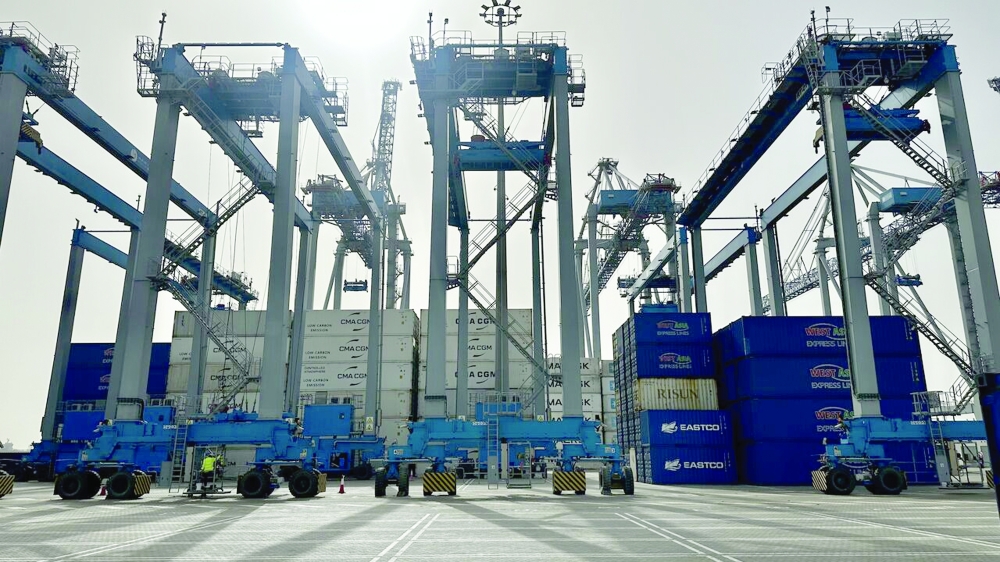
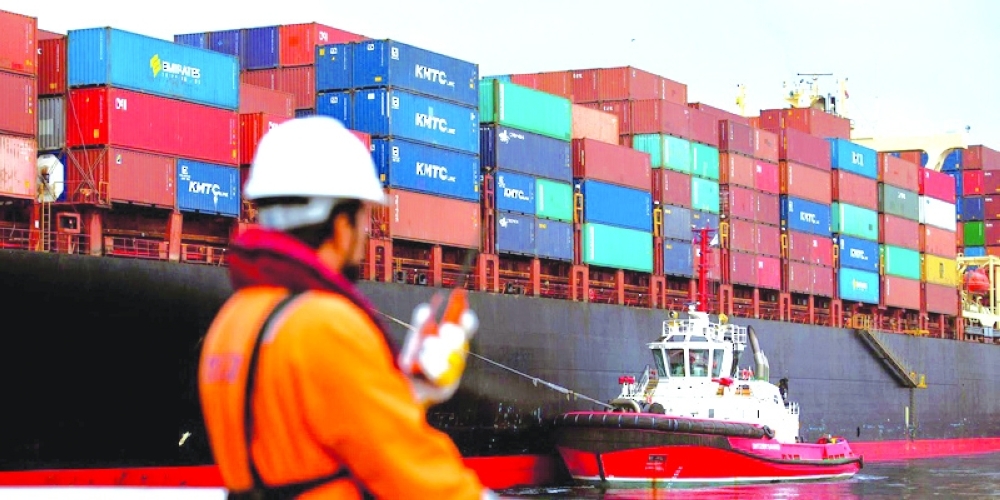
Manufacturing, logistics, tourism, mining, fisheries, renewable energy, and financial and technical services stand out as key sectors poised to expand the production base, generate local value-added, and boost exports.
The private sector is assuming increasing importance in the coming phase, particularly as the economy shifts away from reliance on public spending as a primary driver of activity and moves toward a greater role for private investment in generating output and employment opportunities.
The challenge lies in channelling investments into productive projects capable of competing and exporting, while leveraging the Sultanate of Oman’s geographic location, ports, natural resources, and renewable energy potential. Such efforts aim to increase local value-added and strengthen the economy's integration into regional and global value chains.
Furthermore, developing capital markets and financial services supports this transformation by providing funding sources for companies, broadening the investor base, and encouraging the channelling of domestic savings into productive investments.
PATHWAYS TO SUSTAINABLE LONG-TERM GROWTH
The International Monetary Fund views the continuation of structural reforms as essential for fostering sustainable growth, particularly in areas such as financial sector development, business environment improvements, institutional efficiency, and support for digital transformation and renewable energy. Developing higher value-added non-oil exports also stands out as a key pathway to reducing the economy's vulnerability to oil price fluctuations and achieving more sustainable growth.
From an economic perspective, the coming phase is not merely about achieving high growth rates but about reshaping the very sources of growth. Truly sustainable growth relies on increased productivity, investment, exports, and the expansion of non-oil activities, rather than depending solely on improvements in oil production or prices.
The priority lies in transforming the Sultanate of Oman’s economic and geographic advantages into an advanced production base by attracting high-quality investments, developing exportable industries and services, and fostering innovation and technology.
Consequently, the success of this economic transformation will be measured by the Omani economy's ability to generate value-added outside the oil sector, broaden the base of companies and investors, boost productivity in non-oil sectors, create high-quality job opportunities, and translate investments into actual production and exports.
Oman Observer is now on the WhatsApp channel. Click here