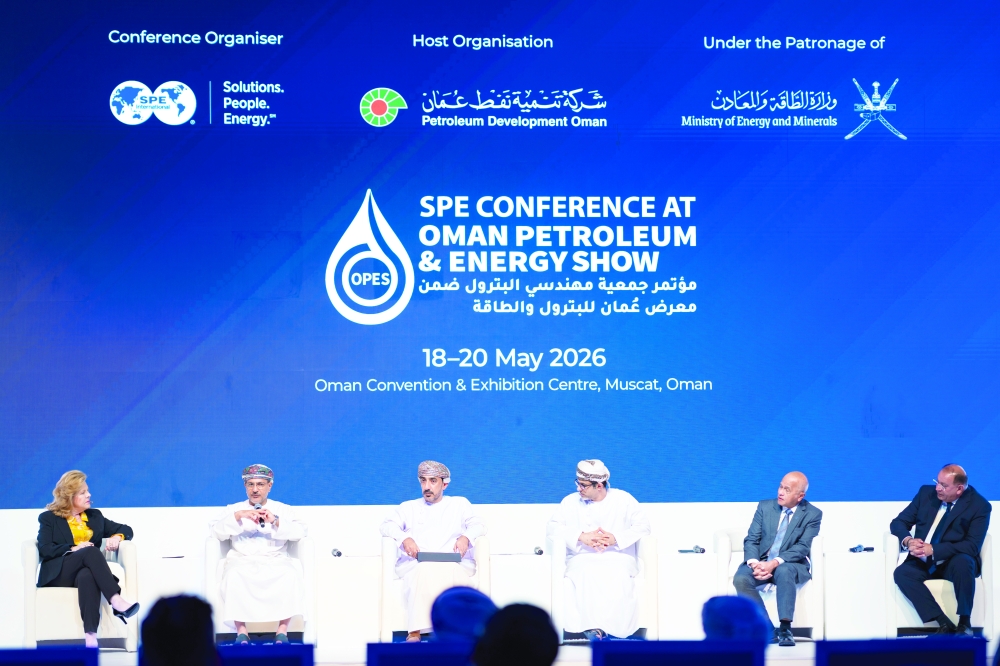
Corporate Social Responsibility (CSR) is an integration of activities that incorporate sustainability in economic, social and environmental dimensions. Recognizing the importance of CSR in today's business world is crucial for the successful pursuit of the Sustainable Development Goals. CSR provides an effective framework for achieving the triple bottom line of sustainable development, which is the economic, social and environmental well-being of the community.
CSR is playing an increasingly significant role in the implementation of Oman Vision 2040. Among other things, CSR activities are directed at creating innovative jobs and enhancing local skills through the development of effective CSR frameworks. One major limitation of traditional short-term CSR activities is the absence of a follow-up mechanism to assess the impact of the intervention on the community.
A positive aspect of CSR is its capacity to stimulate local economic growth. Businesses can improve the local economy through various means including investments in educational and vocational training facilities, and other community development projects.
The incorporation of CSR in the ICV framework opens an opportunity to further enhance the retention of economic benefits in the Sultanate. While ICV focuses on increasing the volume of local expenditure and employment, CSR addresses the remainder of the social needs of the community and improves the social welfare outcome.
STRENGTHENING HUMAN CAPITAL AND SOCIAL WELL-BEING
Investments in human capital contribute to CSR impact in another way. Promoting education, scholarships, and vocational and professional training, enhance the workforce and make it more competitive.
In Oman, the alignment of some CSR initiatives with the needs of the local labor market can help meet the workforce requirements of the industry and provide opportunities to the first generation Omani workers entering the labor market. More partnerships between different organizations can integrate vocational training and link education to employment.
On the other hand, investment in community health, social inclusion, and volunteering CSR initiatives foster quality of life, especially in the communities in which industrial activities are developed.
ENVIRONMENTAL RESPONSIBILITY AND SUSTAINABLE GROWTH
While the mandate of environmental sustainability is increasing in the context of CSR, the expectation is that companies decrease their environmental footprint. Improvements in their performance in the areas of energy and resource efficiency and the reduction of emissions must be ensured.
In Oman, to strengthen corporate environmental strategies, efforts can be focused on advancing the country’s priorities for sustainability and the environment including its goal of achieving net-zero emissions by 2050.
The implementation of circular economy initiatives and responsible consumption and production can improve the sustainability of companies and the society at large, and encourage environmental innovations.
MEASURING THE REAL IMPACT OF CSR
While investments in CSR activities are increasing, the challenge is in measuring the true impact as opposed to reporting expenditures and/or activities. Traditional CSR reporting is focused on the number of beneficiaries, the projects implemented, or the funds allocated. While these may appear to show the results of the work of a given organization, these do not always reflect social or economic improvement.
Companies should adopt impact measurement frameworks assessing outcomes including employment created, household income increases, SMEs, skills, and environment.
SRoI and other internationally known frameworks for sustainability can support organizations to assess the value created by their CSR investments.
THE WAY FORWARD FOR OMAN
To enhance CSR’s national contribution, Oman needs to foster better coordination among government entities, private sector, CSOs and the local community.
Setting CSR priorities and defining measurable performance indicators would help improve transparency and accountability, and address the duplication of initiatives.
In the end, CSR should not be assessed based on the money spent, but on the value created. Transforming CSR from charitable spending to strategic investments has the potential to create lasting economic, social, and environmental value and help achieve the goals of Oman Vision 2040.
Oman Observer is now on the WhatsApp channel. Click here