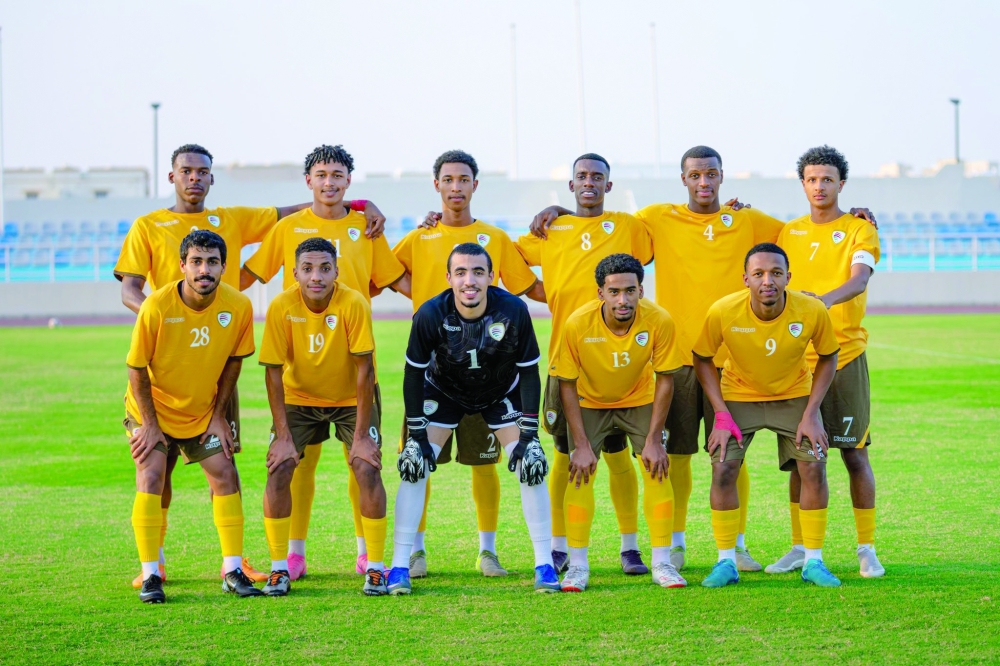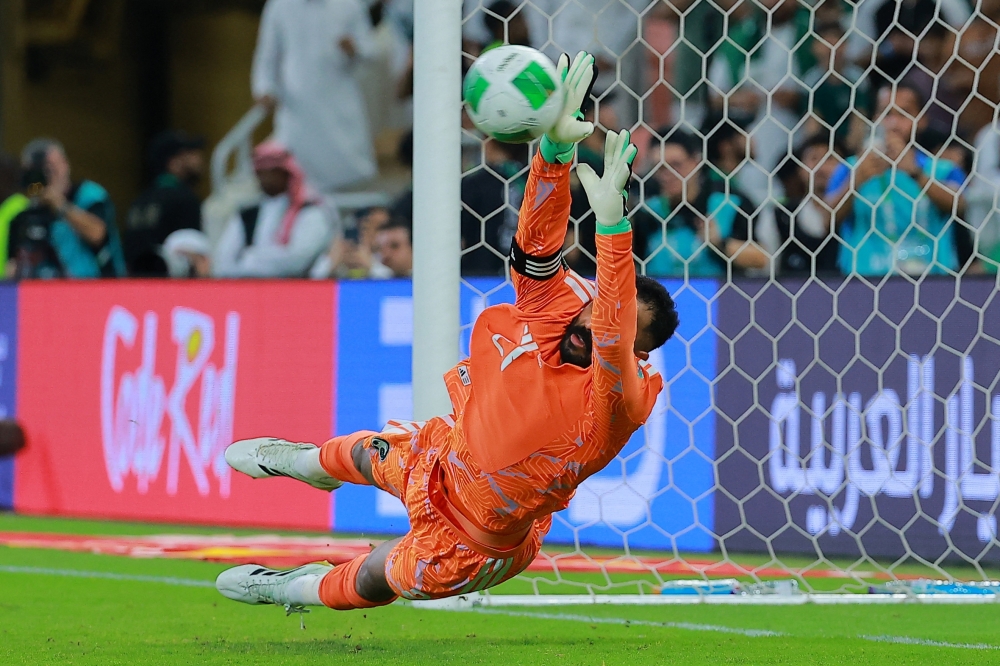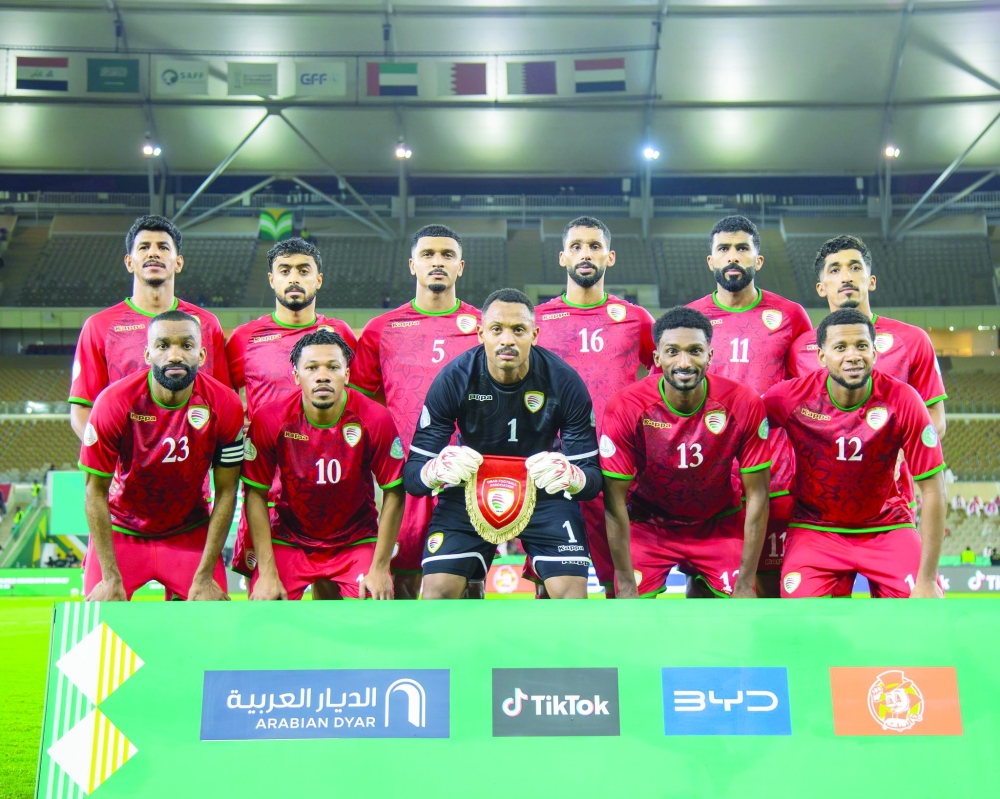





MUSCAT: With less than three months remaining before the AFC Asian Cup Saudi Arabia 2027, Oman's national football team must utilise every available preparation opportunity to address its weaknesses, strengthen its tactical identity and improve its competitive readiness, according to a number of Omani coaches. The continental tournament from January 7 to February 5, 2027, will give head coach Tarik Sektioui and his technical staff a limited period to prepare the team while most players remain committed to their respective clubs during a demanding domestic season. Oman's recent participation in the Gulf Cup 27 in Jeddah has provided valuable lessons, but the team's performances have also raised questions about defensive organisation, concentration, transitions and its ability to cope with opponents' pressing.
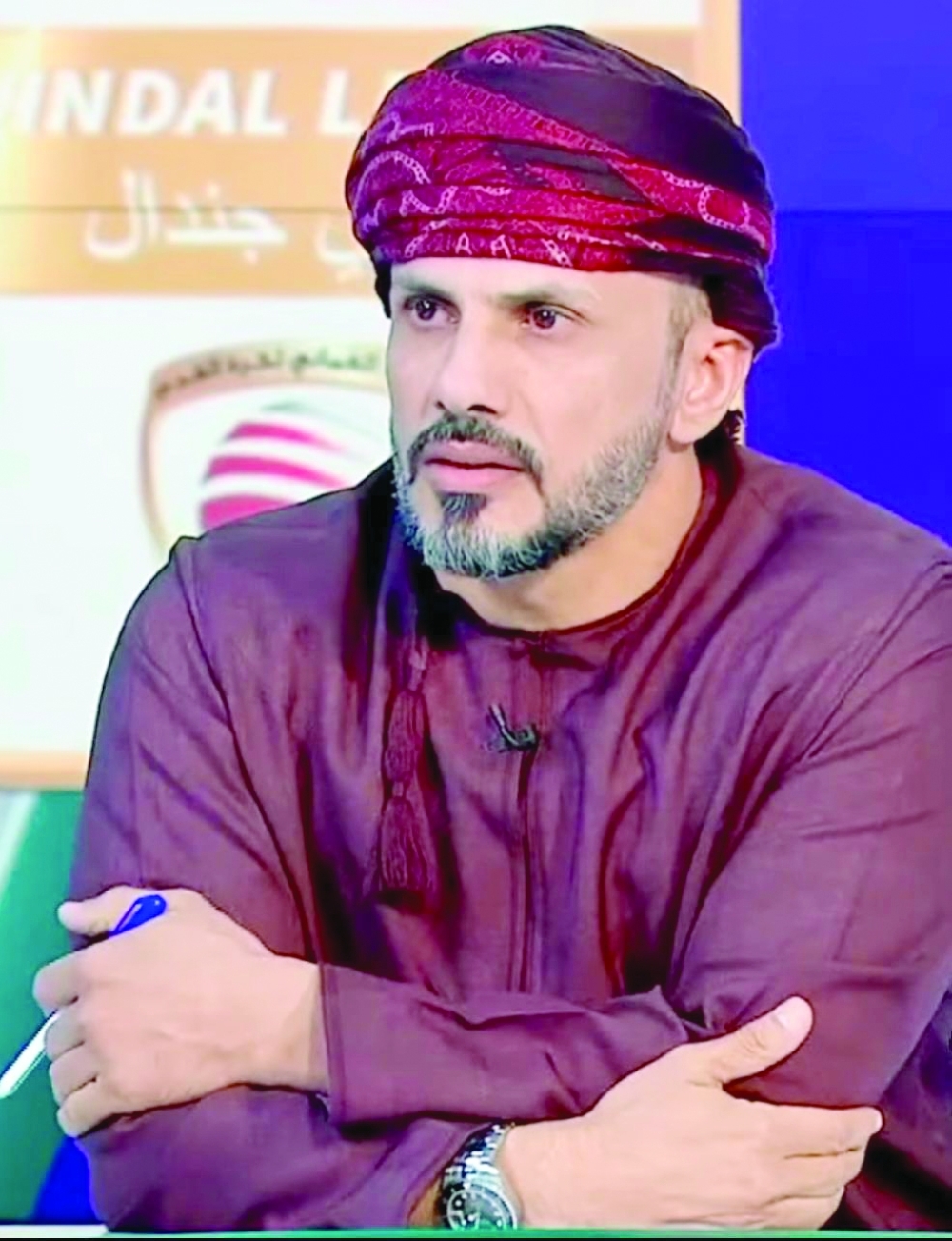
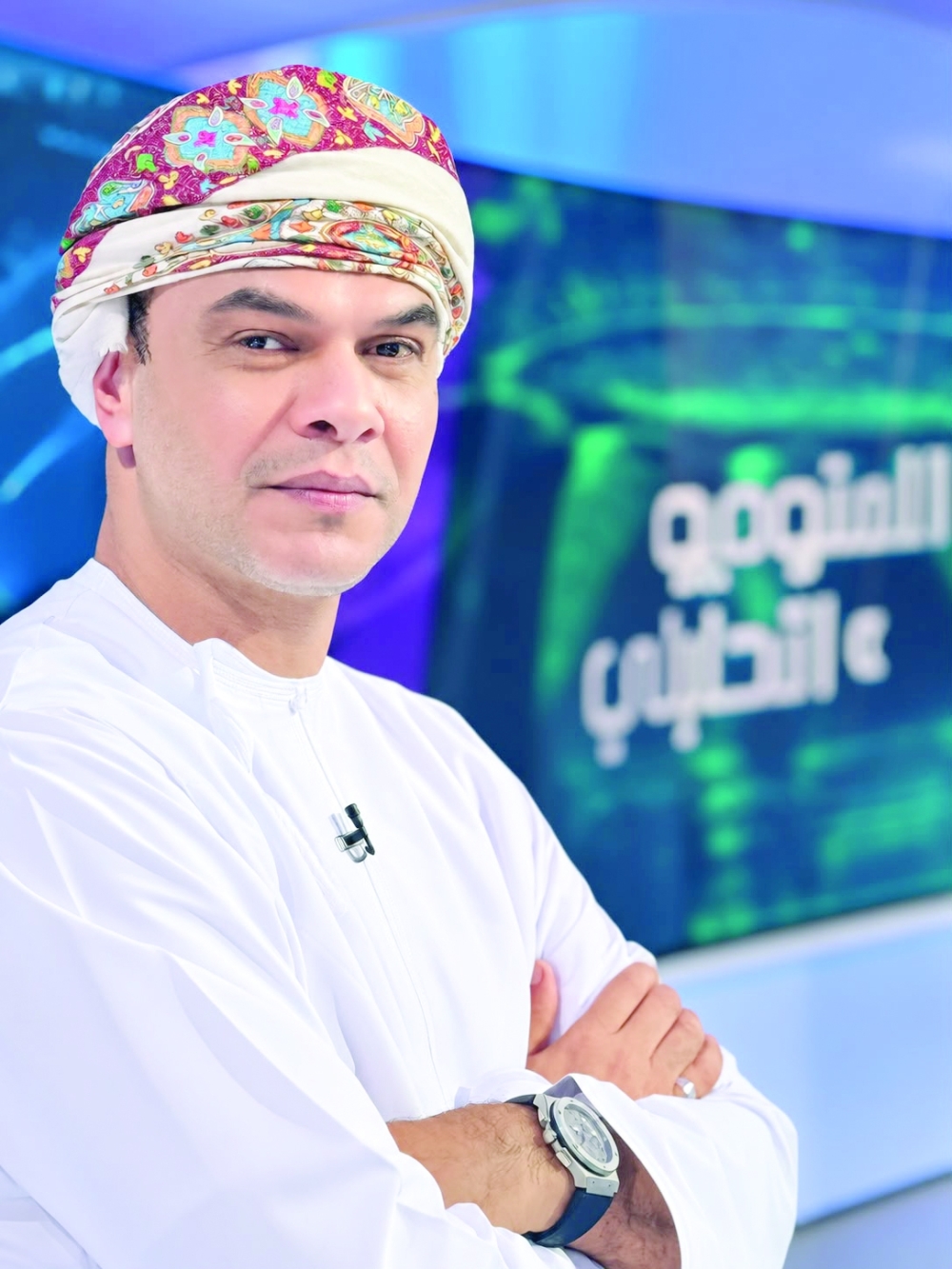
Omani coach Nasser al Rajhi believes the priority should be to establish a clear playing identity, maintain stability in the team's core structure and focus on a manageable set of tactical principles rather than introduce too many changes in a short period. "With the limited time remaining before the Asian Cup and the pressure of the domestic schedule, the technical preparation must focus on clear priorities. There is little time for major changes, so the team should build on the existing work and develop it gradually," Al Rajhi said.
ORGANISED DEFENCE A PRIORITY
Al Rajhi identified defensive organisation as one of the most important areas that require attention, highlighting positioning, the distances between lines, defending set-pieces and the transition from attack to defence. He also called for improvements in Oman's attacking transitions, particularly the ability to exploit the moments immediately after winning possession. "Quick decision-making and the quality of the first pass are very important, especially against teams that press aggressively or commit many players forward," he said.
Against opponents that defend in compact formations, Al Rajhi believes Oman must develop a wider range of attacking solutions, including combinations between the lines, effective use of the flanks, shots from distance and set-piece opportunities. He added that friendly matches should be selected according to the team's technical needs rather than results alone.
"The most important factor with limited time is not to distract the players with too many ideas. The focus should be on a clear set of principles and making the best possible use of every training camp and friendly match," he added.
IMPROVEMENT FROM GULF CUP
National coach Mohammed Ismail al Zaabi offered a more critical assessment of Oman's recent performances, arguing that the Gulf Cup had exposed shortcomings in teamwork, defensive concentration and the team's response to opponents' attacking pressure. He said the tournament had nevertheless provided the technical staff with a valuable opportunity to assess the players, understand their capabilities and identify more effective approaches to attacking and defending. "The national team did not deliver the required performance. There was a lack of effective teamwork, and the team's overall performance did not reflect the level expected," Al Zaabi said.
"However, the participation was useful because it allowed the coach to assess the players more closely, understand their strengths and weaknesses, and identify the best ways to organise the team in attack and defence."
Al Zaabi identified crosses and aerial deliveries as a significant weakness, saying Oman had conceded five goals from lack of concentration from the opening whistle and needed to improve defensive readiness. He also highlighted that Oman's difficulties against high-pressing opponents were another area of concern. "These are areas that require real work. We need to learn from the weaknesses exposed during the Gulf Cup, improve the team's organisation and develop a clearer identity under the head coach," he said.
Al Zaabi added that while the coaching staff had gained a better understanding of the squad during the Gulf Cup, the Asian Cup would present a different level of challenge. Familiarity with regional opponents such as Saudi Arabia and Kuwait could be useful, but Oman would need to be prepared for a broader range of playing styles at the continental finals.
EFFICIENT PREPARATION
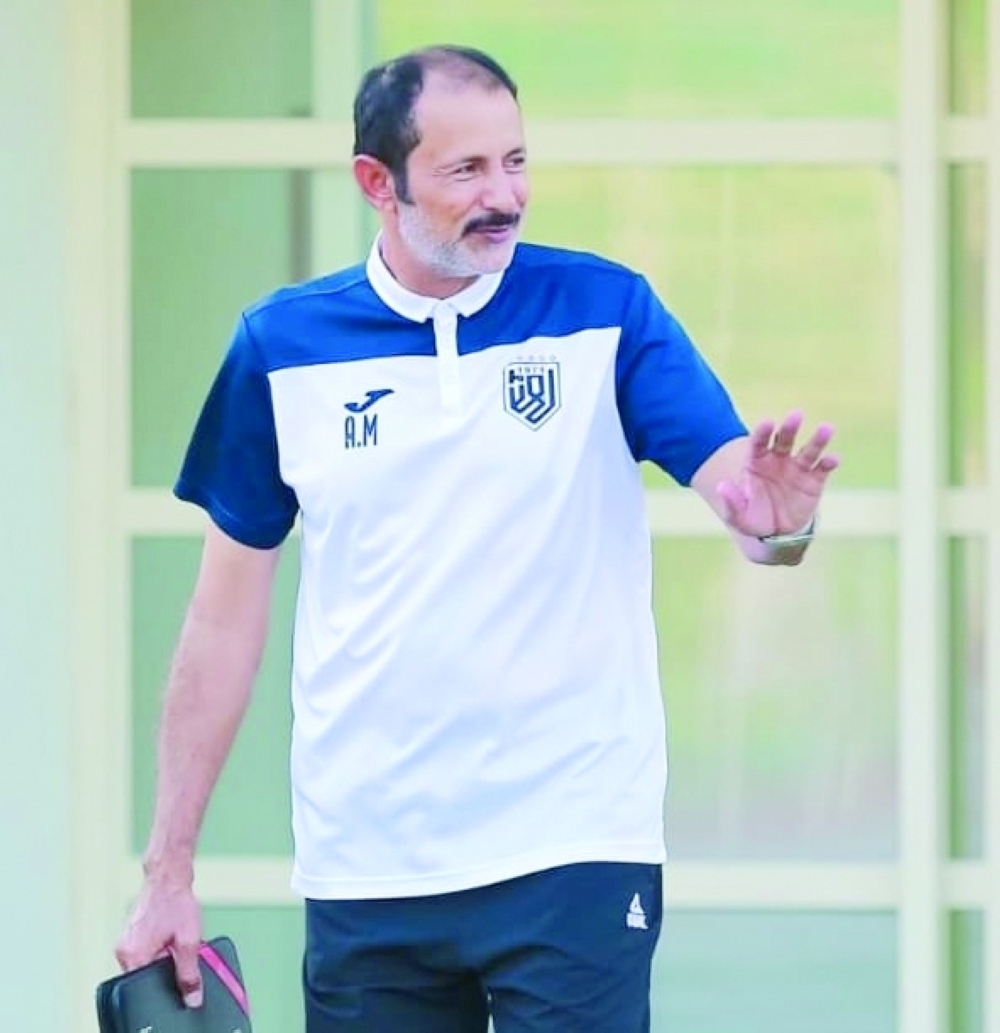
Experienced national coach Abdulaziz al Riyami believes Oman's preparation should be built around efficiency and targeted training, given the limited time available and the physical demands placed on players throughout the season. He identified physical recovery, tactical cohesion, video analysis and psychological preparation as key pillars of the programme. With players continuing to represent their clubs, Al Riyami said careful management of training loads and the use of effective recovery programmes would be essential to reduce fatigue and injury risks. The objective, he explained, is to ensure players arrive at the tournament in balanced physical and mental condition. He also called for the coaching staff to use short training camps to reinforce a clear tactical philosophy rather than introduce complex systems that require lengthy preparation.
"With limited preparation time, the focus should be on establishing a clear tactical approach, strengthening defensive organisation and improving transitions from defence to attack and vice versa," Al Riyami said.
Al Riyami also recommended greater use of video analysis and digital tools to explain individual responsibilities, team shape and opponents' strengths and weaknesses. This approach, he said, could accelerate players' understanding of the coach's ideas without placing excessive physical demands on training sessions.
Oman Observer is now on the WhatsApp channel. Click here