




There is dust in Helen Keiser’s Oman. It settles on the mud walls, softens the edges of watchtowers and hangs above roads that seem to lead into nothing. The mountains around Muscat look hard and bare, the towns feel handmade, and the sea at Sur appears to carry stories older than the camera itself. Yet her photographs are not empty. Children gather, girls dance, shepherds work and people meet her gaze with a calm that makes these old images feel strangely close.
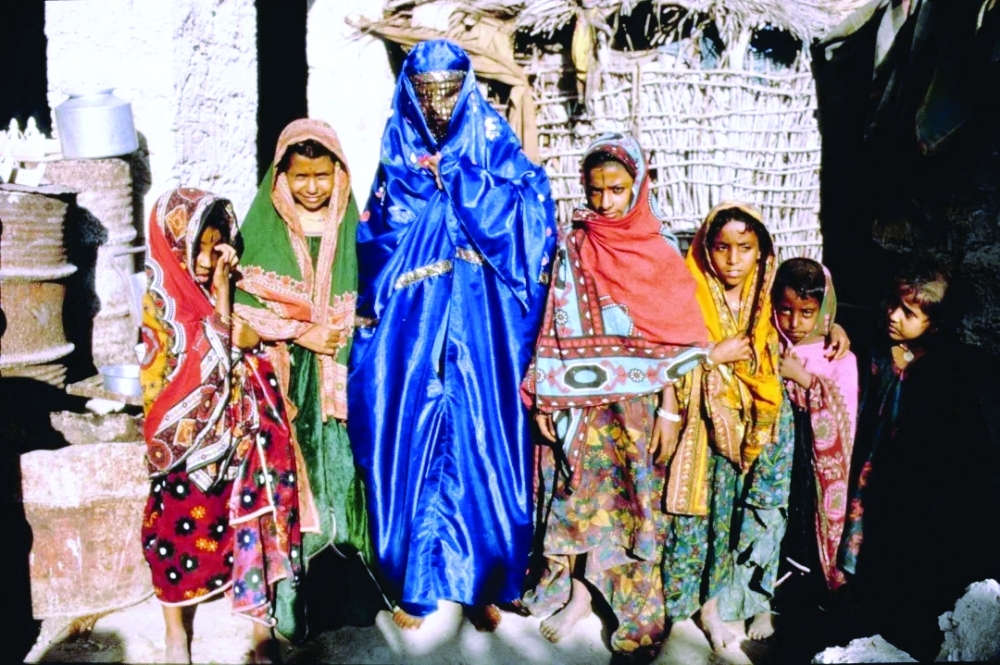
This is raw Oman, not in the polished way the phrase is used today, but as Keiser found it: unvarnished, lived-in and still moving at the pace of feet, animals, boats and conversation.
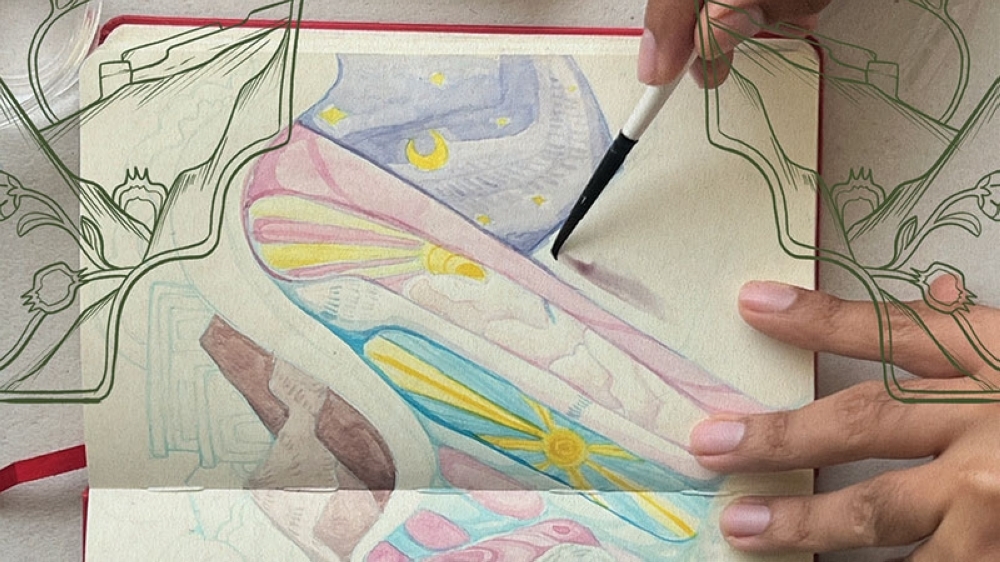
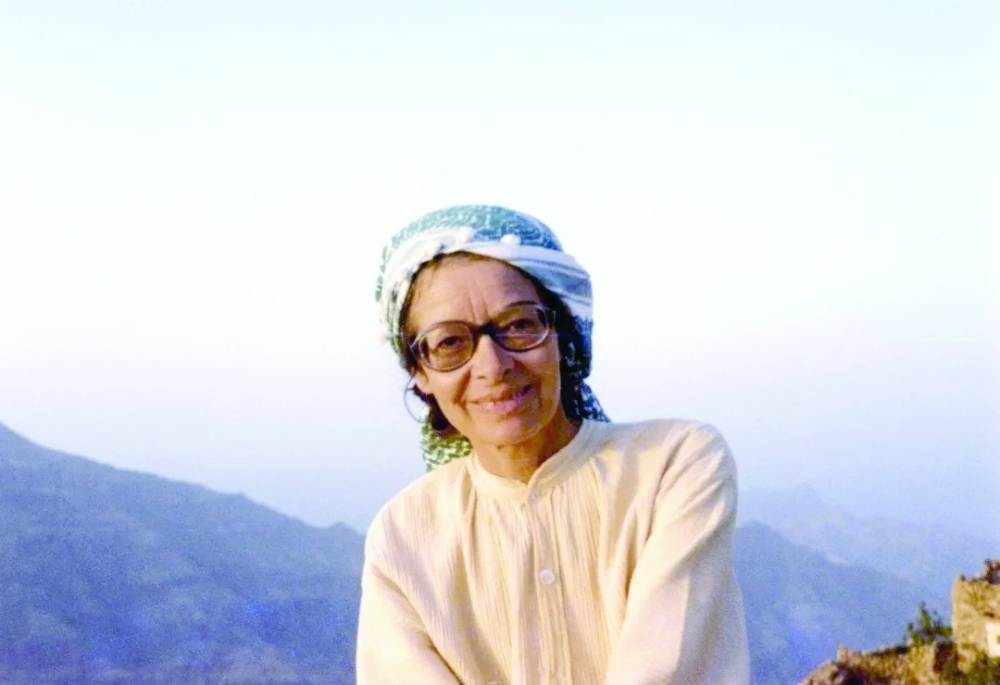
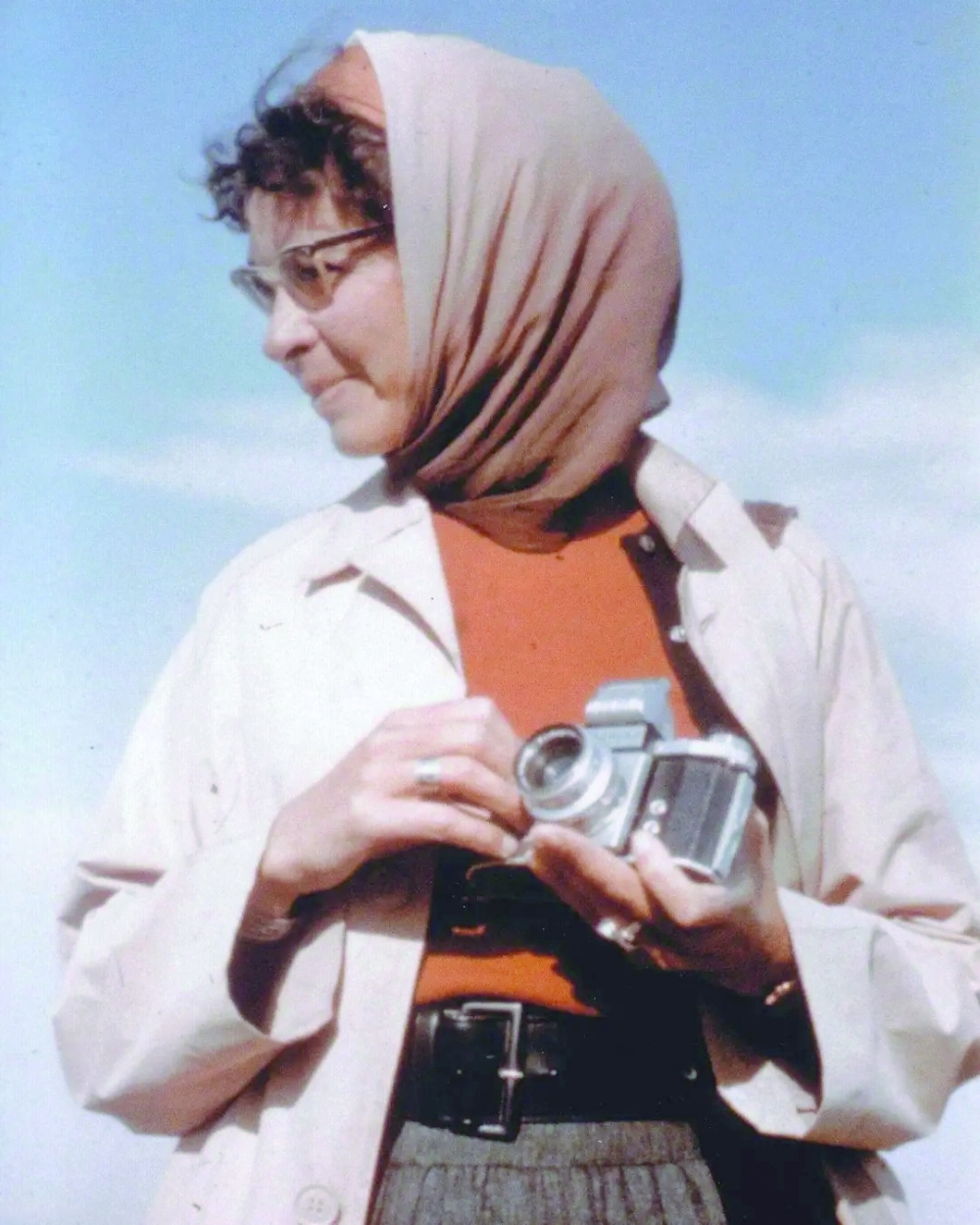
Born in Zug in 1926, Keiser was a Swiss writer, painter and photographer who became one of her country’s most knowledgeable observers of the Arab world. Over four decades, she made more than 50 journeys in the Middle East, often alone and for months at a time. She learnt Arabic, studied archaeology and carried a camera, notebooks, drawing paper and watercolours.
Although Helen has long since passed away, her memories are kept alive by Tanja Shmid, who manages her social media accounts. On Instagram, the @helen.keiser account has begun to attract a growing following.
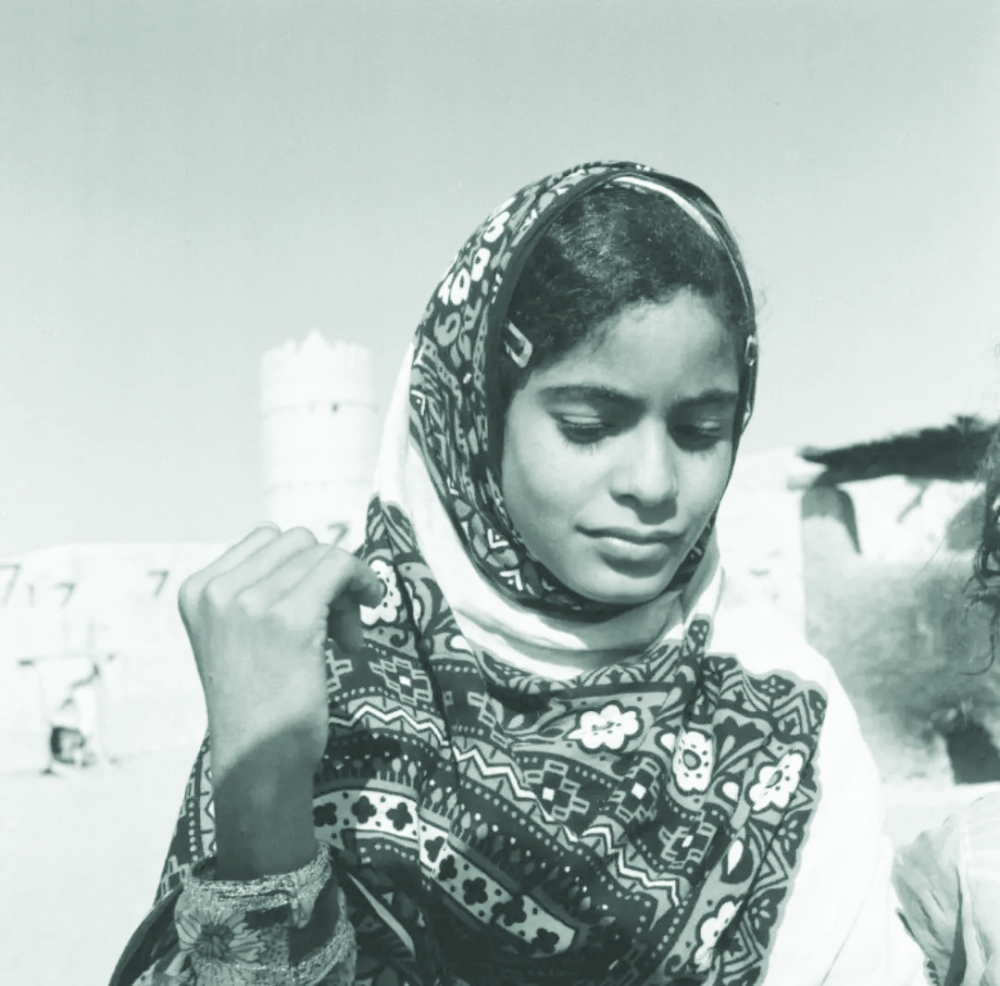
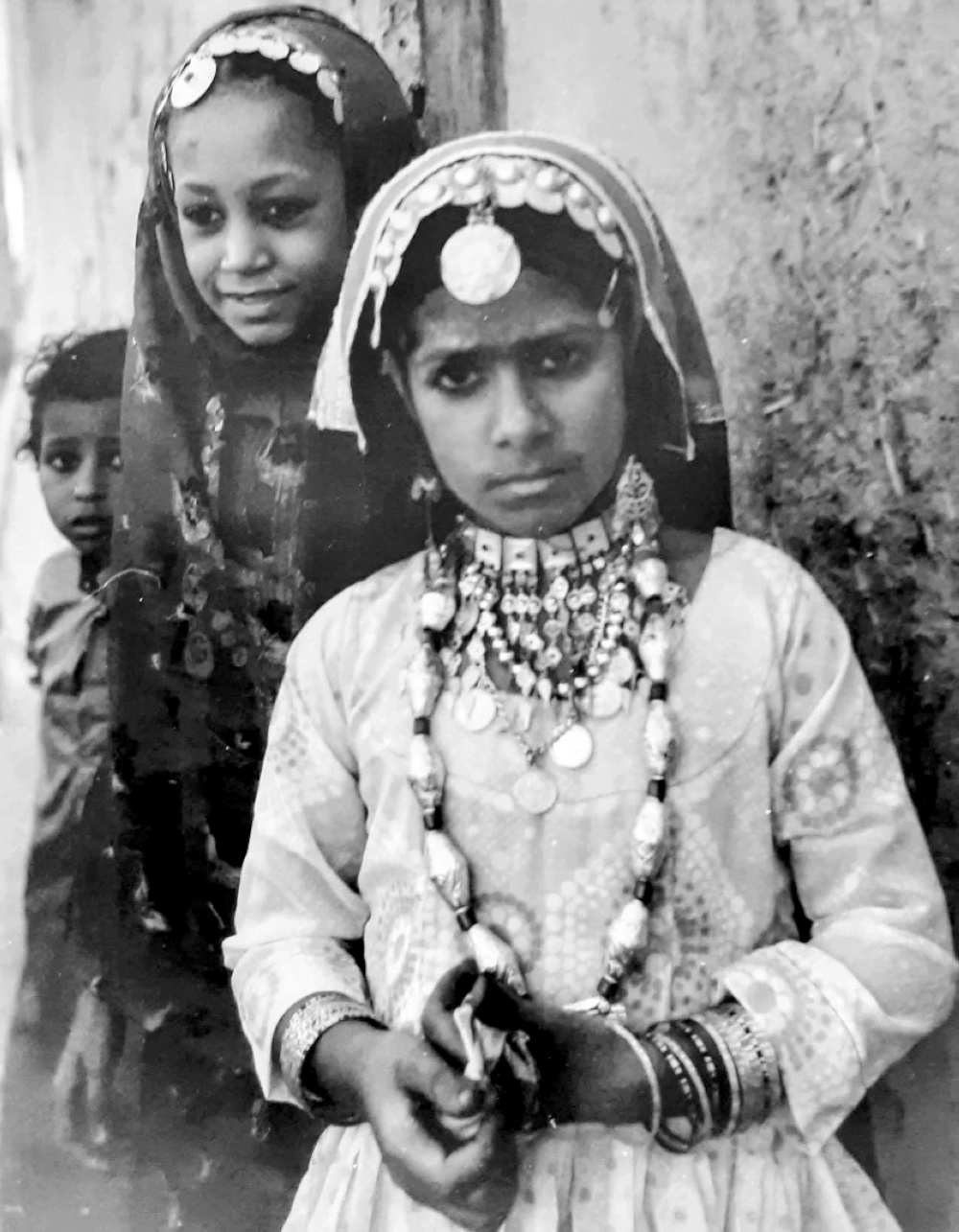
As Shmid explained, "Helen Keiser travelled to Oman in 1964, 1972, 1976 and 1979. She travelled alone throughout the country, wrote, photographed and drew”.
Shmid added that Keiser’s reports and photographs appeared in respected newspapers and magazines, while her work found a longer life in books: Arabia in 1971; Search for Sinbad: Frankincense Land Oman and the Ancient South Arabian Cultures in 1979; and the photographic volume Salaam: Arabia in 2002. For years, she also took her slide lectures about Arab countries, ethnology and the ancient Orient beyond Switzerland.
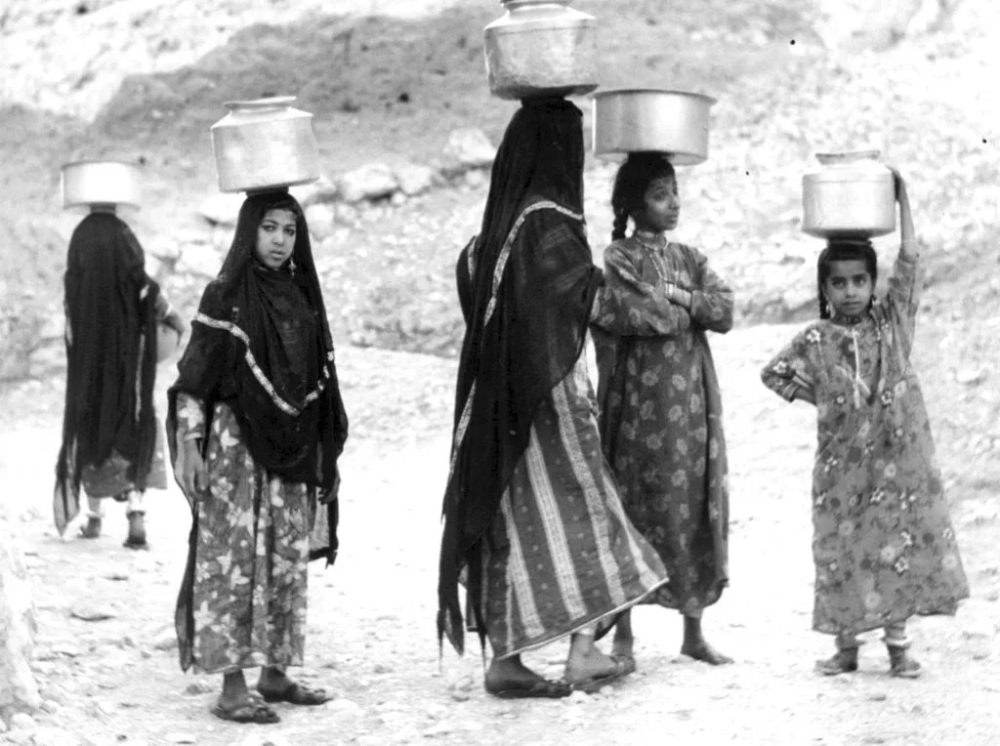
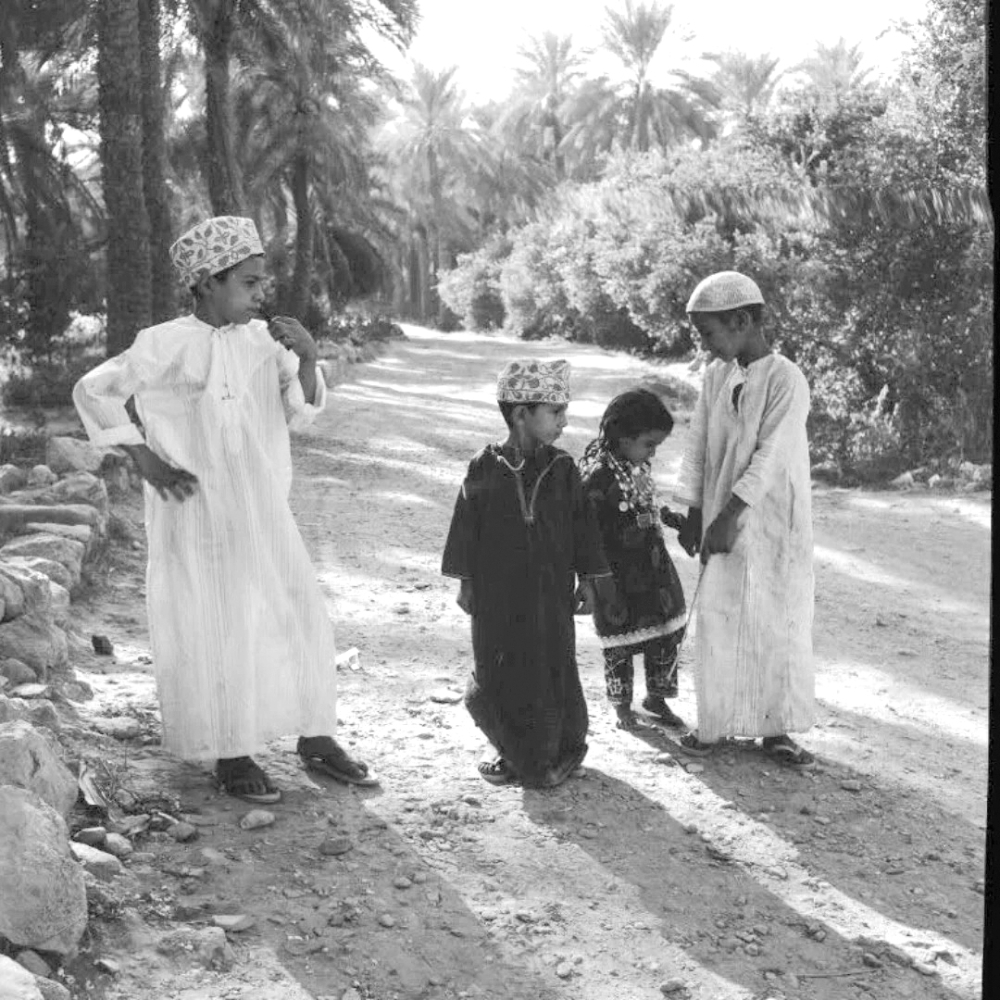
To scroll through the public archive now is to walk beside her. In Muscat in 1964, she looked across a natural harbour enclosed by rock, with two Portuguese-period forts standing guard. It is recognisable, yet startlingly open: sea, stone and a settlement tucked between them.
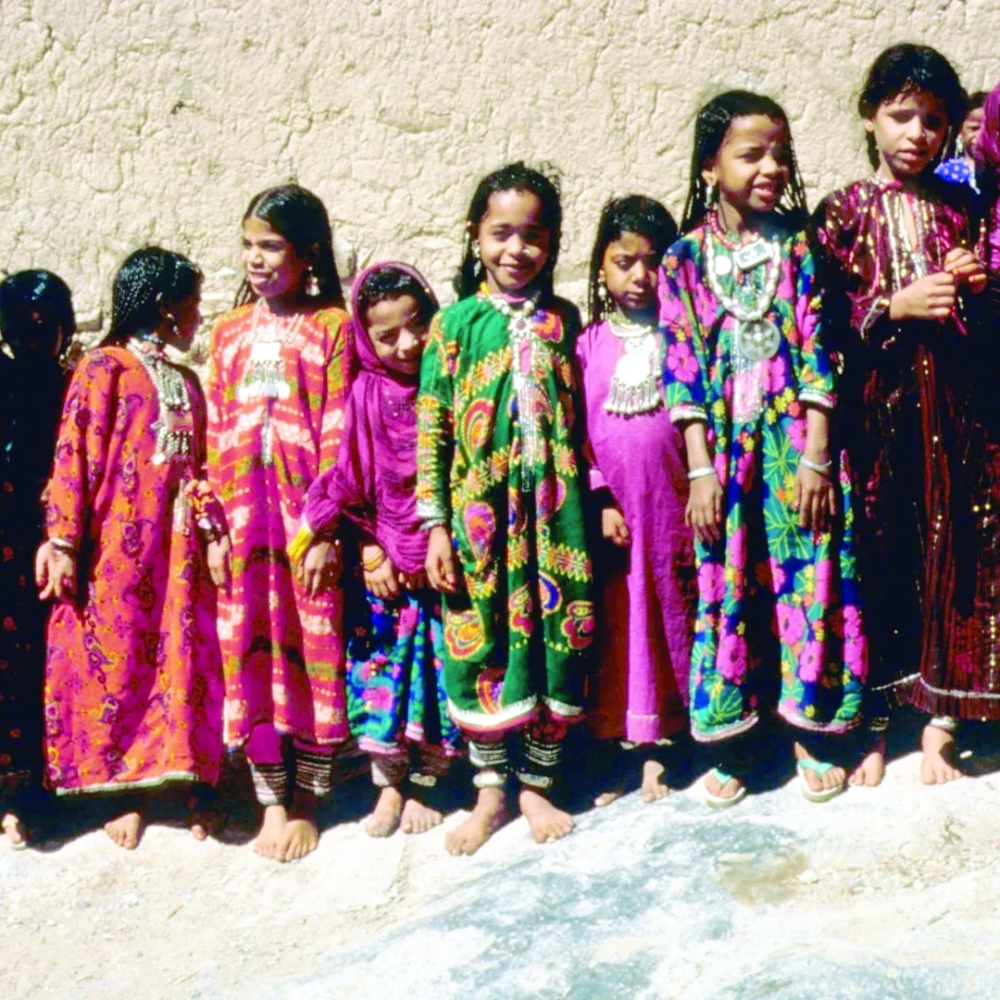
In Al Khabourah that same year, her lens found children during the end-of-Ramadhan celebration. This is where Keiser’s work becomes more than a record of buildings. She moved closer to everyday life. The people are not decoration added to a landscape; they are the story.
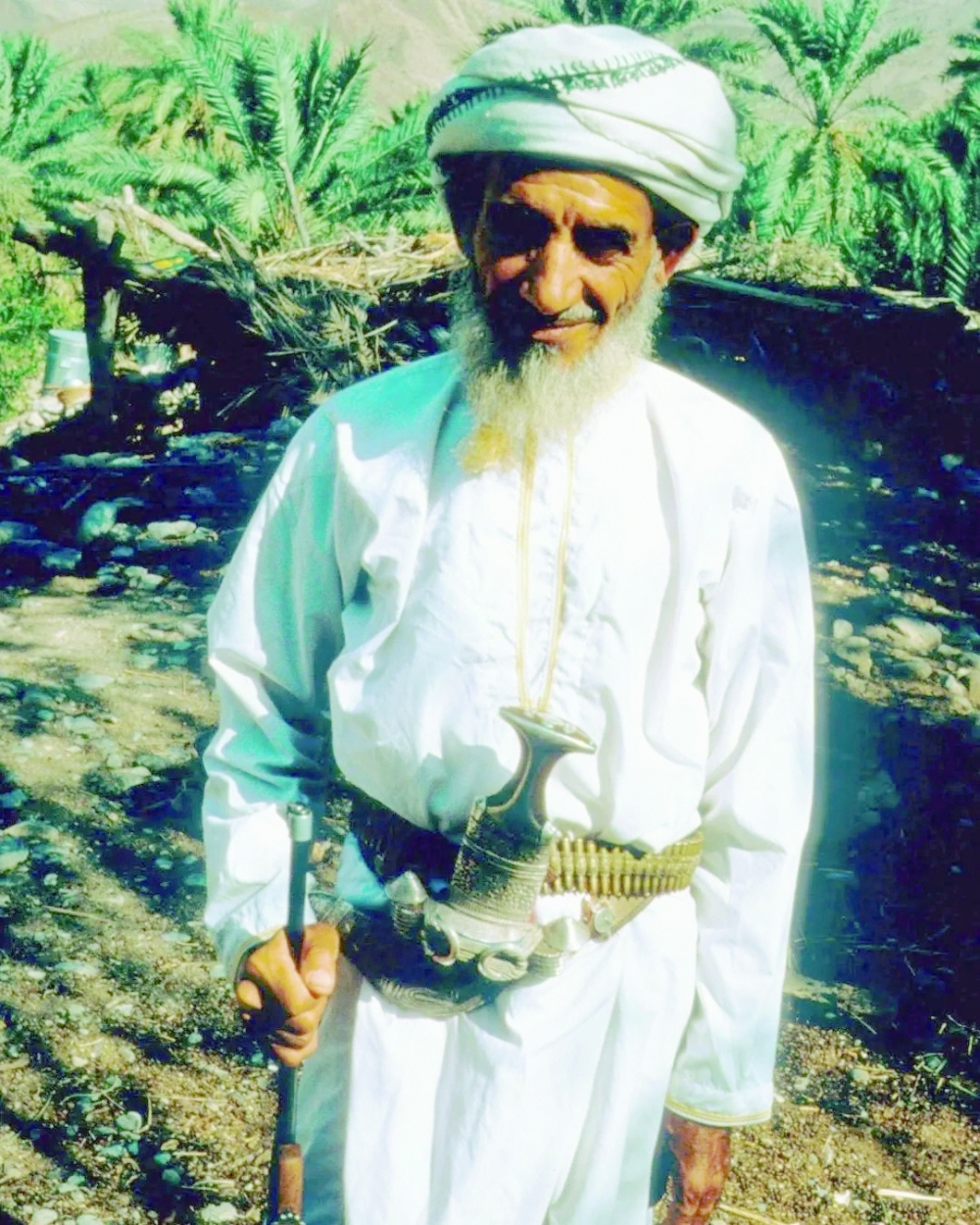
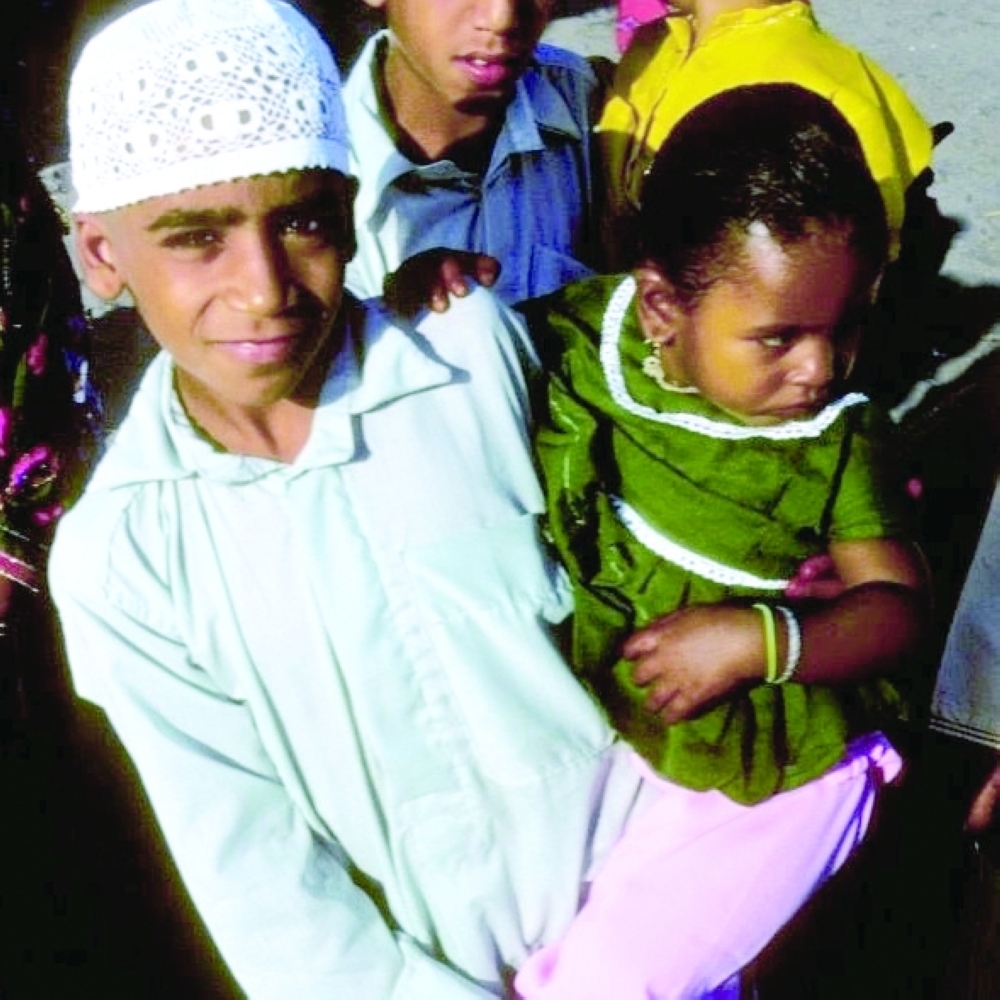
By 1972, she was photographing the great wooden doors of Nizwa: heavy, patterned and built to outlive their owners. By 1976, her route widened into a wonderfully human map. Bahla appears as an old oasis town gathered around its immense earthen fort. Another image observes girls and boys in long skirts. In Ibri, the souq is not a heritage reconstruction but a working place. In Al Kamil W'al Wafi, a young woman faces the camera, while a great mud-built watchtower recalls an age when settled communities and Bedouin groups lived with the possibility of conflict.
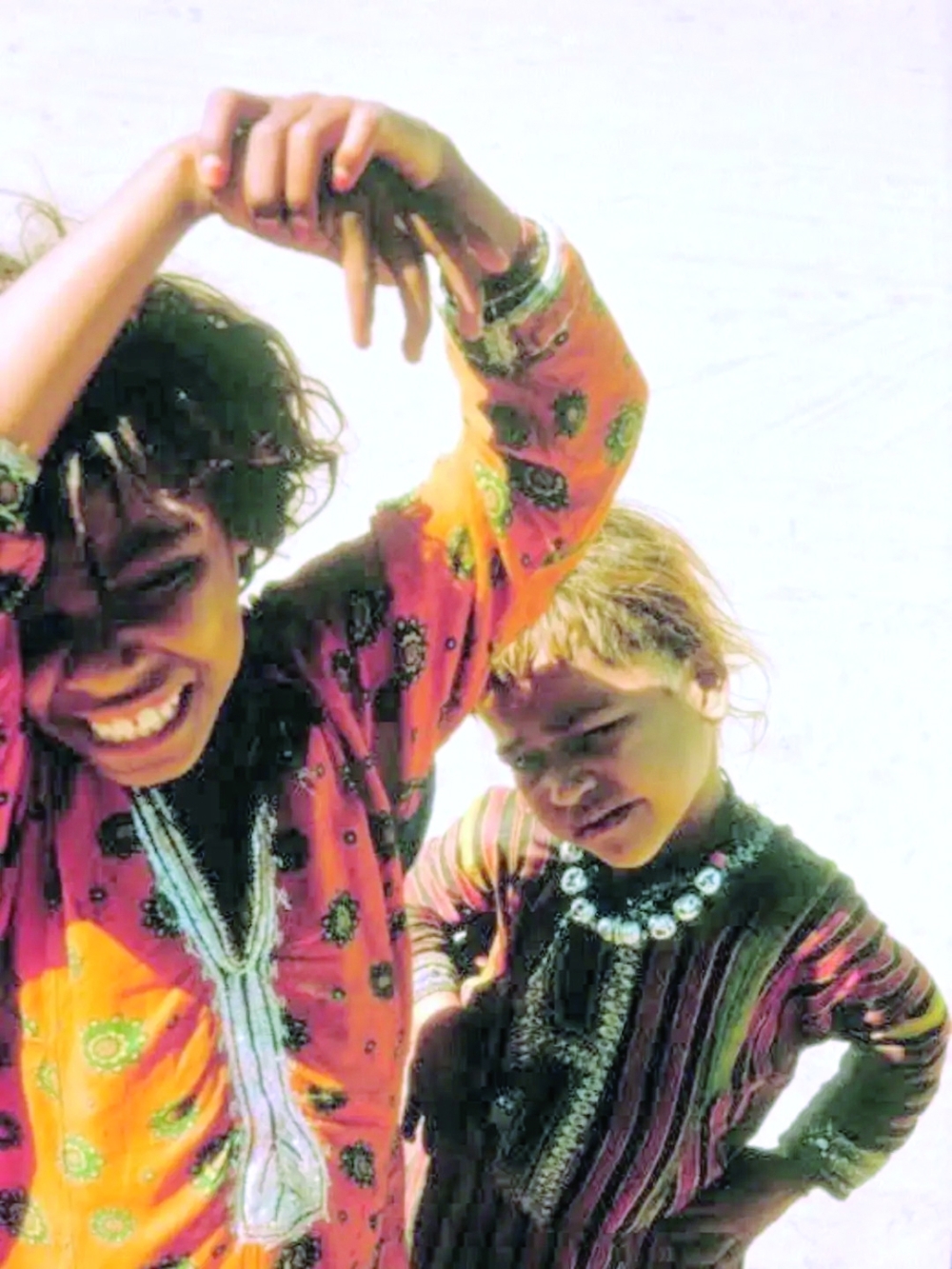
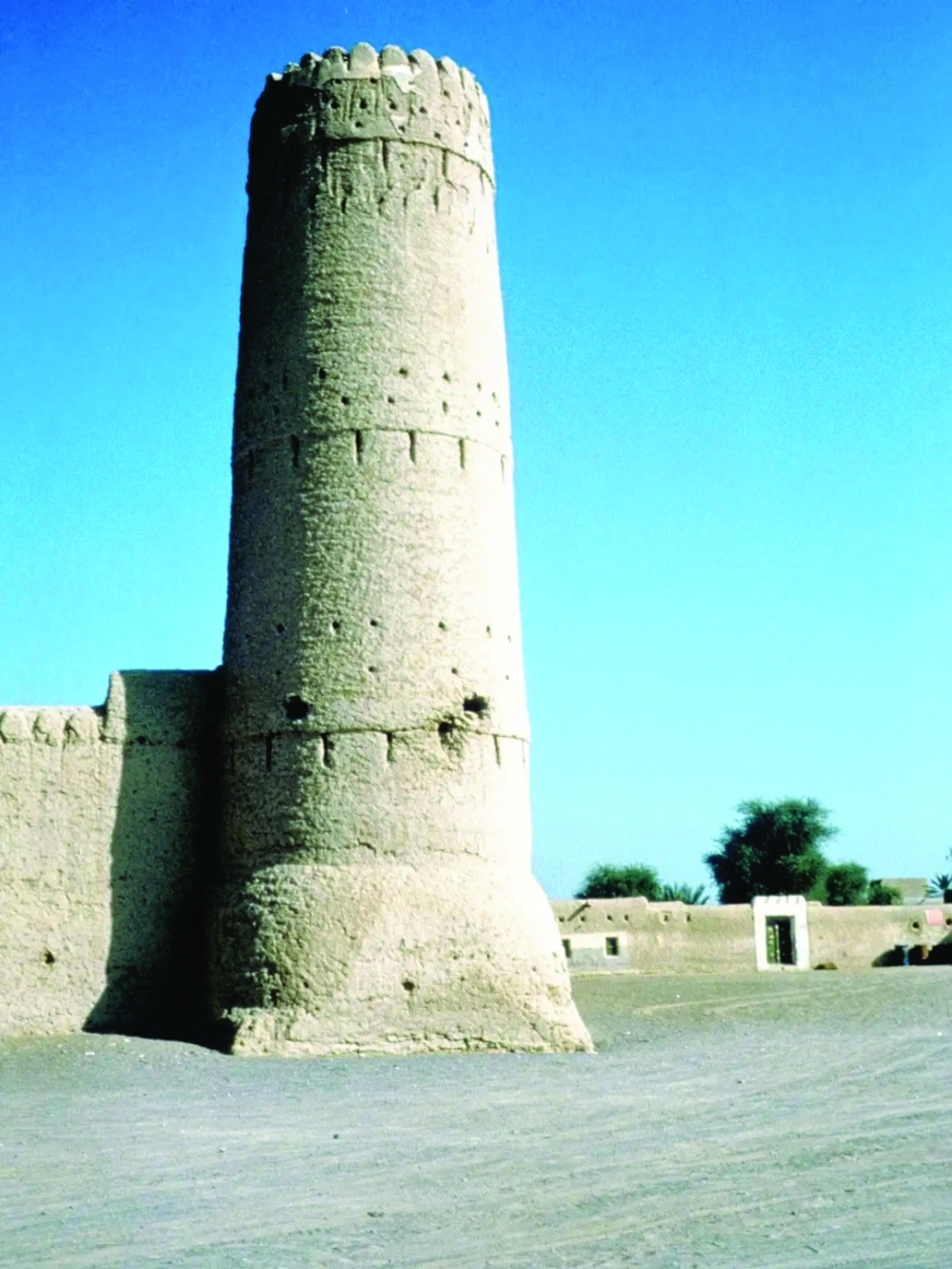
Then the road reaches the coast. A shepherd stands in Wadi Tiwi. At Sur, wooden boats take shape in a shipyard where the Indian Ocean is not scenery but livelihood, memory and route. Farther south, Salalah changes the mood. A young Omani woman appears in festive dress; in another photograph, two girls dance in bright clothes and silver jewellery. The pictures carry movement even when the frame is still.
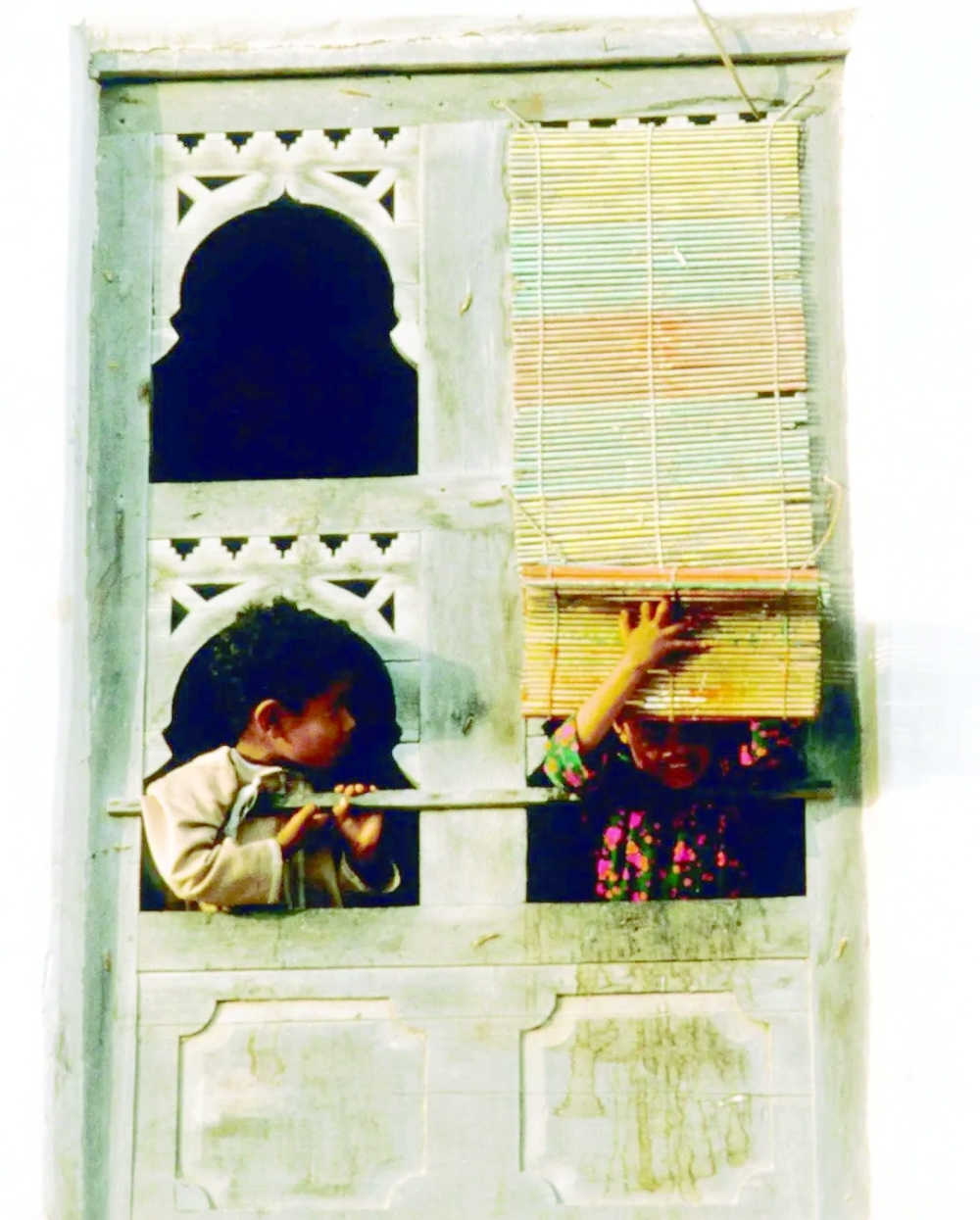
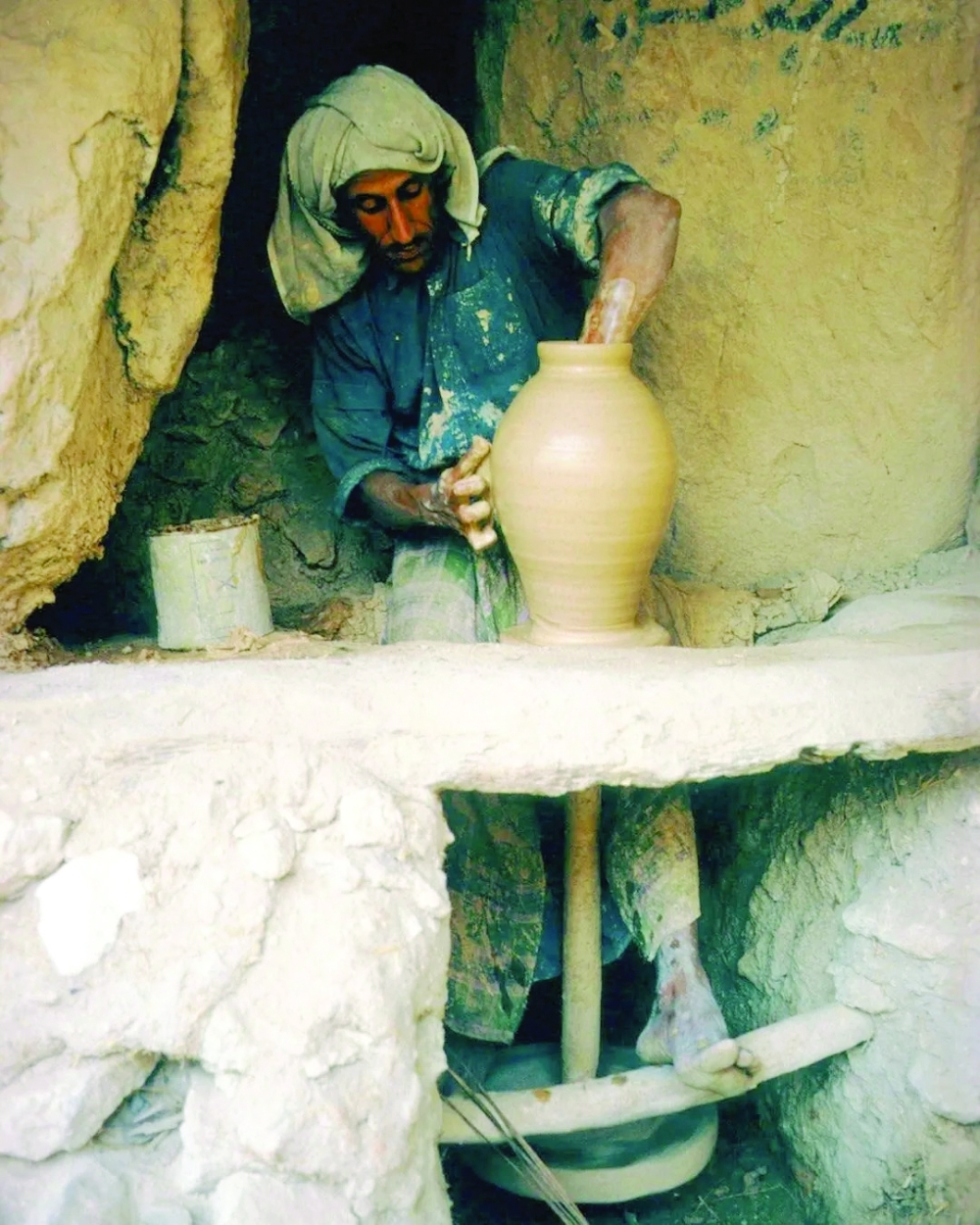
What makes Keiser’s Oman moving is not simply that it looks old. Nostalgia becomes dangerous when it turns hardship into romance or treats a living country as something that should have remained untouched. Her images hold both truths: something precious was preserved, and life also needed to change.
Her four visits crossed an extraordinary threshold. She first arrived in 1964, six years before the modern Renaissance began in 1970. When she returned in 1972, 1976 and 1979, roads, schools and public institutions were spreading. The Oman she photographed was already becoming another Oman. Her camera caught the hinge of history.
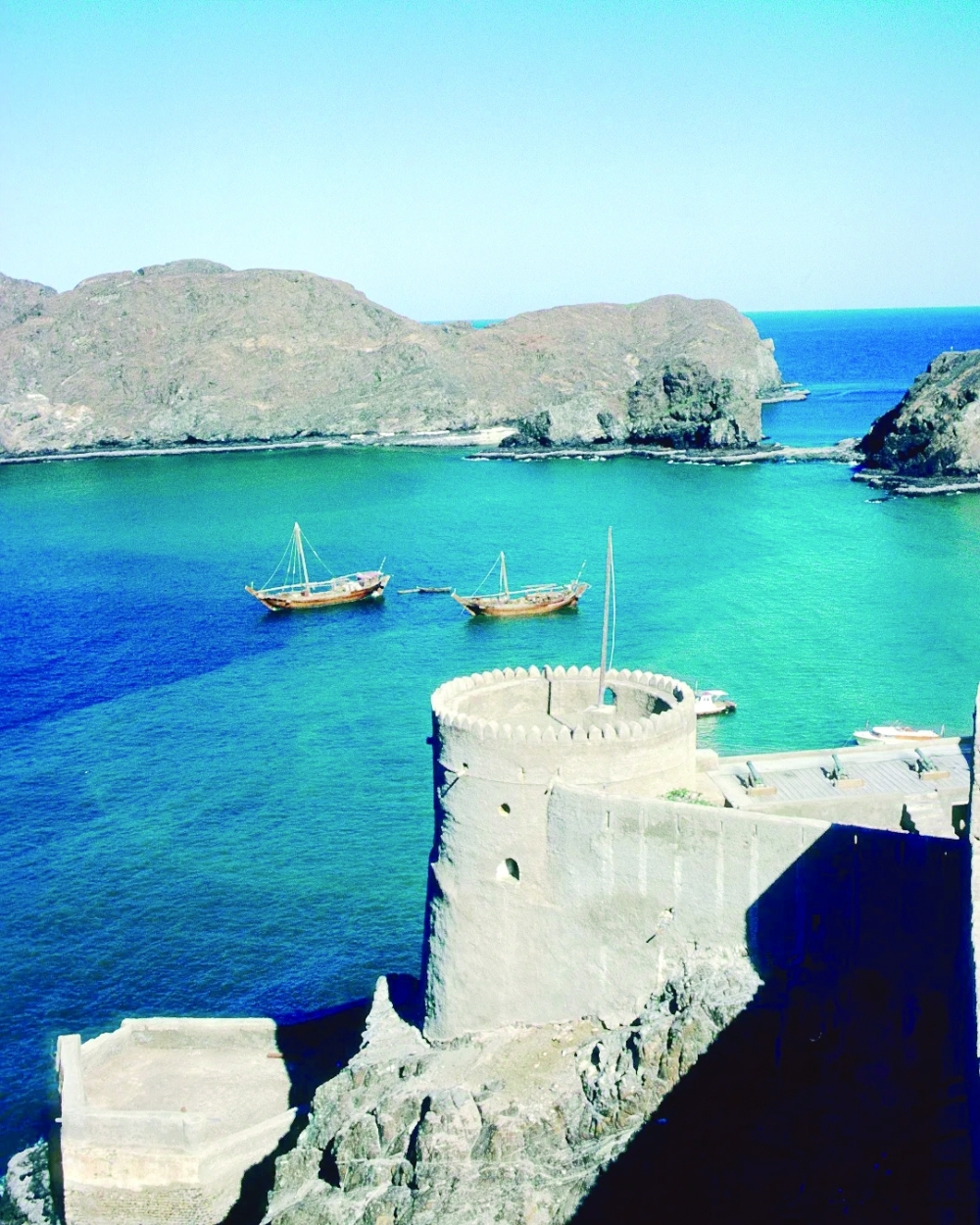
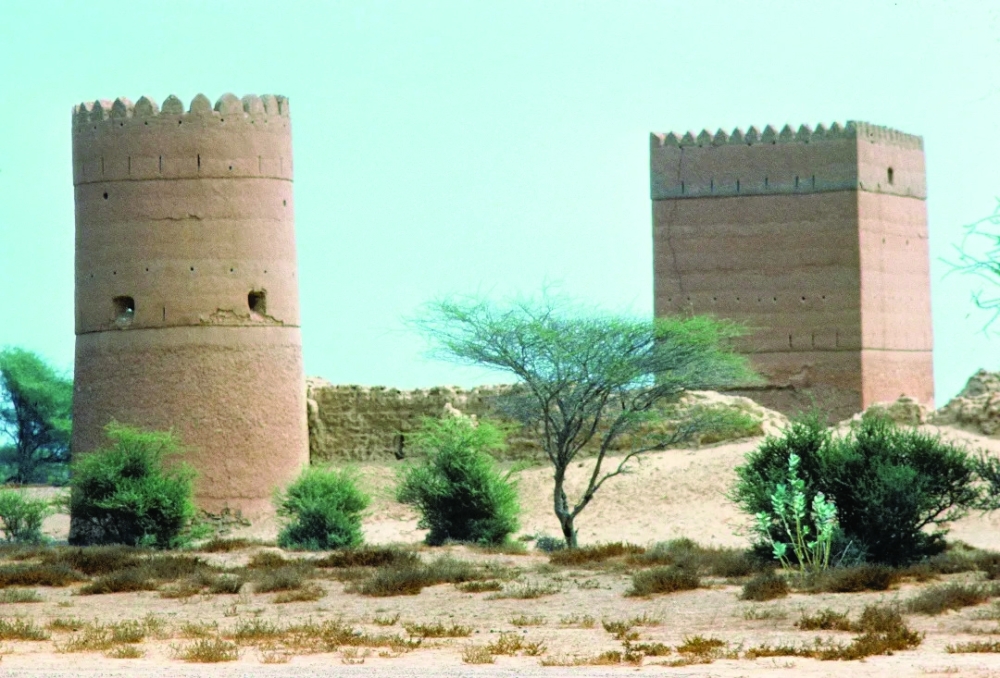
If Keiser could return in 2026, perhaps Muscat’s highways, airports and illuminated waterfront would leave her momentarily speechless. She might search for the quiet harbour beneath the city and compare restored forts with the mud walls she saw weathering in the sun. She would find travellers crossing in hours distances that once demanded patience and courage.
But I suspect she would eventually look away from the skyline. She would turn towards an old door in Nizwa, the hands of a boatbuilder in Sur, the silver worn at a celebration in Salalah.
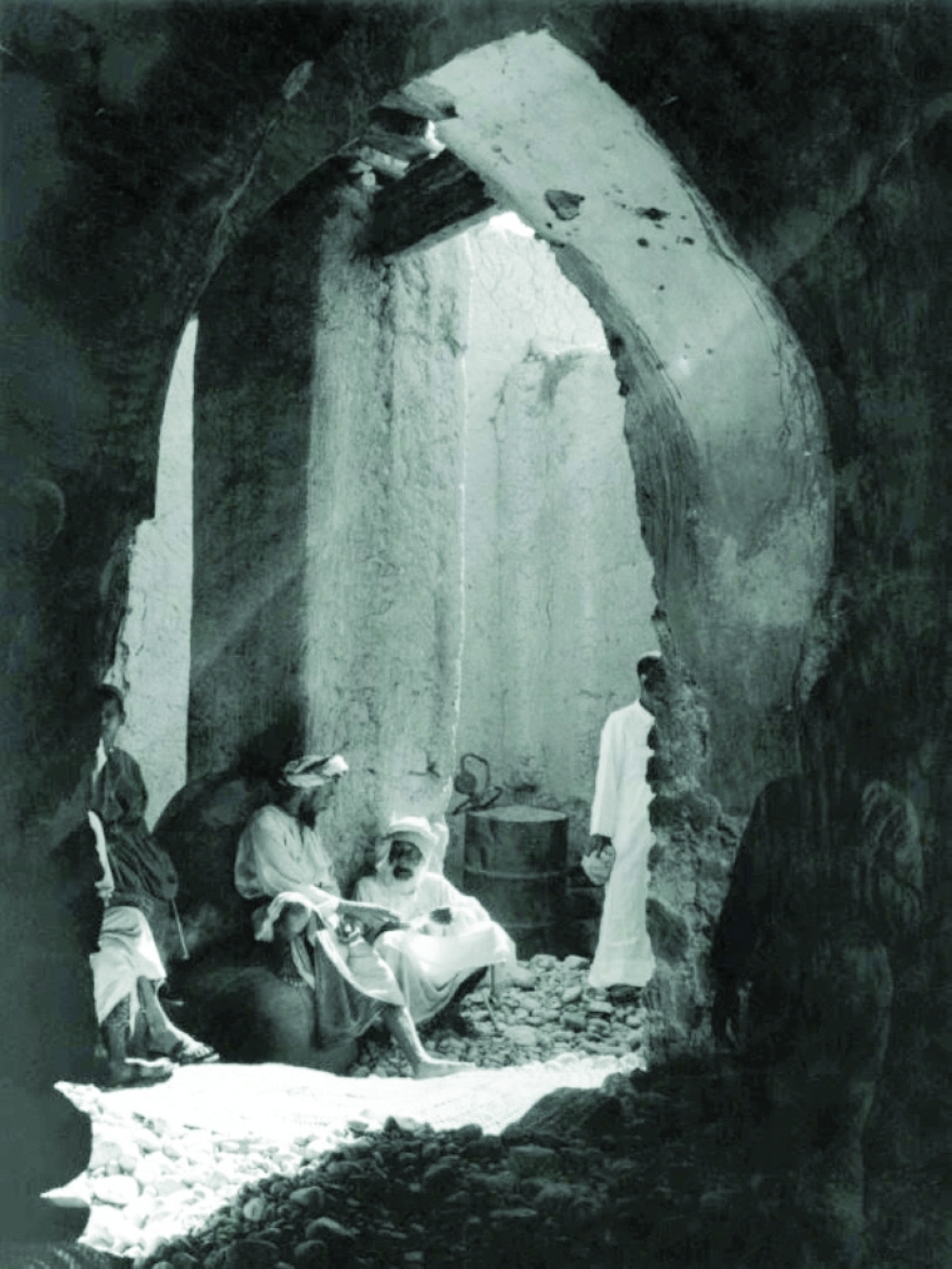
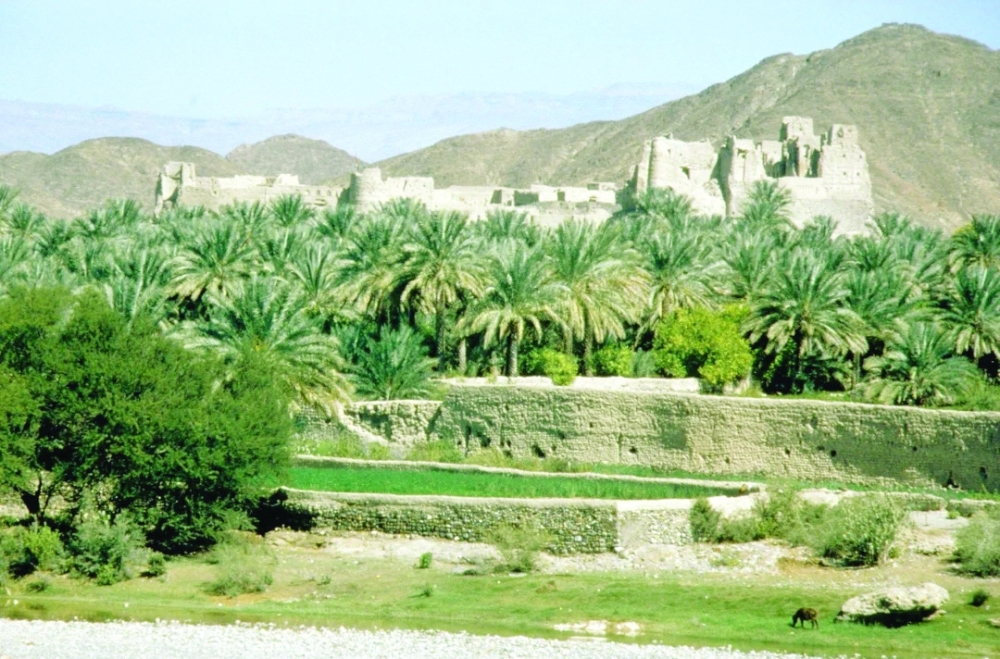
Growth would astonish her, but continuity might move her more. Oman has travelled a long way since Helen Keiser walked through it alone. Her photographs remind us that beneath the speed and polish of 2026, the older country has not entirely disappeared. It is still there: in craft, gesture, hospitality and the stories people keep.
Oman Observer is now on the WhatsApp channel. Click here