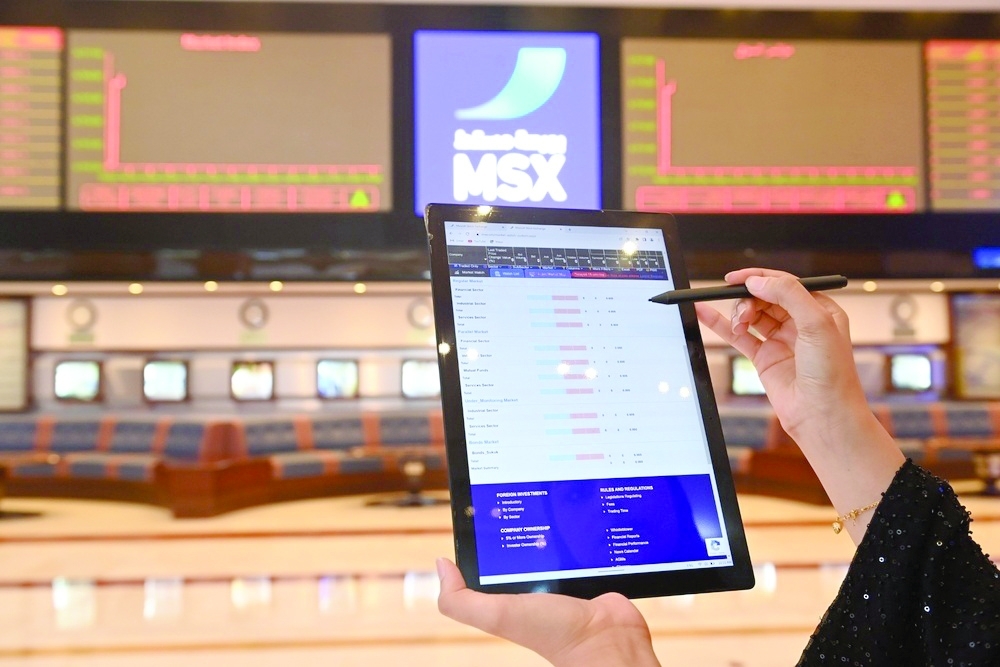
In collaboration with the Muscat Stock Exchange (MSX), Crowe Oman published its second annual report which analysed the December 2025 ESG disclosures of approximately 100 MSX listed companies. Whilst the report concluded that quality of ESG was improving and that, in the majority of instances, reporting against the mandatory 30 metrics was sound, a deeper analysis shows that the top companies still have a way to go to reach international standards of complete, transparent and credible ESG reporting, which will become standard in Oman only in early 2030 when the FSA mandated IFRS Sustainability Standards must be adhered to.
Focusing on the top 20 listed SAOG companies that account for 85 per cent of the MSX market capitalisation, we see four notable gaps.
The first, and most overarching, is the lack of assurance to provide readers of ESG reports with credibility over the disclosures. Only two of the top 20 sought independent partial/limited assurance. Next up is completeness. Of the top 20, eight were companies that owned significant subsidiaries, of which only four of them included the subsidiaries in their ESG reporting and only to a limited extent.
Whilst all companies have duly reported their own Scope 1 and 2 carbon emissions, only eight of the top 20 made any attempt to report the Scope 3 carbon emissions from their up and downstream activities. For banks, with loans to high carbon emitting borrowers, the Scope 3 financed emissions will dwarf any direct emissions reported under Scope 1 and 2.
The final gap is the near complete lack of reporting of the impact of climate change on the activities of the companies, where impacts can be positive as well as negative and may lead to business opportunities in addition to the more obvious risks and challenges. Such impacts are typically differentiated between the direct physical impacts of climate change and the wider secondary transitional impacts, such as legal, regulatory and changing consumer preferences, like the loss of business of traditional petrol stations, as home charging of the ever increasing number of electric vehicles becomes the norm.
One question to be asked is, how many of the leading flagship Omani companies will rise to the challenge and decide to lead the way and proactively enhance their ESG reporting voluntarily, rather than wait for the FSA mandated December 2029 IFRS deadline. In our opinion, such an initiative would be well received by the foreign investors that the Government is trying attract to the Oman capital markets.
Oman Observer is now on the WhatsApp channel. Click here