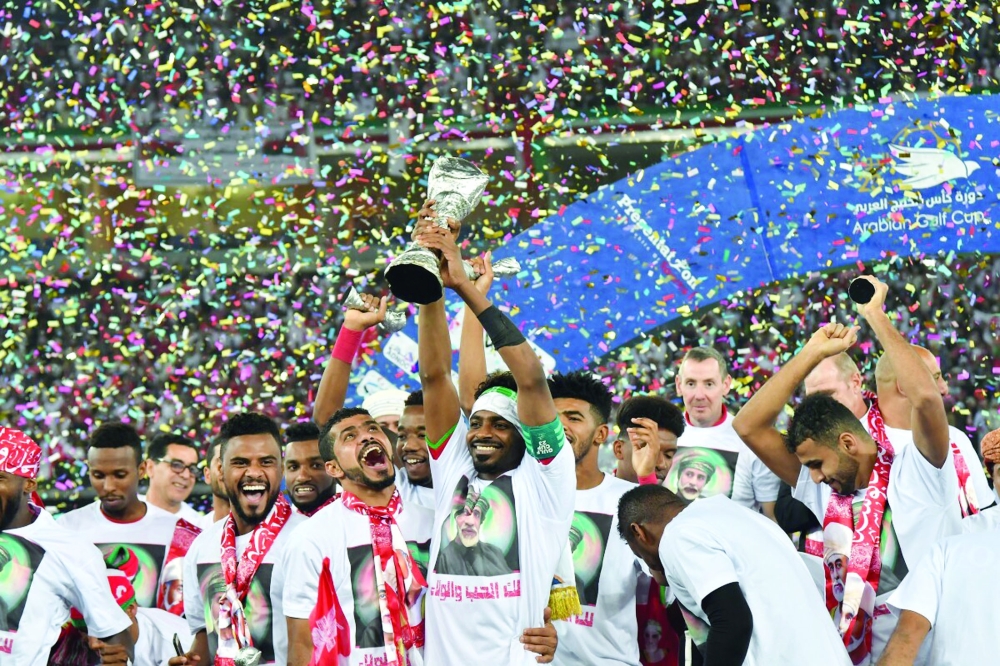





MUSCAT: For decades, the Arabian Gulf Cup had evolved far beyond a two-week football tournament. The competition has become an important platform for football development across the region, providing national teams with a valuable testing ground, creating opportunities for players and coaches, strengthening sporting relationships and giving host nations experience in staging major continental and international events.
From its early editions, the Gulf Cup has played a significant role in shaping the football landscape of the region. What began as a competition designed to bring Gulf nations together has grown into one of the most followed sporting events in the Arab world, attracting millions of supporters and generating a strong sense of regional identity. The tournament's importance can be measured not only by the trophies won but also by the players it has developed, the coaches it has promoted and the infrastructure and organisational experience it has helped create. For players, the Gulf Cup can serve as a gateway to wider opportunities. Performances at the tournament have historically attracted the attention of clubs across the Gulf, while successful coaches have used the competition to establish their reputations and secure new contracts.
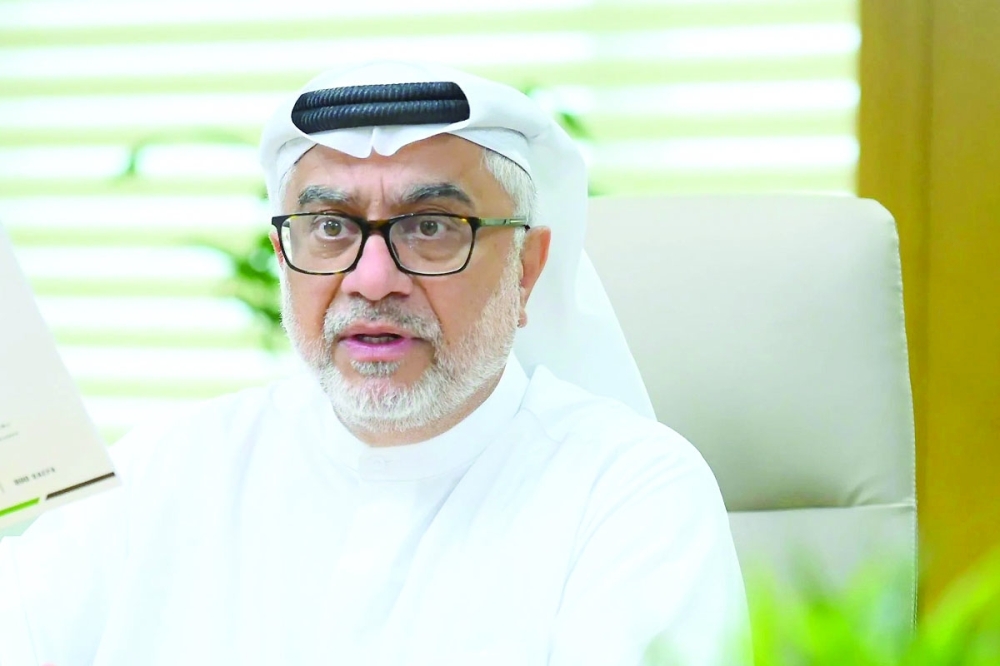
Mohammed Murad Ali al Jocker, journalist and sports historian from UAE, who began his media career in 1978, has witnessed the development of Gulf football across several generations. "The first Gulf Cup in Oman in 1984, he recalled, represented an important stage in the country's football development. As Oman continued to participate in the competition, its national teams gradually became more competitive, eventually advancing further in the tournament and producing players who went on to establish themselves professionally in the Gulf," he told Oman Observer.
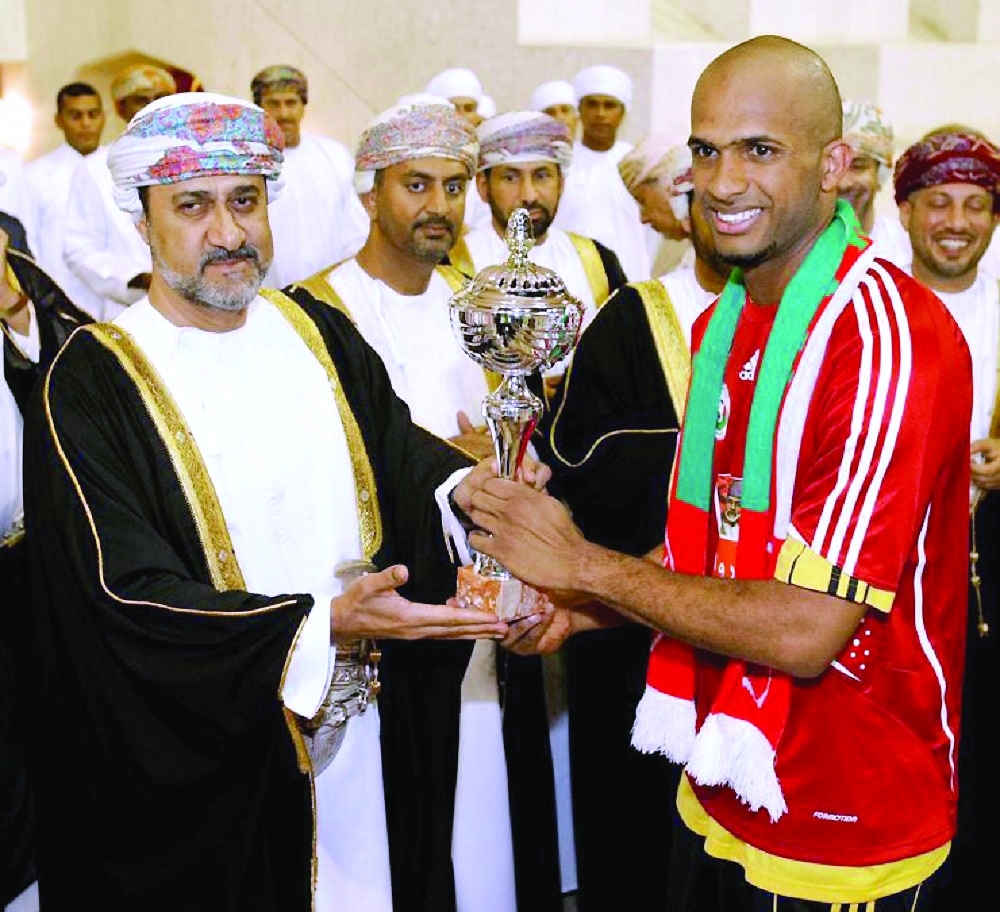
"Players such as Ali al Habsi, Imad al Hosni, Badar al Maimani and many others have became prominent examples of Omani footballers who built successful careers, while the experiences gained through Gulf competition contributed to the wider development of the national game. Oman subsequently hosted several Gulf and regional competitions, gaining valuable experience in organisation, stadium operations, media management and tournament logistics," he added.
"The hosting experience has become one of the Gulf Cup's most important legacies. The competition has repeatedly provided countries with an opportunity to test their readiness for larger continental and international events. Qatar is perhaps the clearest modern example. Years of hosting major Gulf competitions helped the country develop its sporting infrastructure and organisational capabilities before it staged the 2022 Fifa World Cup, the first World Cup held in the Arab world. The Gulf Cup has therefore become part of a wider sporting pathway: compete, develop, host, learn and then move towards larger international events," he said.
"It has also influenced the football calendar in the region. The tournament has periodically prompted discussions about scheduling, player workloads and the relationship between domestic, regional and international competitions. Its continuation reflects the desire of Gulf countries to maintain a dedicated platform for national-team football," Mohammed said.
COMMUNITY EVENT
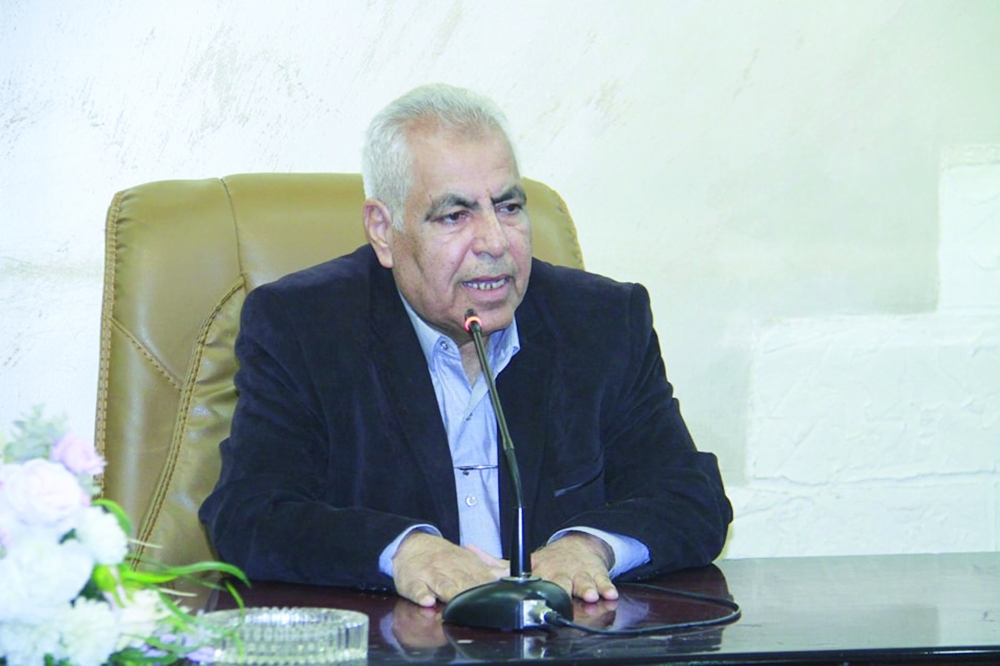
For Iraqi journalist and veteran Gulf Cup observer Dr Hadi Abdullah, the tournament represents much more than football results. "I am pleased to attend and cover the Gulf events since 1979, when I was a student at the College of Media in Iraq," Dr Hadi said.
He described the Gulf Cup as a community event for the region. "Despite political challenges and interruptions that affected some editions, the competition repeatedly returned. Now, with the tournament reaching its 27th edition, its longevity itself has become part of its significance. The Gulf Cup produced many advantages for the Gulf and Arab countries," Abdullah said, pointing to the way technological development has also transformed the tournament.
He recalled earlier editions when media facilities were little more than small tents where journalists, officials and organisers worked together. Today, Gulf Cup host nations compete to provide modern facilities and a high standard of organisation. That evolution mirrors the broader transformation of Gulf football.
"The tournament has also demonstrated that reputation alone does not guarantee success. Defending champions can be eliminated in the group stage, while traditionally strong teams can suffer unexpected defeats. The Gulf Cup has developed its own competitive dynamics, making it difficult for teams to rely solely on their historical standing. Its influence can also be seen in the development of national teams beyond the region's traditional powerhouses." he pointed out.
OPPORTUNITIES AND EXPOSURE
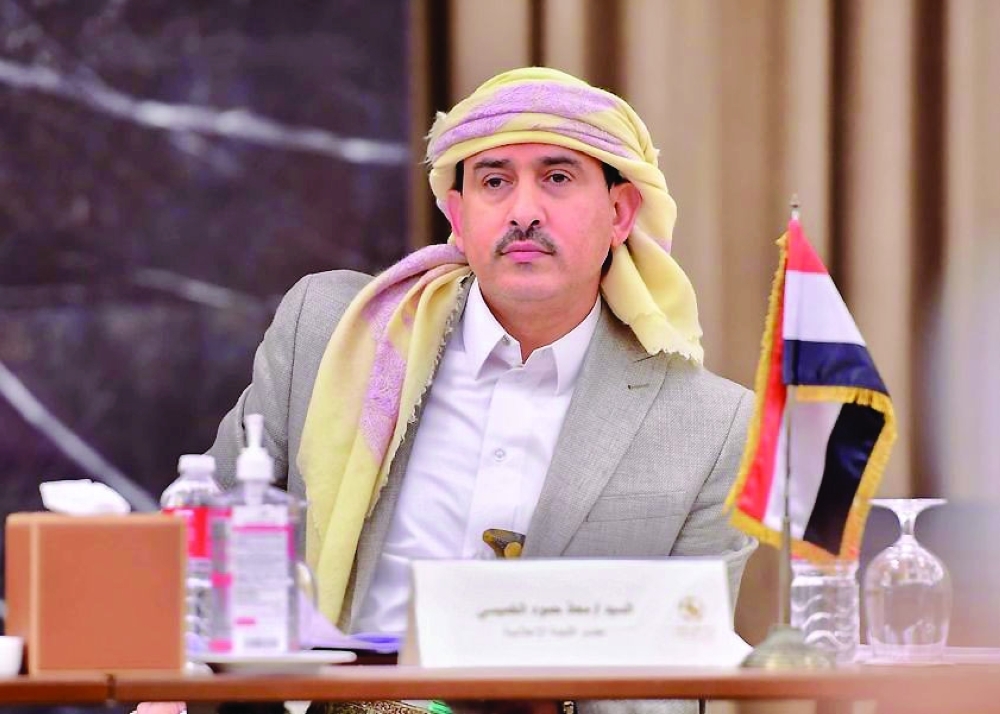
Muadh al Khamisi, chairman of Yemen's media delegation, described the Gulf Cup as a "small Fifa World Cup event" in terms of the opportunities and exposure it provides. "For Yemen, participation has been particularly important. The country entered the Gulf Cup from the 16th edition and gradually established itself within the competition. Yemen recorded its first draw against Oman before achieving its first Gulf Cup victory against Bahrain at the 26th edition," he said.
"Those milestones demonstrate how the tournament can provide developing football nations with competitive experience that would otherwise be difficult to obtain. Despite Yemen's financial and organisational challenges, there are high expectations on the national team and the benefits it can gain from continued participation. The broader history of the competition is equally significant," he added.

VISION AND CREATION
Ibrahim al Faryan, from Saudi Arabia media, highlighted the origins of the Gulf Cup and the vision behind its creation. "Prince Khalid bin Faisal bin Abdulaziz proposed, in the late 1960s, the idea of a competition bringing together national teams from the Gulf states as a way of strengthening relations among the peoples of the region. The first tournament was subsequently hosted by Bahrain, with Saudi Arabia staging the second edition. More than 50 years later, the original concept has expanded considerably. The competition now brings together the Gulf states alongside Iraq and Yemen, creating a sporting platform that has survived changing circumstances and multiple challenges," he said.
"Its historical impact can also be linked to the progression of Gulf teams on the world stage. Kuwait qualified for the 1982 Fifa World Cup, Iraq reached the 1986 World Cup, and the United Arab Emirates qualified for the 1990 tournament. Saudi Arabia subsequently established itself as a regular World Cup participant, appearing at five consecutive editions from 1994 through 2010 and continuing their presence at later tournaments," he added.
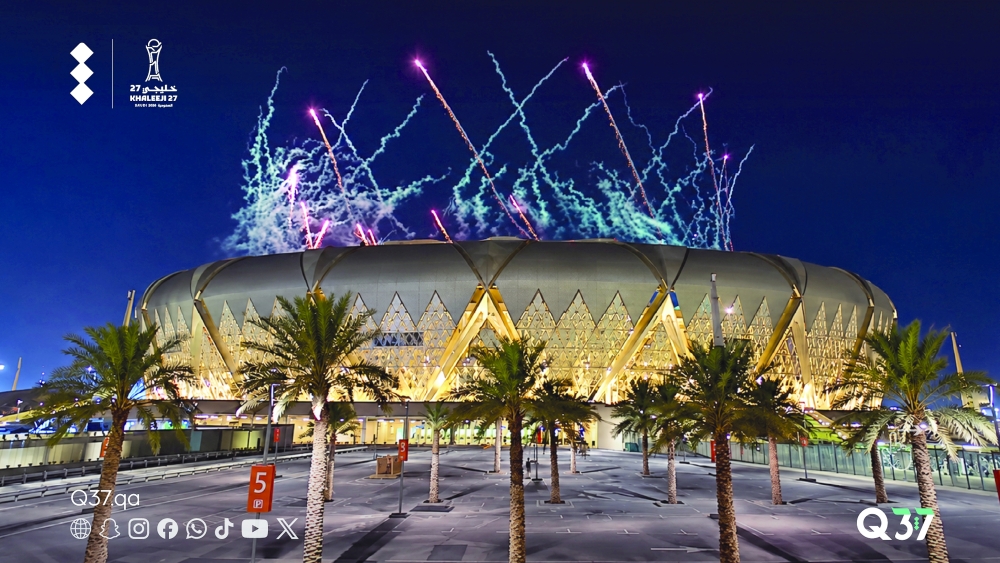
Back to the most recent Fifa World Cup qualifiers, Qatar, Saudi Arabia and Iraq represented the wider Gulf region, while the United Arab Emirates had come close to qualifying. For Saudi Arabia, the Gulf Cup is now part of a much broader sporting journey. The country is preparing to host the 2027 AFC Asian Cup and the 2034 Fifa World Cup, making experience gained through regional tournaments increasingly valuable. The Gulf Cup therefore continues to serve two purposes at the same time. On the field, it gives national teams an intensely competitive environment in which to develop players, test tactical approaches and build experience. Off the field, it gives host countries an opportunity to strengthen their organisational capabilities and prepare for larger sporting responsibilities.
For more than half a century, the Gulf Cup has provided a common sporting stage for countries with different football traditions, resources and levels of development. It has helped emerging players find their way, given established stars a regional platform and offered host nations a laboratory for developing their sporting infrastructure and event-management capabilities. The Gulf Cup may last only a few weeks on the football calendar, but its influence extends far beyond the final whistle. It remains a development platform, a competitive proving ground and a bridge between Gulf football's past and its increasingly ambitious international future.
Oman Observer is now on the WhatsApp channel. Click here