




MUSCAT: Thousands of satellite dishes and antennas, most of which are unused as households switch to streaming platforms, pose growing public safety, structural, and environmental risks.
"We are seeing more roof leaks and cracks under the dish installations, especially in Muscat and Salalah," says Ahmed al Balushi, a facilities engineer with Muscat Municipality. "The sealant fails, water gets in during the monsoon, and you end up with mold and damage inside flats. The owners moved to IPTV, but the dish stayed."
According to the safety engineers, wind is the bigger concern. Muscat Municipality recorded 18 cases of loose dishes or brackets falling from buildings in Bausher, Ruwi and Al Ghubra. However, no fatalities were reported, but two cars were damaged and one pedestrian sustained minor injuries from falling debris.
The Civil Defence and Ambulance Authority (CDAA) also notes access problems. Fire crews often use rooftops for ventilation and rescue in densely populated areas like Muttrah and Al Hamriya. Tangled cables, rusted poles, and abandoned dishes are a hindrance to rescue operations.
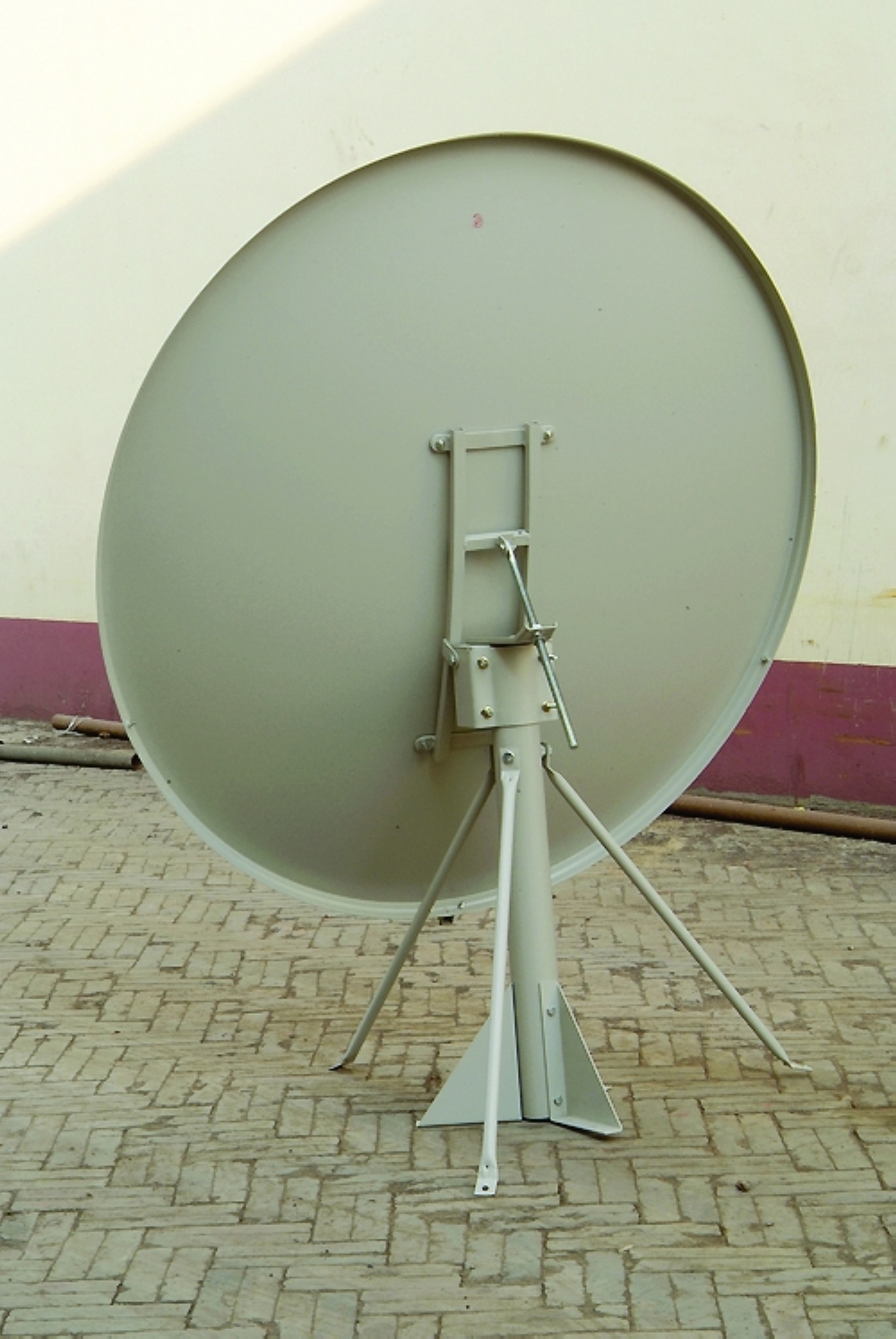
Another risk is environmental. The dishes are mostly made of aluminium, steel, and UV-coated plastic. Left outdoors, they trap dust, rainwater, and bird droppings. After the rains, the water trapped becomes a breeding spot for mosquitoes. Scrap collectors sometimes cut them down for metals, leaving sharp edges and bolts, posing hazards.
The telecom providers say once a subscription ends, the dish belongs to the customer, while the building owners say tenants should remove it. Many tenants do not know which company installed it originally.
"This is orphaned infrastructure," says an urban planning consultant in Muscat. "We had strict rules for installation to protect the skyline, but we never set rules for removal."
Muscat Municipality ran a voluntary collection drive in early 2026 in Al Khuwair and Al Qurum, removing and recycling more than 900 dishes. The Ministry of Housing and Urban Planning is also reviewing building codes to require that service providers include a removal clause in contracts, so dishes must be taken down within 30 days of cancellation.
Experts advise residents to take steps to resolve this problem. Tariq al Barwani, an IT expert, says one should hire a technician to remove it properly instead of just cutting the cable if one no longer uses a dish.
“Also, the property managers should include abandoned dishes in annual maintenance audits and set a budget for removal, as well as the scrap collectors should be approached for bulk waste collection as aluminium and steel from dishes can be recycled,” he said.
Removal typically costs between RO 5 and RO 15 per dish, which is far cheaper than repairing water damage or dealing with legal liability in the event of an accident.
As Oman expands fibre and 5G coverage, more dishes will go unused. Without a clear national removal and recycling plan, these relics of early satellite TV could keep posing a risk.
Oman Observer is now on the WhatsApp channel. Click here