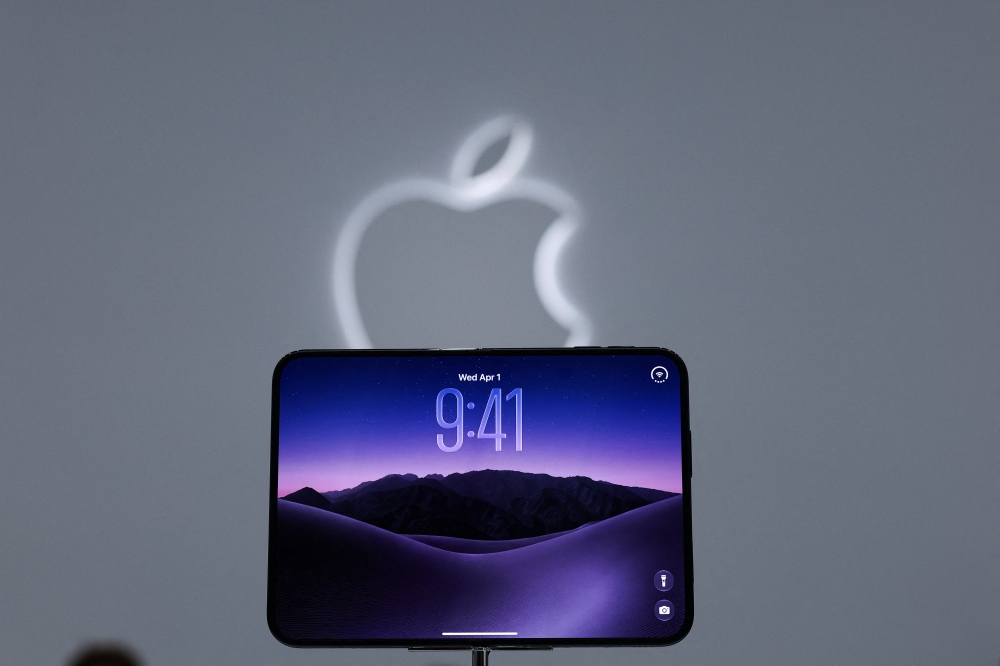
It doesn’t flip — it folds. That was the buzz when Apple unveiled its new iPhone Duo this week at a media event in Cupertino, California. The event gave journalists the opportunity to get a first look at the device and to briefly try it for themselves before its public release in October.
Brian X. Chen, the lead consumer technology writer for The New York Times; Brenda Stolyar, who covers smartphones for Wirecutter, the Times’ product recommendation site; and Caitlin McGarry, who edits Wirecutter tech coverage, were there to see the device — and its faint crease — themselves. They explained their processes for testing new tech gadgets and what goes into a review. This conversation has been edited and condensed.
You don’t have access to the iPhone Duo yet. But Apple hosted a press event that gave reporters a peek at how it works. Can you describe what these types of events are like, and what you can glean from them?
BRIAN X. CHEN: Steve Jobs is widely credited for pioneering the product unveiling event, which has been a form of marketing for tech companies showing off new inventions. Lots of companies, including Samsung, Google and Meta, now emulate it. In general, members of the press get invitations to an event where tech executives show off a product; typically we have hands-on time to try the product before it becomes available to the rest of the world. It’s a small window that gives us a glimpse into whether a new technology will become a trend or be a fad.
CAITLIN McGARRY: We also usually get to chat with employees at the companies who have worked on the products, and ask them questions about decisions or features that are confusing or unclear. In the worst-case scenarios at these launch events, the products are behind glass or are running a demo version of the software (or a looping video) that doesn’t replicate the real-world experience of using it. With the iPhone Duo, we were able to try the actual device for about 45 minutes.
Q: Brian, you write the Times’ Tech Fix column, about consumer technology. Caitlin and Brenda, you work for Wirecutter, the Times’ product recommendation site. How do your goals differ?
BRIAN: I tend to stray away from a traditional review format, which is usually an evaluation of a product’s main features (like battery life, screen brightness and camera quality). Instead, I try to think big-picture about the themes of a new technology and whether or not it solves real-world problems. I reviewed the most recent Google Pixel 11 phone, for example, and that device featured new AI software that ordered groceries, hailed cars and booked restaurant tables for the user. I asked: Do people really want AI that uses their phones for them? I focused on that theme because I was trying to assess whether so-called agentic AI is really going to drive the future of personal computing — or if some of these new tools are just gimmicks.
CAITLIN: People come to Wirecutter for recommendations, so our goal is to evaluate what products are like to actually live with. Our readers are curious about the latest technology, but they’re more interested in buying the best possible thing that will last the longest time — and doesn’t cost a fortune. We come up with a list of criteria for evaluating product categories and then aim to test every worthwhile product to figure out which one is the best for most people and often which is best for a particular user or situation.
Q: Apple and other tech companies are protective of their products before they hit the market. What does access look like? Do we keep the products we review?
BRIAN: It’s no secret that some tech companies may prioritize giving early access to writers who they believe will give them favorable coverage. With some companies whose products I’ve reviewed favorably (because I thought the product was simply good), it’s not difficult to continue to get access. But with others whose products I’ve reviewed unfavorably, I’ve been denied access. My goal is to serve the reader and tell them whether or not a piece of technology is worth their consideration, so if a company denies me access, I simply buy the product and test it. If a company provides access, I test a loaner and return it when I’m done. With iPhones, I usually ship them back to Apple within a month after publication.
CAITLIN: Like Brian, journalists at Wirecutter review products regardless of whether a company provides us access to them. If they don’t, we buy them. If they do, we usually get them before they hit stores and have some time to use them in the real world before we review them.
We reevaluate devices over time and aim to comprehensively compare devices against one another to determine which is best, so our testing period is fairly lengthy compared to other outlets. We send review units back when we finish testing, and we donate devices we no longer need to test, according to Wirecutter’s ethics policy.
Q: What are your editorial processes for tech reviews?
BRIAN: Whenever I test a product, I put myself in the shoes of someone who is not working in Silicon Valley — my relatives, my nanny, my kid’s preschool teacher — and I try to think from a down-to-earth perspective about what matters to people and whether or not this new gadget is going to be useful for them. Most people just want to feed their families, take care of their health, shoot nice pictures and get their work done.
CAITLIN: Wirecutter has a whole team of consumer technology reporters, and our review process varies depending on what we’re testing. When we review devices like routers, laptops and monitors, we put them through an intensive benchmarking process to capture objective measurements. And then we actually live with those products to see what features improve your quality of life and which ones are simply annoying (the classic flaw but not deal-breaker).
Wirecutter’s journalists have full editorial control over what to test and which products to recommend. We have no insight into decisions about things like affiliate links, which are the responsibility of our commerce department. Wirecutter’s newsroom operates independently of the revenue side.
BRENDA STOLYAR: Like Caitlin said, we live with these products. For example, with smartphones, I use each review unit as my primary device, implementing the same habits and usage that I would with my standard device — using it for social media and transportation apps, making phone calls and sending texts, shooting and editing photos, and more. This gives me the most realistic insight into its hardware (based on how comfortable it is to use and travel with), as well as how it performs and how long the battery lasts.
Q: How long will you use a product like an iPhone before publishing a review?
BRIAN: Usually about a week. In the past, companies gave us two weeks before lifting embargoes for when we were allowed to publish reviews, but these embargoes have gotten shorter and shorter over the years, which is not ideal. But there are also so many products out there and companies competing for your attention, so I get it.
CAITLIN: Our review timeline is similar, but in many cases we update reviews again and again with long-term test notes after publishing our initial review. If we run into issues with a device and need more time with it, we’ll skip the embargo so we can figure out if the issue is serious and widespread or if we got a lemon (which occasionally happens).
Q: How many brands of phones do we test and evaluate in a typical year?
BRIAN: I don’t review very many because I like to focus on a few each year that represent new trends, such as AI or foldable screens. But when I do a review, I also tend to request loaners of a few competing devices so I have comparisons.
BRENDA: Each year, we review phones from all the major phone manufacturers, including Apple, Samsung, Google and Motorola. But we also test phones from smaller brands doing interesting things. Each brand also offers different categories of devices, including flagship, budget, foldable and midrange phones. These releases are staggered throughout the year, so we’ll review a variety of models from each brand.
CAITLIN: We test cheap phones under $200, and $2,000 foldable phones. We have recommendations for folks who don’t want to spend a lot of money and for early adopters who want the latest and greatest.
Q: What else do readers need to know about the way we vet a flashy new product?
BRIAN: Because the Times is independent and we’re primarily supported by subscribers, we’re here to serve you — not to hype up every shiny new thing. That’s largely why you’ll see real-talk advice from me, like how instead of buying this year’s new phone, you’d probably be happy buying a refurbished version of last year’s phone and save a good buck, especially with the AI-induced chip shortage driving the price of everything up.
This article originally appeared in The New York Times.
Oman Observer is now on the WhatsApp channel. Click here