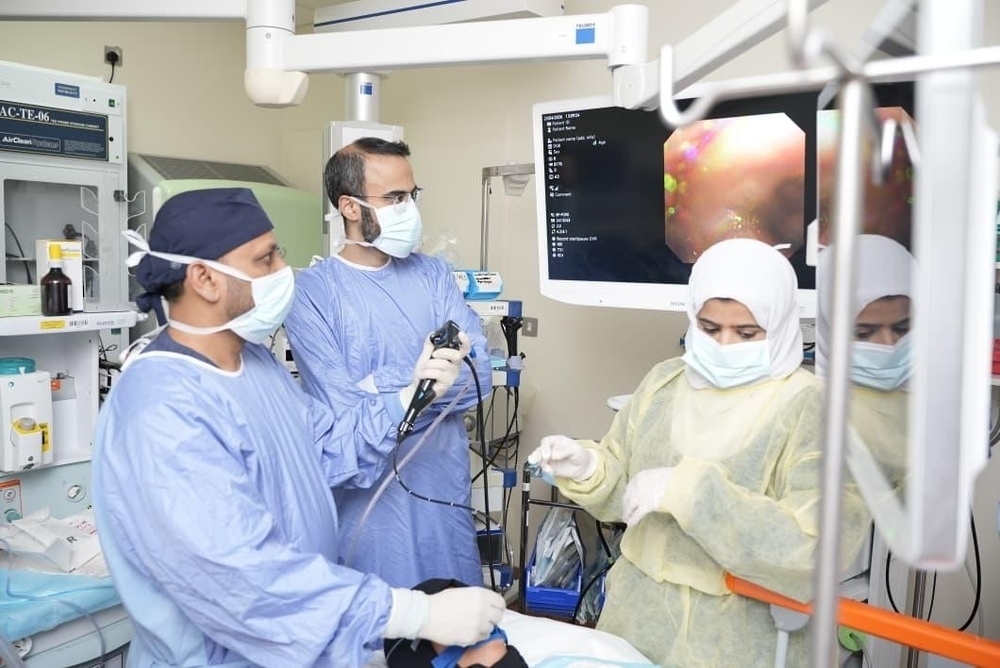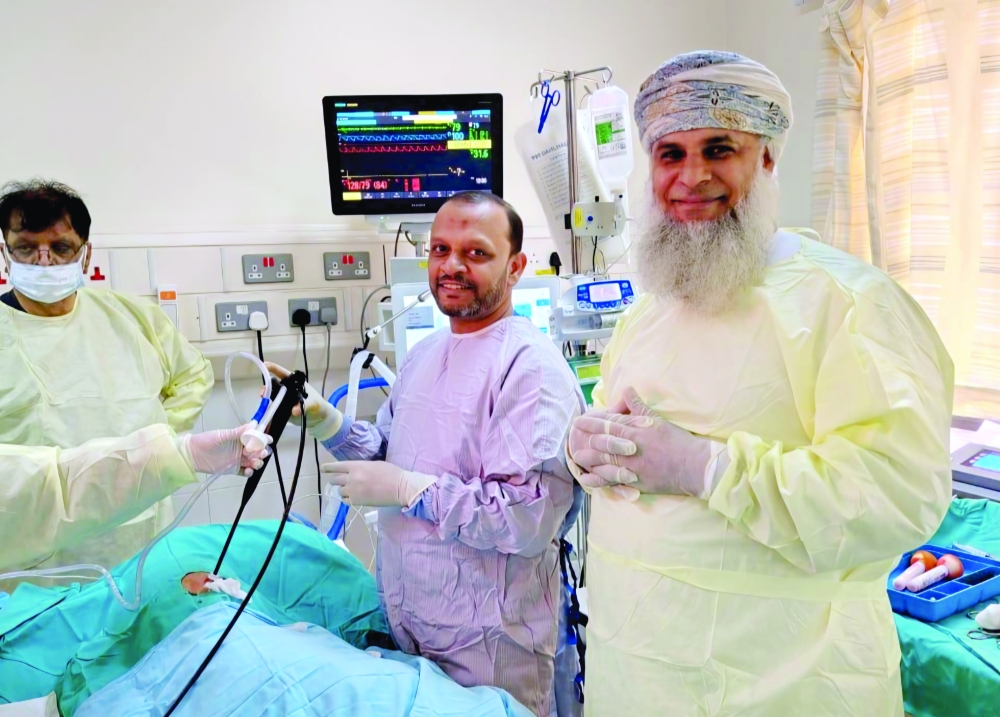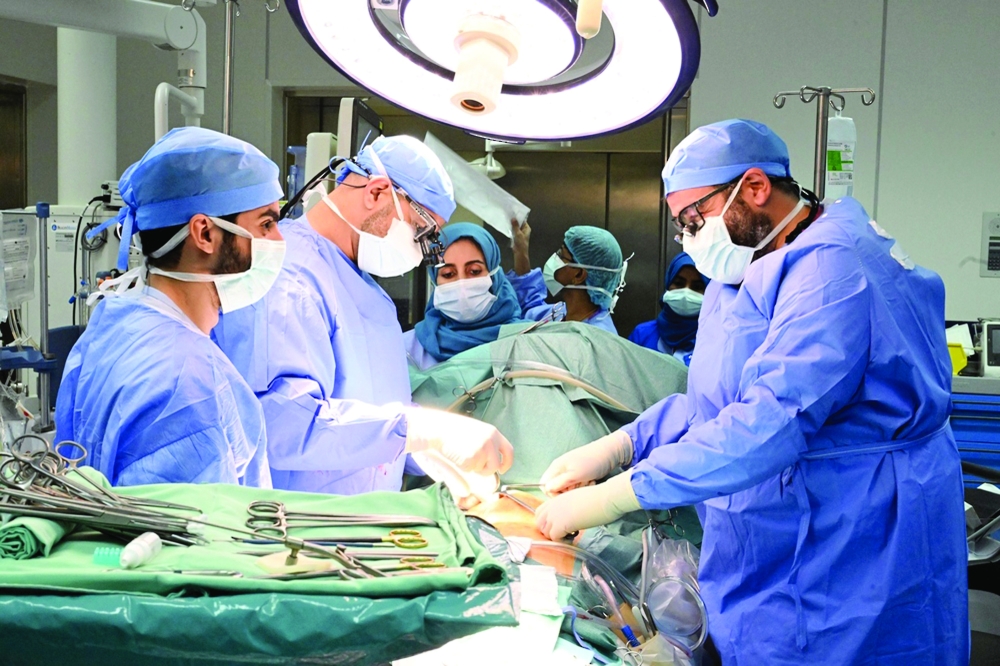





MUSCAT: The National Heart Centre at the Royal Hospital, in collaboration with the Omani Centre for Organ and Tissue Donation and Transplantation, successfully performed its fourth heart transplant in the Sultanate of Oman. In addition, four organ transplants were performed using organs obtained from a brain-dead donor thus saving the lives of four patients.
This medical achievement reflects the high level of efficiency and preparedness the Royal Hospital has attained as well as the integrated coordination with the government and military health systems in the Sultanate of Oman and the University Medical City. It also highlights the progress made by national specialised health services in the field of organ transplantation and confirms the competence of national medical professionals in performing complex procedures.
Dr Najib bin Zahran al Rawahi, Director of the National Heart Centre at the Royal Hospital, said that the success of these complex procedures reflects the Center’s commitment to the highest internationally recognised standards of quality and safety in providing advanced cardiac care. He added that heart transplantation is not merely a high-level surgical intervention, but rather an integrated system subject to strict protocols for evaluation and follow-up, and a comprehensive approach to total quality management in healthcare.
He added that this significant achievement is a testament to the unique harmony and integration among the various subspecialties within the Centre, including cardiac surgery, heart failure, aesthesia, cardiac intensive care, perfusion, and cardiac rehabilitation teams. He explained that collaboration among the various medical and paramedical teams is essential for ensuring the best possible outcomes and the continued success of the National Heart Transplant Programme.
Dr Noreen bint Yousef al Balushi, Director of the Omani Centre for Organ and Tissue Donation and Transplantation, said that the achievement reflects high level of collaboration and integration among intensive care units, organ donation teams, laboratories, logistics, and heart, liver, and kidney transplant teams. This collaboration ensures the maximum benefit from each donation, transforming the painful loss of life into new opportunities for several patients.
She noted that saving four patients from a single donor requires the integration of numerous factors, most importantly the accurate diagnosis of brain death, early identification of potential donors, and optimal preservation of organ function within the intensive care.
It’s noteworthy that the Sultanate of Oman has successfully built a sustainable heart transplant programme thanks to the efforts of the medical staff at the National Heart Center and the participation of a multidisciplinary team. She added that the programme, in a short period, developed a comprehensive system that includes precise patient selection, highly efficient pre-operative management, and long-term post-transplant follow-up, all of which contribute to improved medical outcomes and a higher quality of life for patients.
It is worth noting that the number of organ transplants performed between January 1 and July 28, 2026, stood at 35 including 23 kidney transplants (15 from living donors and 8 from deceased donors), 9 liver transplants (6 from living donors and 3 from deceased donors), and 3 heart transplants all from deceased donors. The number of corneal transplants performed during the same period was 50. — ONA
Oman Observer is now on the WhatsApp channel. Click here