




MUSCAT, SEPT 1
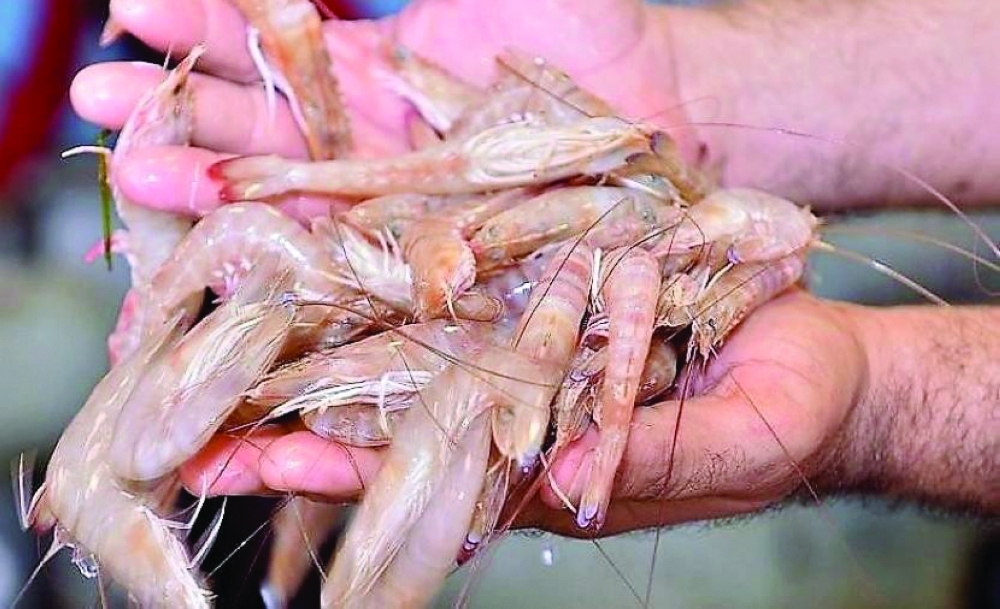
The Ministry of Agriculture, Fisheries and Water Resources has formally announced the start of the 2026 shrimp fishing season, which runs from September 1 to the end of November - an annual conservation-focused exercise aimed at sustainably developing shrimp stocks, bolstering local shrimp production, and supporting a promising sector within Oman's economic diversification strategy.
The Ministry reported that total shrimp production in 2025 reached 6,321.46 tonnes, valued at RO 14.15 million. Aquaculture-based shrimp output accounted for the largest share, producing 5,367.50 tonnes valued at RO 12.40 million, compared to 953.96 tonnes from natural fisheries valued at RO 1.75 million.
This growth reflects the transformation of shrimp from a traditional marine resource into an economically viable activity with substantial investment opportunities, particularly given Oman's expansion in the aquaculture sector. Total aquaculture production in 2025 reached approximately 9,240 tonnes, valued at over RO 20.3 million, representing a 67.7 per cent increase compared to 2024. Whiteleg shrimp was among the most prominent species in this sector.
New investments are aimed at boosting the sector's production capacity, including a shrimp farming project in the Wilayat of Shinas with an investment cost of RO 23.5 million and an expected annual production capacity of 7,500 tonnes at full operation. This will enhance the Sultanate's ability to meet domestic demand and open up greater export opportunities.
The economic value of the shrimp season extends beyond fishing and production to encompass a complete chain of activities including transportation, sorting, packaging, refrigeration, freezing, marketing, and export. Developing this chain will increase the added value of local products, create job opportunities, and support small and medium-sized enterprises (SMEs) operating in the coastal governorates.
At the same time, the Ministry confirmed that equipment permitted for use during the 2026 season is limited to gillnets, effectively prohibiting the use of trawls and any other unlicensed fishing methods. It also emphasized the prohibition of fishing, possession, trading, selling, purchasing, transporting, storing, exporting, and freezing shrimp outside the specified period and regulations.
Adherence to these regulations is essential to ensuring the sustainability of natural stocks, especially since the long-term economic viability of the sector depends on its ability to balance increased production with the preservation of marine resources.
With the continued expansion of aquaculture and related investments, shrimp can serve as a model for a marine sector capable of generating added value, stimulating the coastal economy, enhancing food security, increasing investment and export opportunities, and contributing to the diversification of income sources in the Omani economy beyond traditional sectors.
Oman Observer is now on the WhatsApp channel. Click here