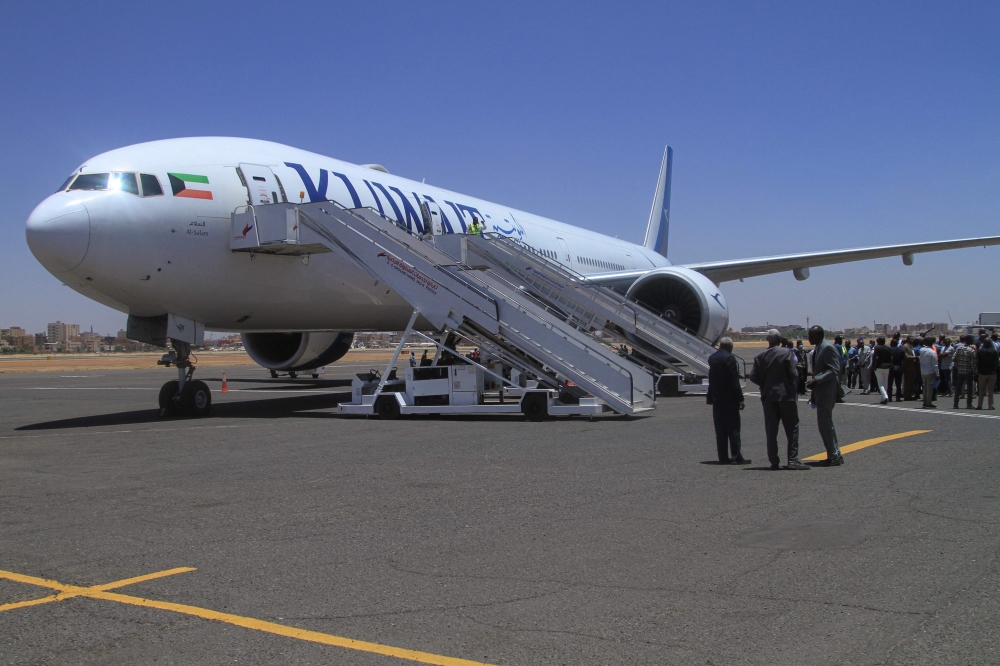





Middle Eastern carriers recorded a 9.5% year-on-year decrease in passenger demand in July, while capacity dropped 5.8% and the load factor fell to 80.9%—down 3.3% compared to July 2025. The region has been gripped by uncertainties due to the ongoing conflict between the United States and Iran since the end of February this year. The war saw an reescalation in July after a temporary truce in June.
According to the latest data from the International Air Transport Association (IATA), this decline in passenger traffic continues to moderate following double-digit drops earlier in the year. Concurrently, Middle Eastern airlines saw a 1.7% year-on-year increase in air cargo demand for July, supported by a 4% growth in capacity. In Oman, Muscat International Airport showed strong momentum, with international passenger numbers rising to 988,738 in July, up from 834,410 in June and 755,951 in May.
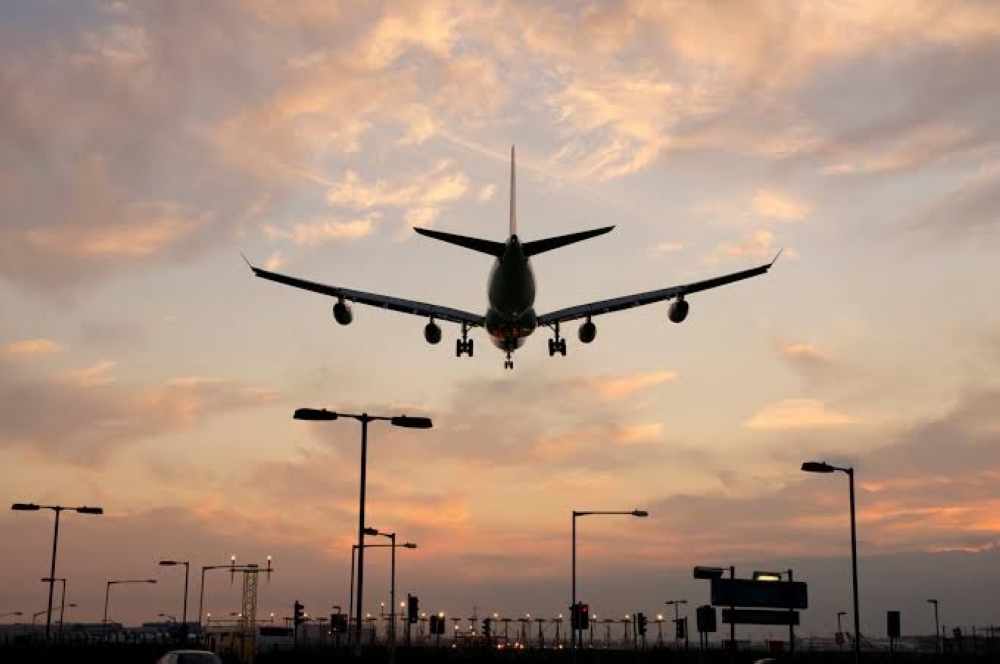
On a global scale, total passenger demand—measured in revenue passenger kilometers (RPK)—rose 0.2% compared to July 2025, though excluding the Middle East, demand actually grew by 1.2%. Total capacity, measured in available seat kilometers (ASK), increased 0.3% year-on-year, yielding an overall load factor of 85.2%.
Global international demand edged down 0.1%, though it grew 1.5% when excluding the Middle East, with international capacity rising 0.3% to maintain an 85.2% load factor. Domestic passenger demand grew 0.6% on a 0.2% capacity increase, achieving an 85.3% load factor.
Meanwhile, global air cargo demand grew 3.9% year-on-year in July, with airlines in Asia-Pacific, Europe, and North America driving over 90% of the increase. Dedicated freighters gained market share as belly-hold traffic declined, reflecting a preference for larger or specialized shipments and greater operational flexibility.
Marie Owens Thomsen, IATA’s Senior Vice President of Sustainability and Chief Economist, noted that the peak Northern summer travel season remains mostly positive despite collective declines in North America and the Middle East, highlighting that Gulf hub traffic continues its recovery trajectory. She added that while high fuel costs, economic uncertainty, geopolitical tensions, and tariff risks remain, carriers express confidence for the remainder of the year, backed by expanding seat capacity, steady manufacturing activity, export orders, and global trade.
Oman Observer is now on the WhatsApp channel. Click here