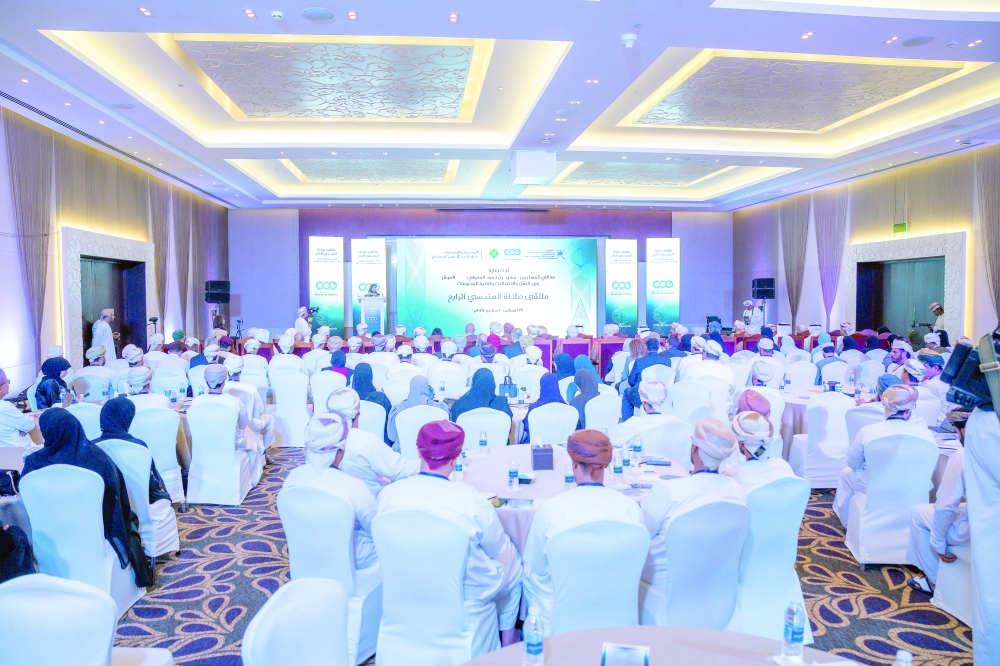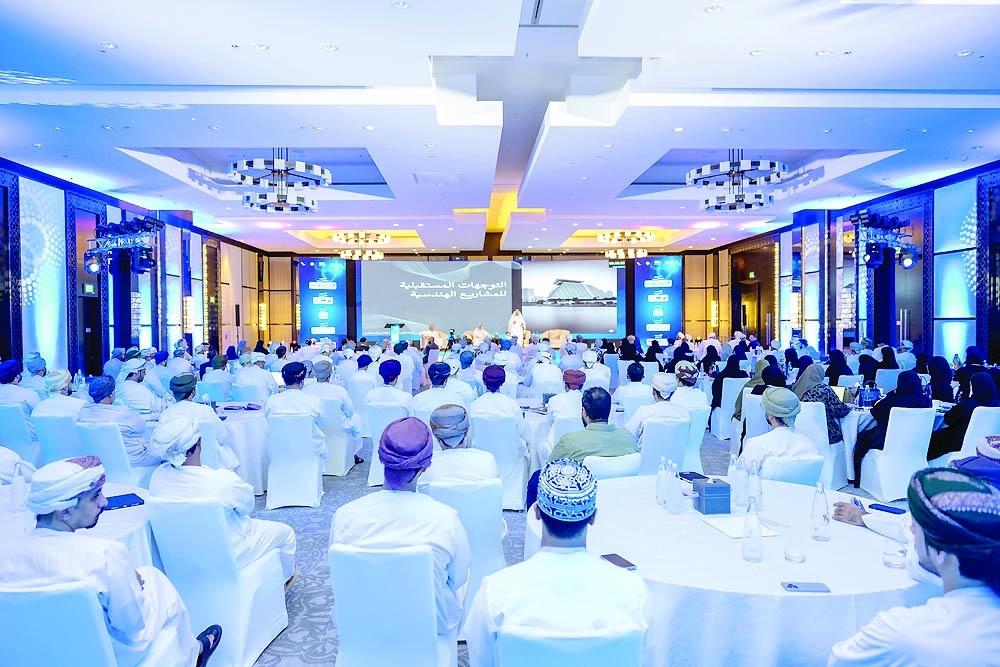





The fifth Salalah Engineering Forum opened in Dhofar on Tuesday, bringing together engineers, researchers and energy specialists from eight countries to examine technologies supporting Oman’s transition towards cleaner and more resilient energy systems.
Held under the patronage of HH Sayyid Marwan bin Turki bin Mahmoud al Said, Governor of Dhofar, the two-day forum is organised by the Oman Society of Engineers in strategic partnership with the Ministry of Energy and Minerals.
The event, being held at Salalah Rotana Resort on September 1–2, is themed “Energy Transition Engineering: Applied Innovations for Resilient Clean Energy Infrastructure.”
The forum features 31 speakers and panellists and more than 22 scientific and technical papers, with participants from Oman, Libya, Qatar, Palestine, Iraq, Iran, India and Denmark.
Four specialised sessions and two panel discussions are covering renewable-energy integration and storage, grid resilience and artificial intelligence, decarbonisation and low-carbon hydrogen, energy efficiency and the circular economy.
Opening the forum, Eng. Fouad Al Kindi, Chairman of the Oman Society of Engineers, said the event comes at a critical time as the global energy system undergoes rapid change and demand grows for safer and more sustainable engineering solutions.
He said renewable-energy integration, storage, resilient grids, artificial intelligence and hydrogen were increasingly central to the future of the sector and offered significant opportunities for engineering innovation.
Al Kindi said the engineering community should be an active partner in the transition by contributing knowledge, designing solutions, building capabilities and supporting policies and initiatives that strengthen energy security, economic development and quality of life.
He also highlighted the importance of expanding professional and technical activity across Oman’s governorates and strengthening links between engineering education, industry and labour-market requirements.
Delivering the Ministry of Energy and Minerals’ address, Eng. Hamoud Al Sawafi, Director-General of Renewable Energy and Hydrogen, said the energy transition should not be viewed simply as a rapid replacement of conventional energy sources.
Rather, he described it as a gradual and balanced move towards a new energy system capable of responding to environmental pressures while supporting sustainable economic growth.
Al Sawafi said Oman could draw on its solar and wind resources, strategic geographical position and established energy capabilities to strengthen economic competitiveness as global energy markets evolve.
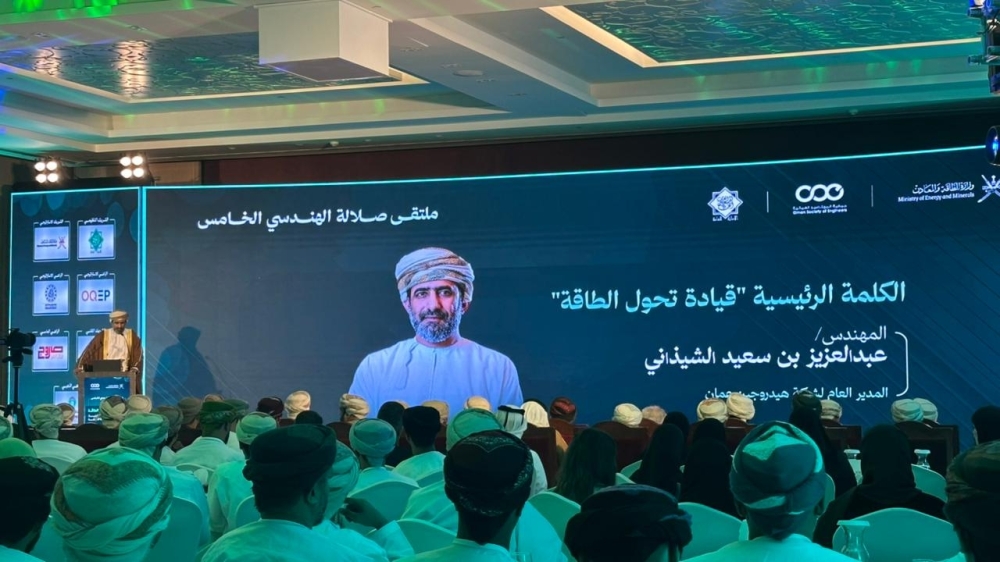
The opening programme also included a keynote address by Eng. Abdulaziz Al Shidhani, Managing Director of Hydrogen Oman (Hydrom), who outlined the growing links between renewable power, green hydrogen and industrial development.
His presentation highlighted the potential use of green hydrogen in sectors that are difficult to decarbonise through direct electrification, including iron and steel, fertilisers and petrochemicals, as well as heavy maritime and aviation transport.
It also identified opportunities in downstream industries including green ammonia, synthetic fuels and other higher-value low-carbon products.
The first day’s technical programme focuses on renewable-energy integration and storage and carbon-removal and low-carbon hydrogen solutions. Papers cover hybrid renewable systems, photovoltaic applications, thermal-energy storage, solar cooling, green hydrogen production, hydrogen-related corrosion, flare-gas recovery and industrial carbon capture.
An accompanying exhibition brings together private-sector and academic institutions showcasing engineering and energy-related initiatives.
Eight graduation projects representing eight universities across Oman are also competing under the Energy Horizon Award 2026, aimed at strengthening links between student innovation, industry and the country’s evolving energy needs.
The forum forms part of the Oman Society of Engineers’ efforts to expand specialised professional dialogue beyond Muscat and strengthen the role of the governorates in addressing national engineering and development priorities.
Oman Observer is now on the WhatsApp channel. Click here