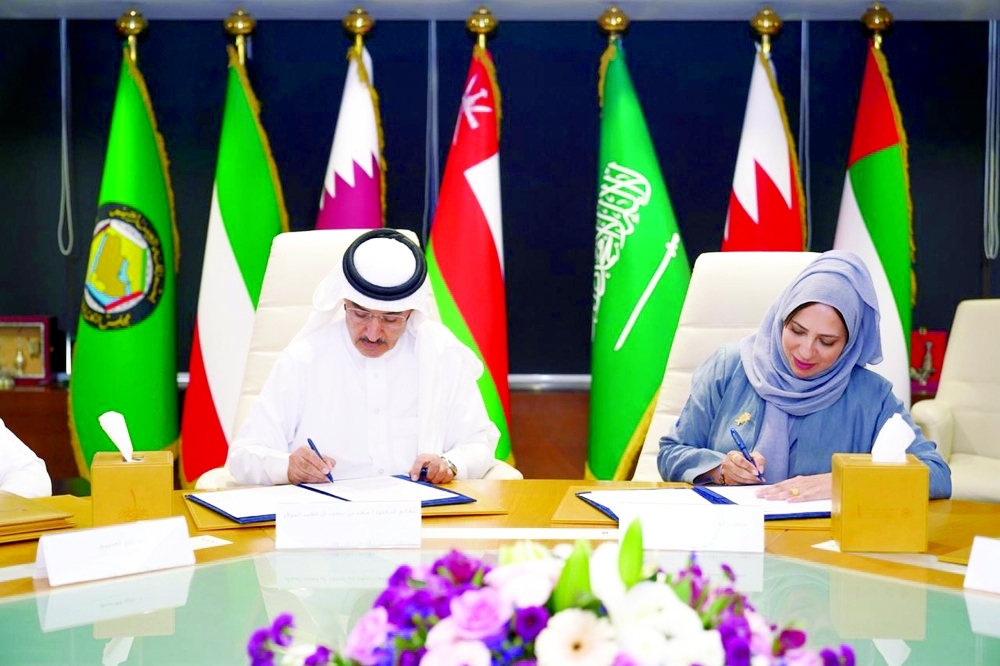





MUSCAT: The GCC Statistical Centre convened in Muscat on Monday the eighth Regional Workshop on Innovation in Tourism Statistics, under the theme 'Innovation in Tourism Statistics: Data Integration and Trend Analysis.'
Hosting the two-day meeting underscores Oman’s role in strengthening Gulf cooperation on statistical collaboration in the field of tourism statistics, as the country works to align its tourism sector with Vision 2040 goals.
More than 30 specialists and officials from GCC statistical authorities are attending the workshop, which focuses on moving beyond single-source data to build a more complete picture of tourism across the region.

Discussions centred on integrating data from hotels, airports, border crossings, payment systems and digital platforms. Participants are mapping tourism data sources, assessing their quality, and reviewing legal and technical requirements for secure data exchange. The goal: better linkage, calibration and reconciliation so that GCC statistics are more consistent and comparable.
Intisar bint Abdullah al Wahaibi, Director-General of the GCC Statistical Centre, said tourism has become a key pillar of GCC development plans and that reliable statistics are now essential for policy and investment decisions. She highlighted strong regional performance. The tourism sector’s economic contribution in GCC countries grew at an average annual rate of 7.3 per cent between 2019 and 2025, outpacing the global average of 6.7 per cent.
In 2025 alone, GCC states welcomed approximately 75.7 million tourists. Inbound spending reached about $131.9 billion, with the sector’s total economic contribution estimated at $254.7 billion.

GCC countries now account for roughly 5 per cent of global tourist movements and 6.9 per cent of worldwide tourism receipts — a sign that the region is attracting higher-value travel. Progress towards the Gulf Tourism Strategy 2025 stands at 73.8 per cent.
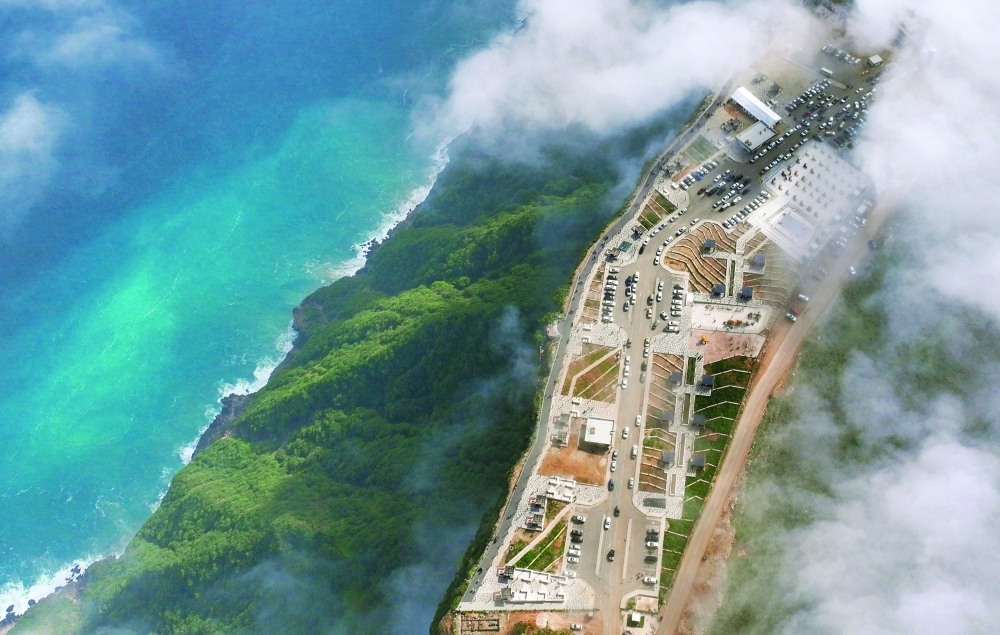
The workshop comes at a pivotal time as the Sultanate of Oman expands cultural, nature and adventure tourism and invests in digital infrastructure to track visitor trends more accurately.
The meeting aims to deliver practical recommendations to close data gaps and improve coordination between statistical bodies and data owners across the GCC. Organisers say stronger, integrated statistics will help governments forecast demand, target investments, and support sustainable tourism growth.
As Al Wahaibi noted, the future of Gulf tourism will be shaped not just by arrivals, but by the quality of the data behind every decision.
Oman Observer is now on the WhatsApp channel. Click here