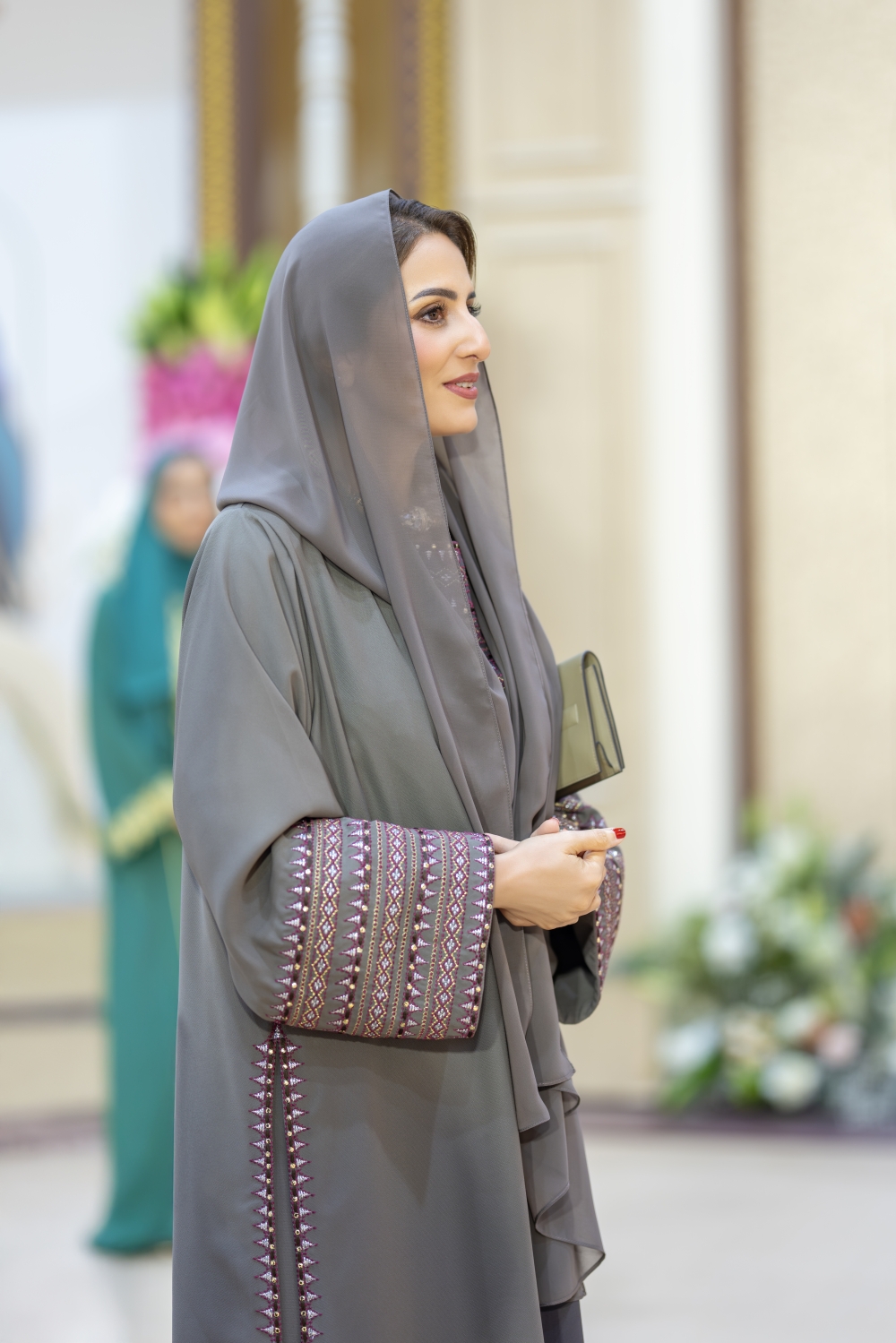





‘Every great musician begins with a single note, played imperfectly. What matters is practicing with intention, and trusting that discipline and passion, over time, become mastery. Oman has extraordinary young talent - I’ve seen it firsthand - and the world is ready to hear it’ - Dr Saida Khalilova, Director, RCMA, Muscat
On any given evening at the Royal Conservatory of Music and Arts, the sound of scales and sonatas drifts down a Muscat hallway, played not by a single prodigy but by a growing chorus of Omani, Azerbaijani, Russian and Turkish children, all bent over the same black-and-white keys.
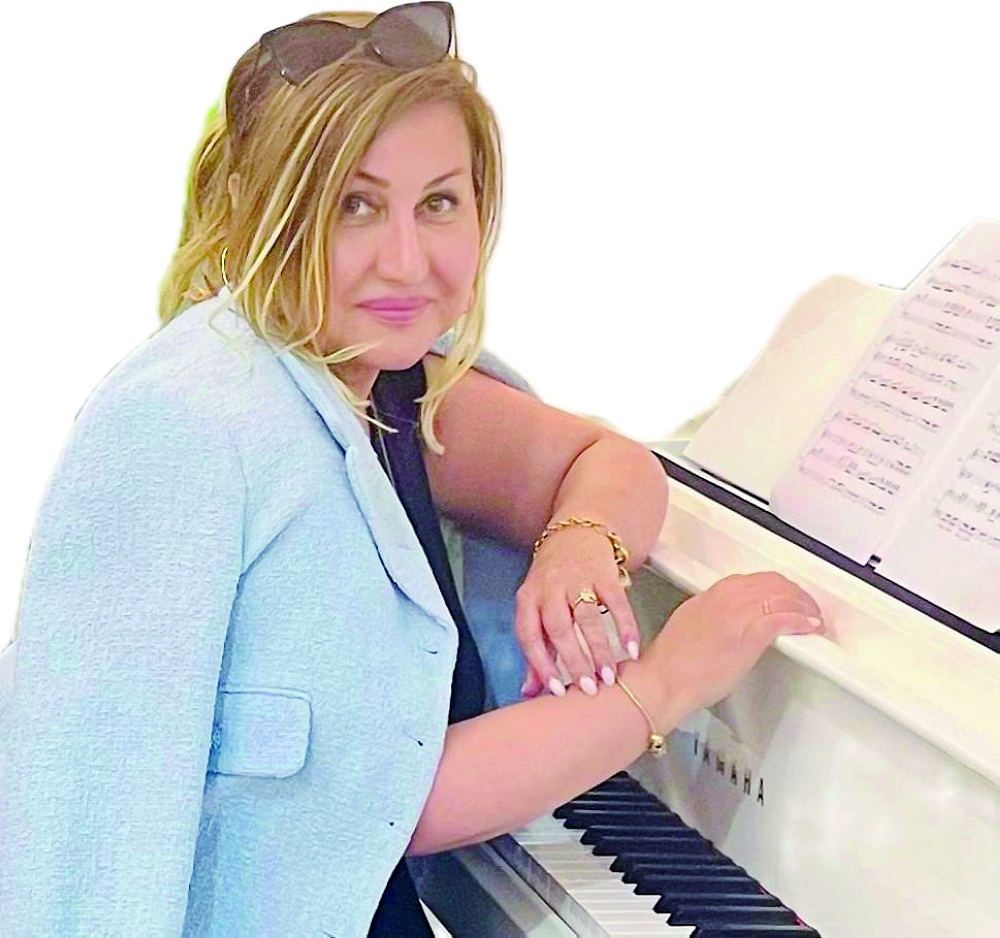
At the centre of it is Dr Saida Khalilova, a pianist and educator with nearly three decades in music training, who set out to do something Oman had never quite had: a conservatory offering international classical certification without requiring students to leave the country to earn it.
“My goal has always been to build a bridge between Oman and the global classical music tradition,” she said, describing years spent at Sultan Qaboos University and the Muscat Music & Art Academy before founding the conservatory that now bears her stamp of rigour.
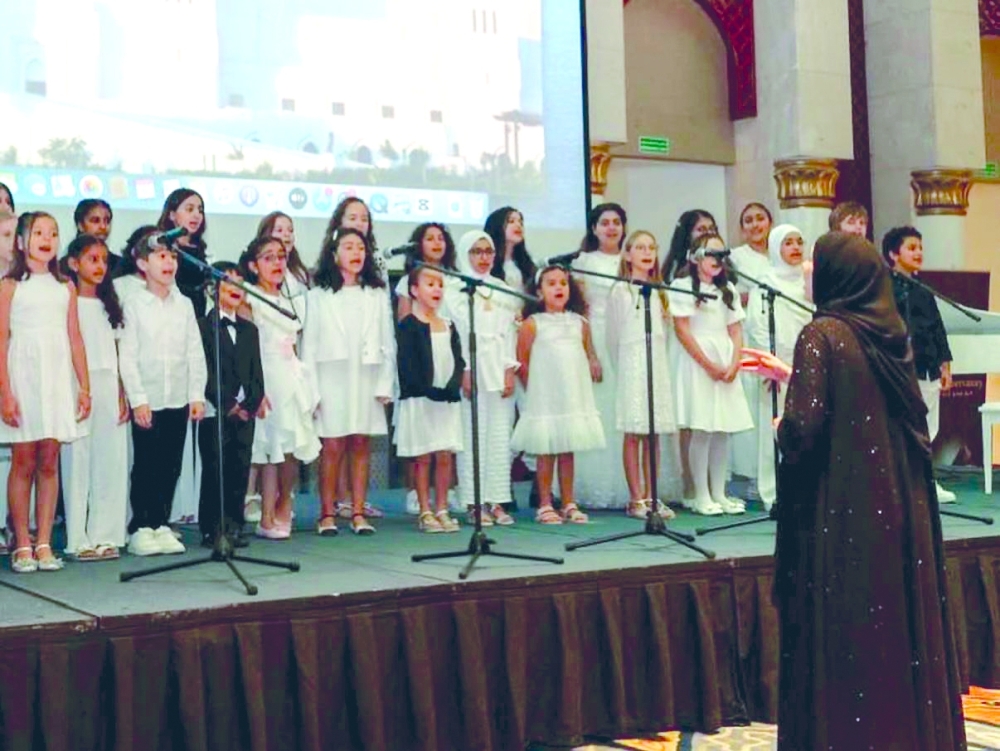
That rigour, she insists, is only half the formula. The other half is the stage. Her students perform regularly at venues including the National Museum, the Opera Gallery at the Royal Opera House Muscat, and a string of embassy receptions - appearances she treats as inseparable from exam preparation.
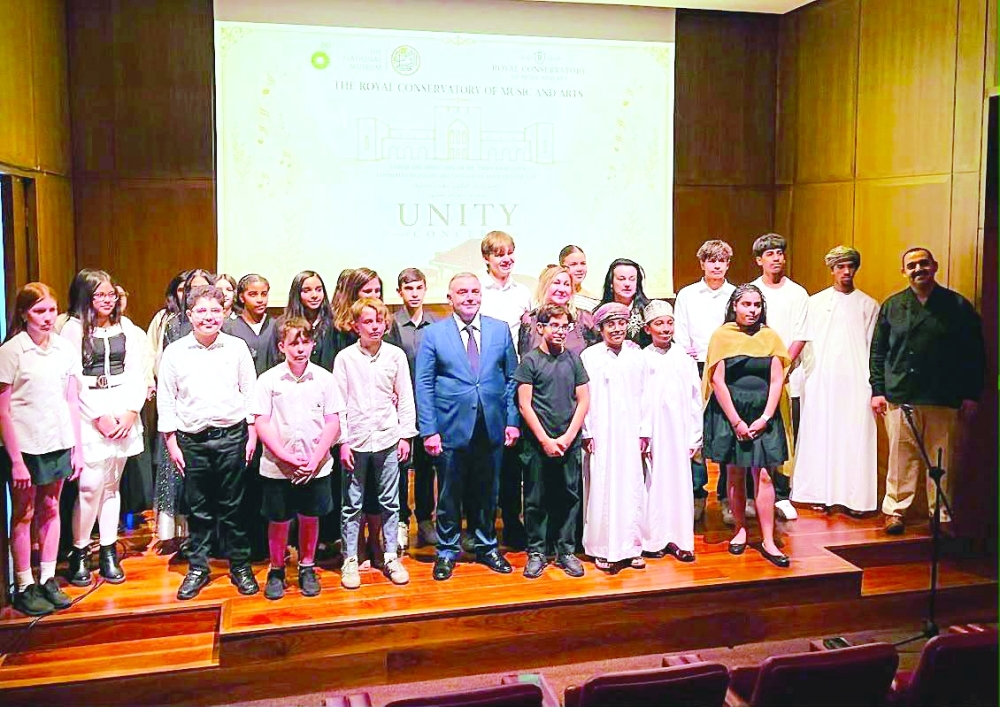
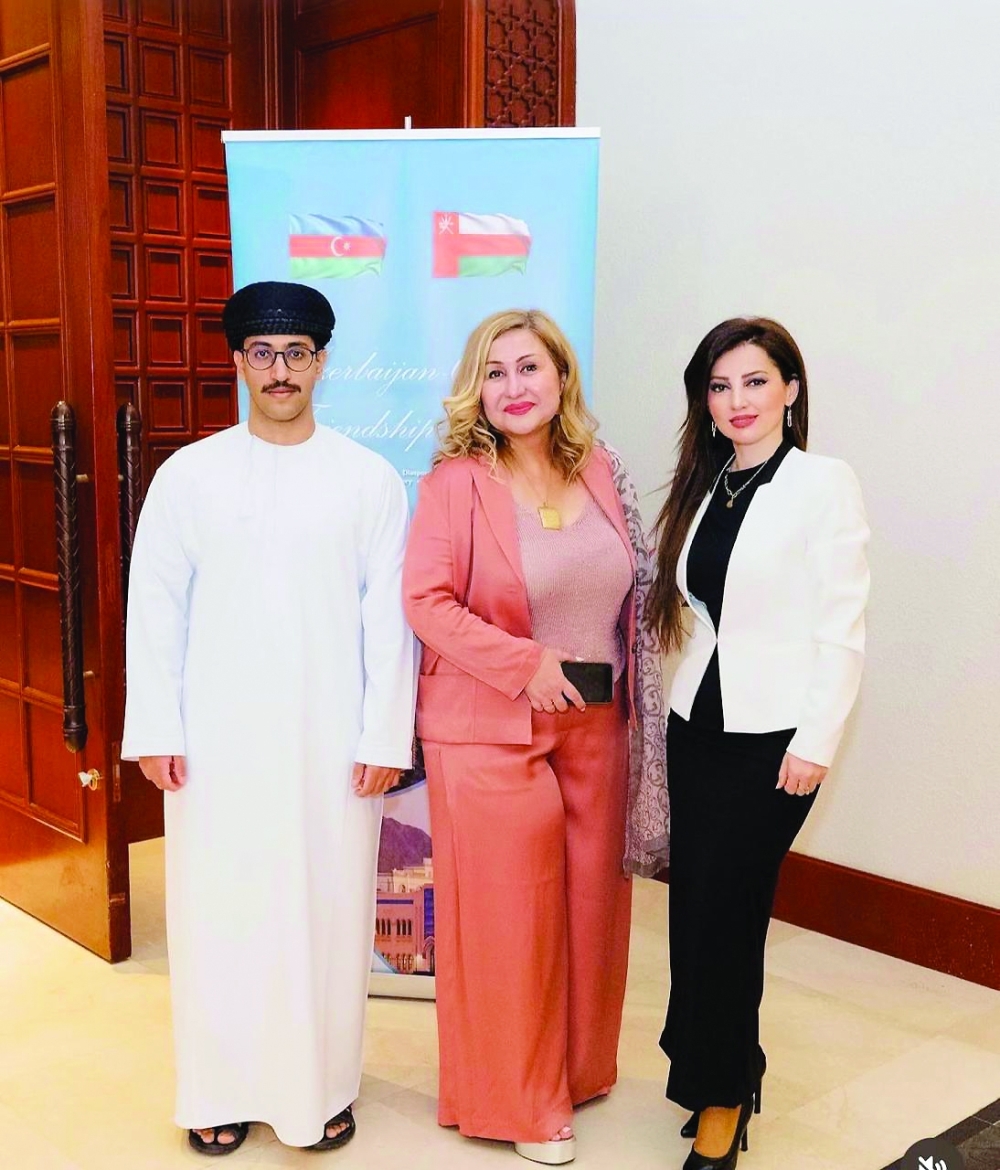
“Exams alone don’t make a musician - a student needs the stage,” she said. “That combination builds both technical skill and genuine musical confidence.”
"Every great musician begins with a single note, played imperfectly. What matters is practicing with intention, and trusting that discipline and passion, over time, become mastery. Oman has extraordinary young talent - I’ve seen it firsthand - and the world is ready to hear it," she said.
For Dr Saida, the classroom has also become an instrument of quiet diplomacy. Regular collaborations with the Azerbaijani, Russian and Turkish embassies have turned recitals into cultural gatherings, none larger than last year’s Azerbaijan-Oman Friendship Concert, which drew roughly 300 guests.
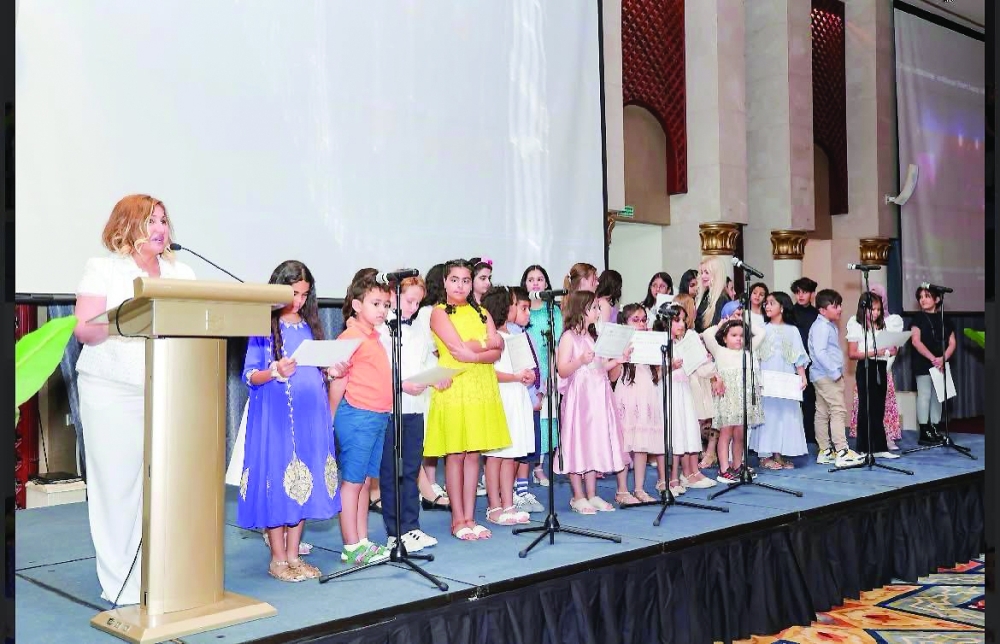
“That, to me, is what cultural diplomacy through music looks like,” she said. The evening capped a busy year that also saw her honoured with a medal of the Republic of Azerbaijan and invited to address the Forum of Azerbaijani Cultural Ambassadors in Türkiye.
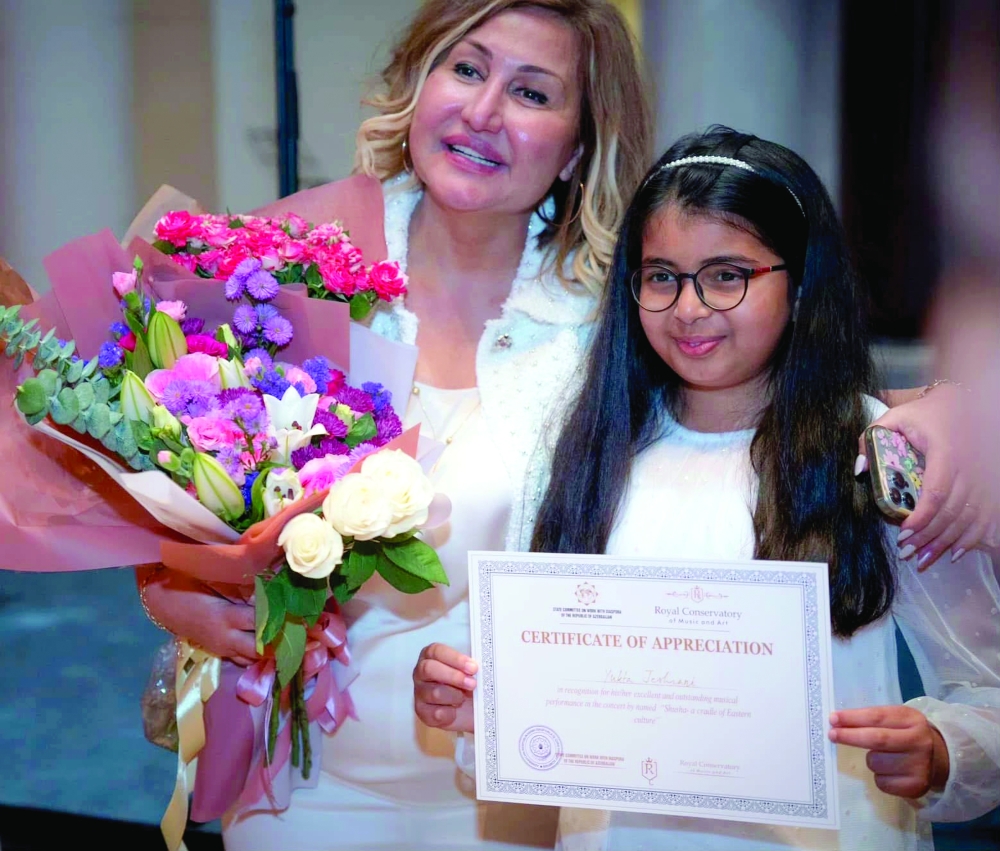
Her students describe the effect in strikingly similar terms - as much about character as about music. “She taught me that music is not just about playing the right notes, but about bringing out emotions in yourself and the audience,” said Suhana Kapur, a young pianist under Dr Saida’s tutelage. Yukta Jeshrani, who won a full scholarship in piano theory, credits her teacher with sharpening not just technique but nerve: “She has encouraged me to challenge myself, prepare for exams, and perform in concerts.” For Sahar Obada, the relationship runs deeper still. “She has been there for me every step of the way and has always supported me as I’ve improved,” Obada said. “She feels more like a kind mother to me than just a teacher.”
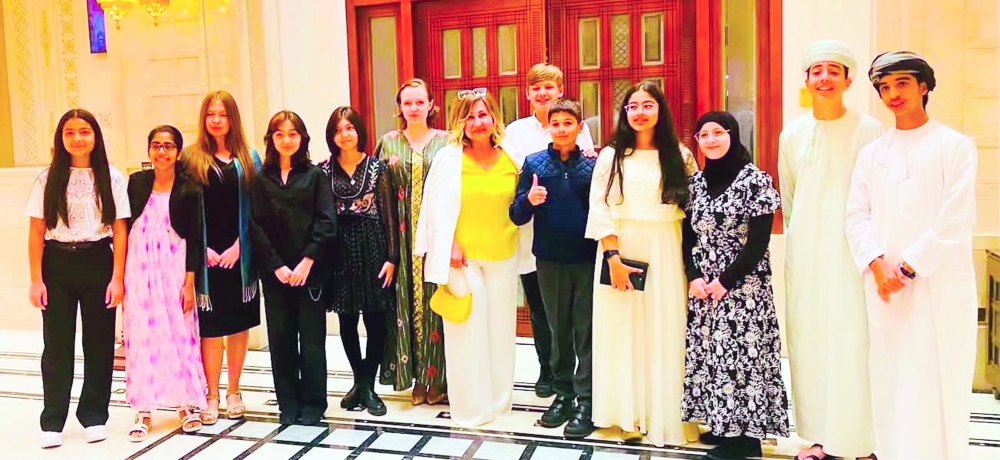
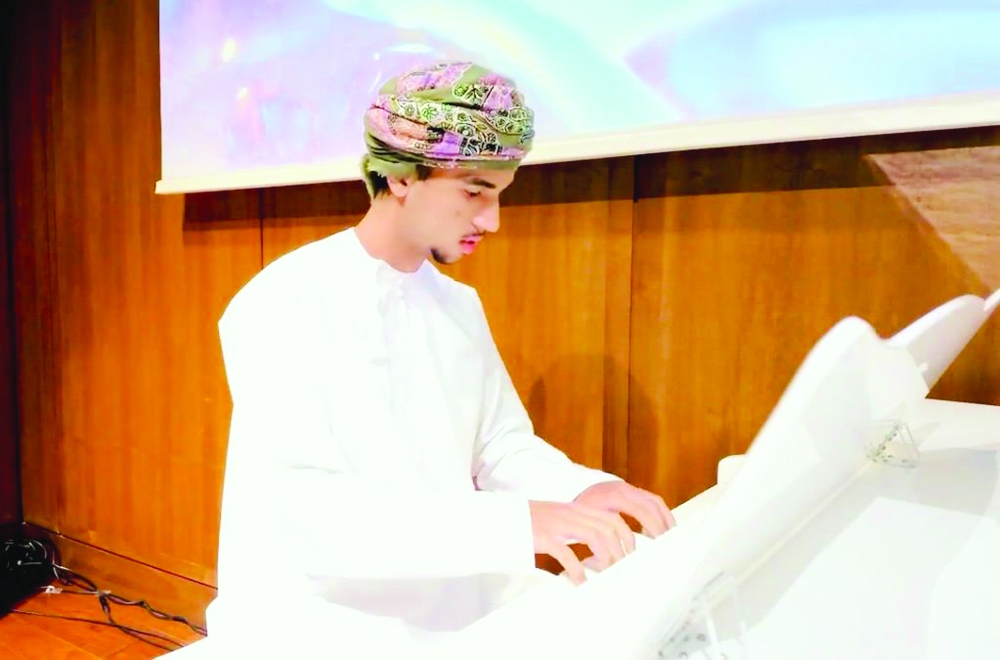
Bashar al Kathiri, who won first place in piano performance at the Muscat Governorate level in a Ministry of Education competition, traces his drive back to the instrument itself. “The sound of the piano inspired me and made me stand out among my peers,” he said, adding that his ambition now is simple: “to become the best pianist in the Sultanate of Oman.”
For Mona Abdulfattah Joudi, a young Lebanese pianist who began studying under Dr Saida, the conservatory has opened doors well beyond Muscat’s borders - from embassy concerts to masterclasses with visiting international pianists. Now preparing for her Trinity Grade 8 piano examination, Mona has performed at various venues in Muscat, in her own words, both her artistic skills and her confidence with each new stage.
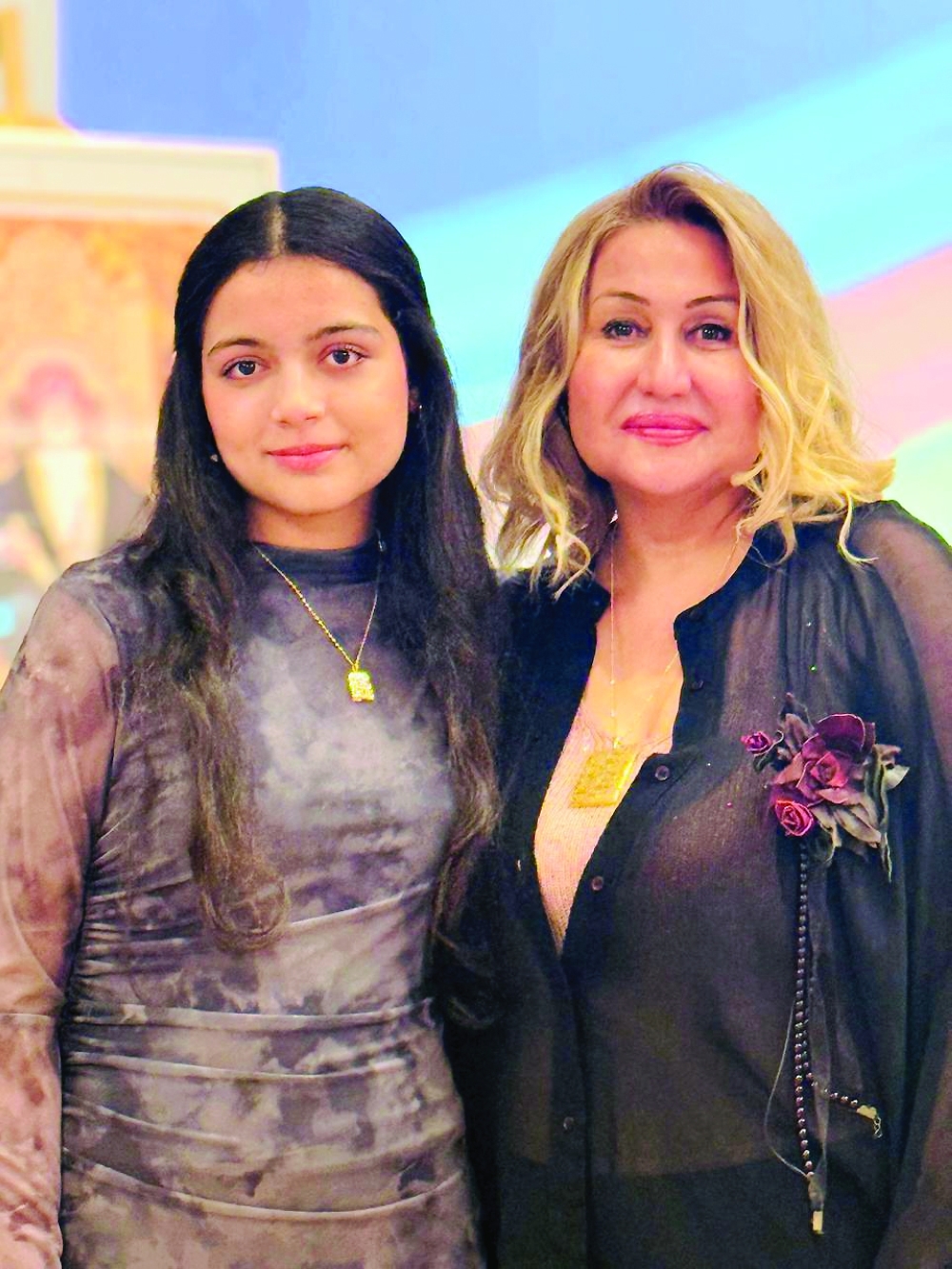
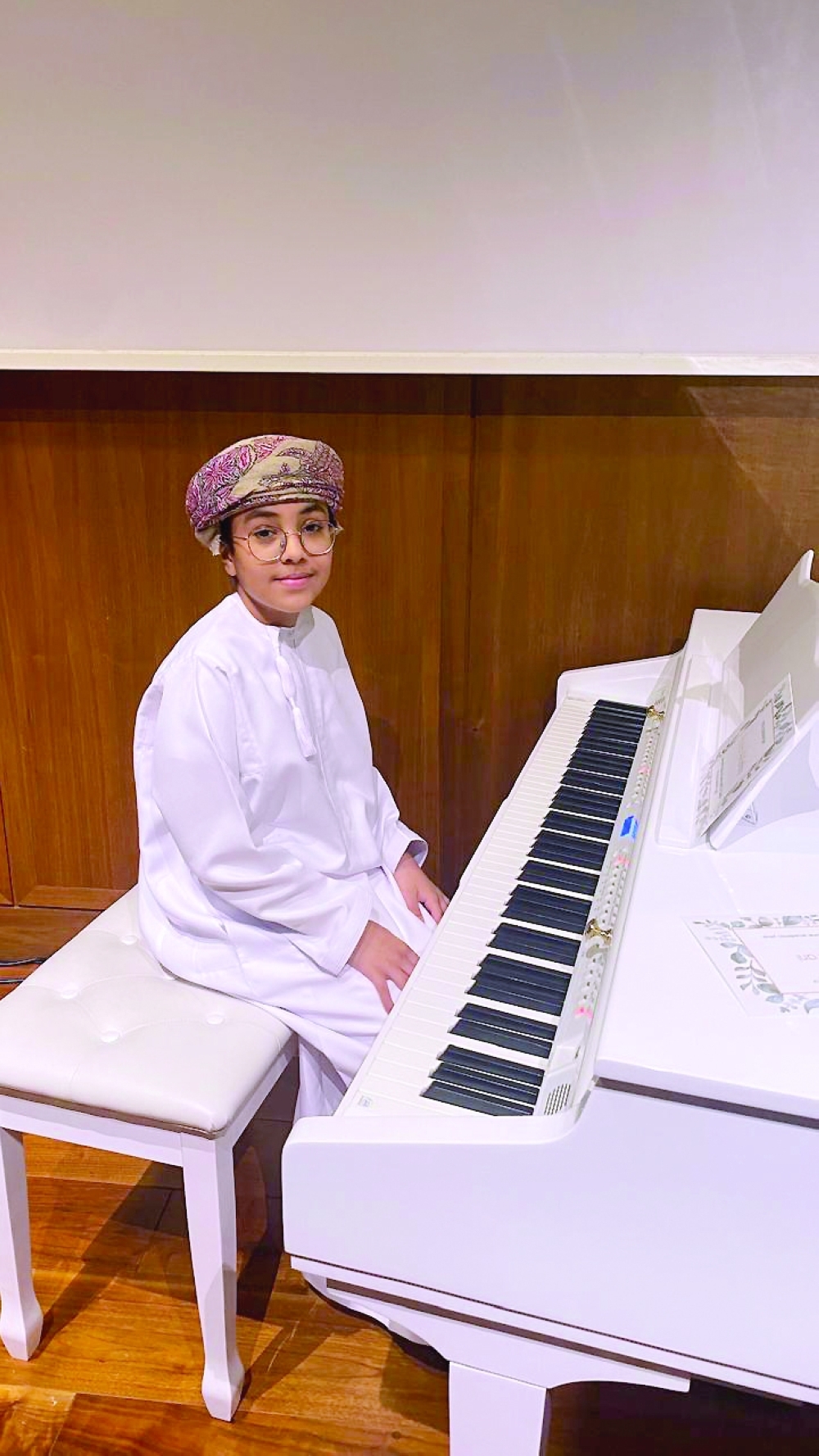
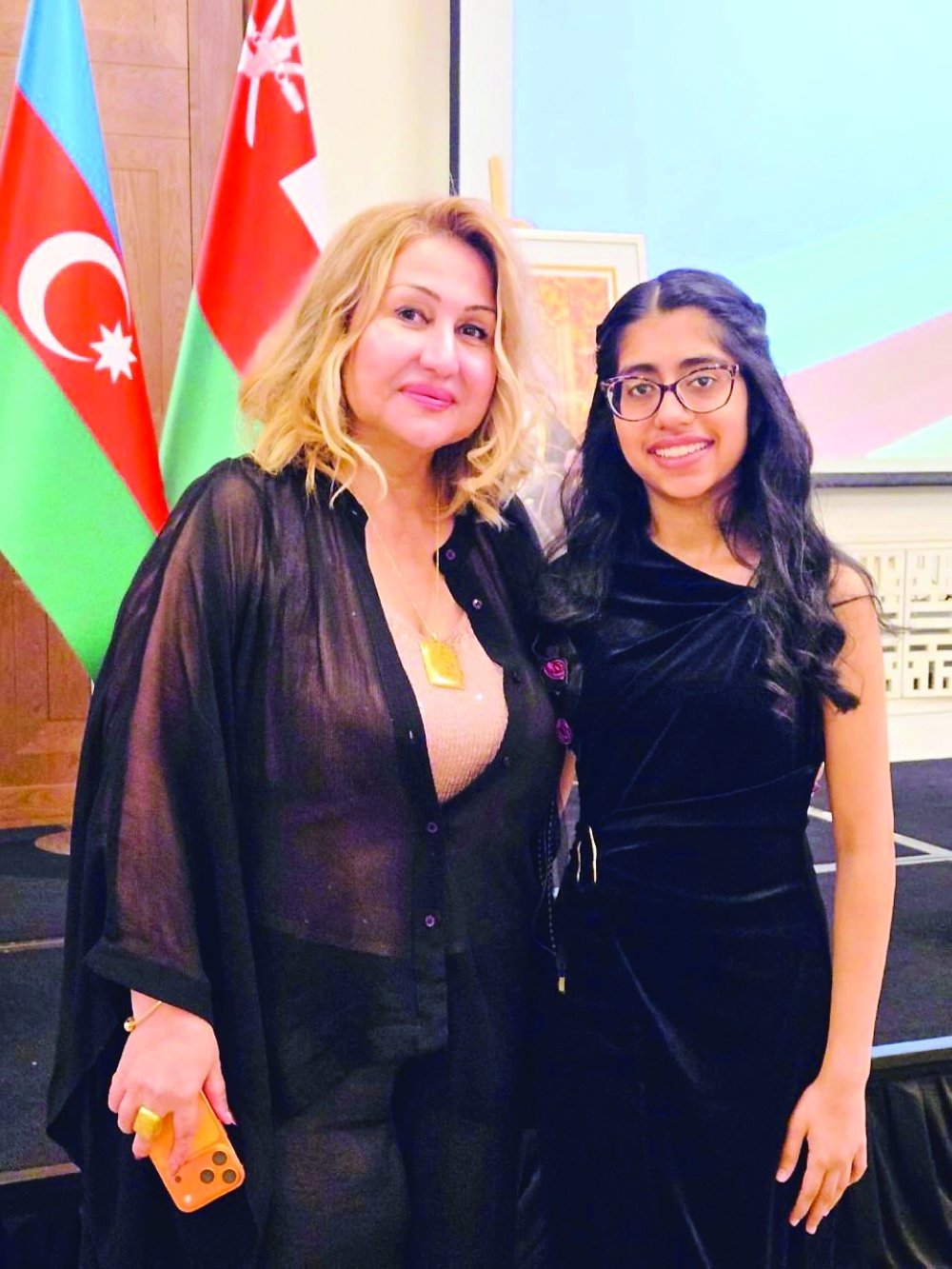
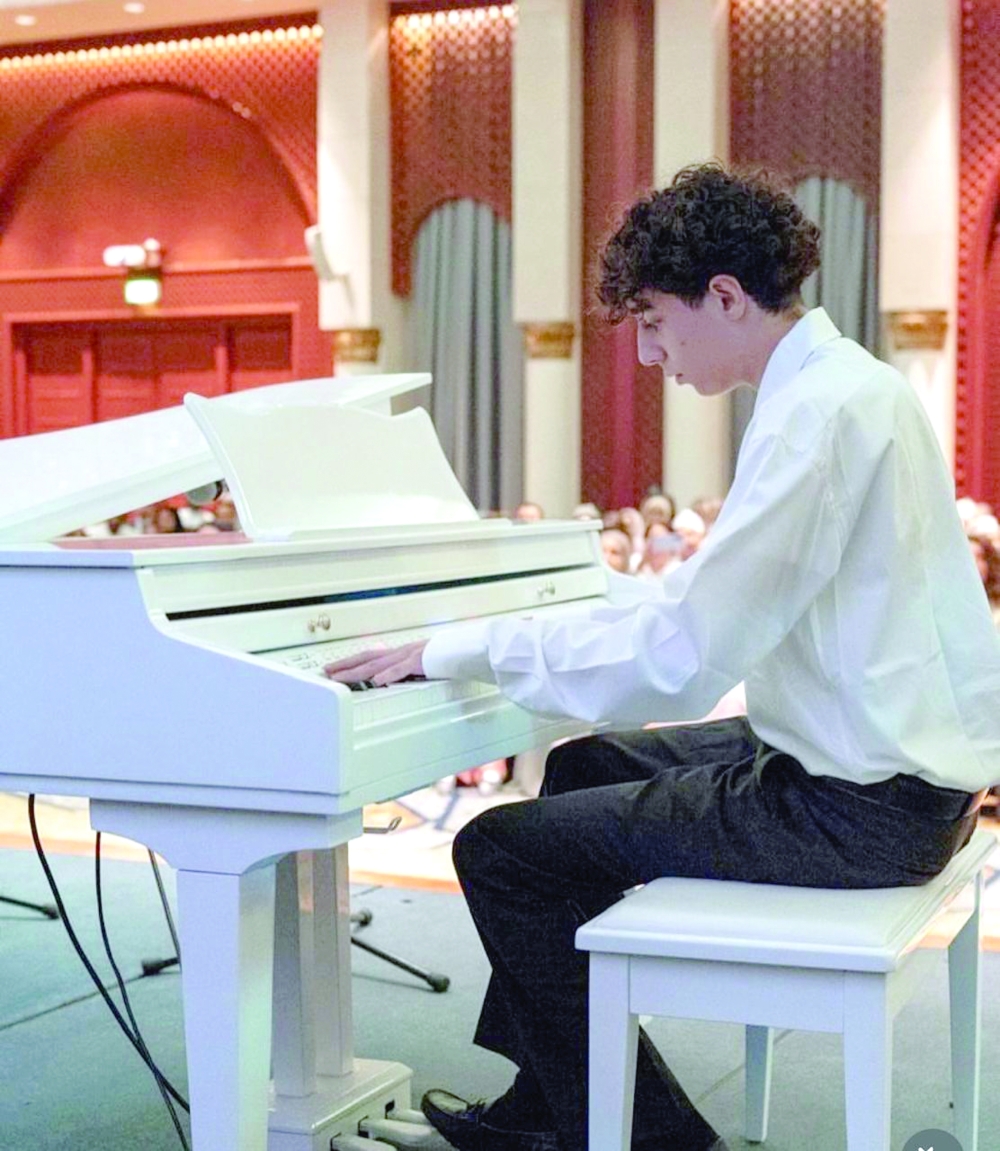
Other Omani students have also excelled under Dr Saida’s training and guidance, including Hamed Sulaiman, Al Reem Saud Mohamed Bahwan al Mukhaini and Adam Hani Mirza. Their progress and achievements, alongside those of her international students, reflect Dr Saida’s commitment to developing young musical talent in Oman and helping her students build both technical ability and confidence.
With several students now working toward advanced international diplomas, Dr Saida’s next ambition is bigger still: bringing an international piano competition to Oman itself, and, with it, cementing Muscat’s place on classical music’s map.
Oman Observer is now on the WhatsApp channel. Click here