




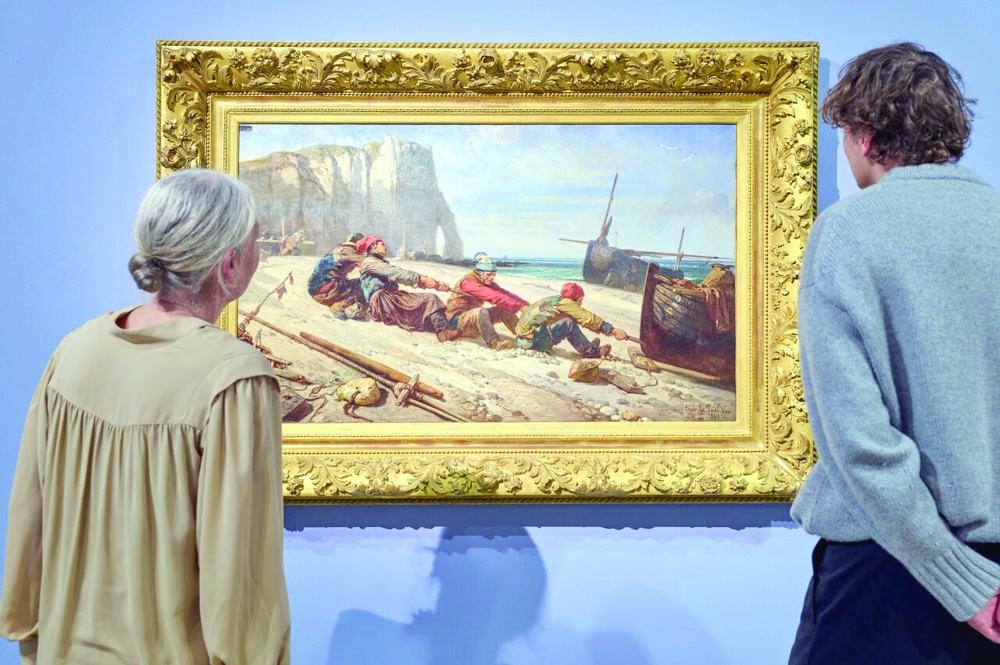
There is a particular kind of hush that falls over a room full of Monets, even when that room is packed shoulder to shoulder with visitors. I felt it first-hand on a recent trip to Frankfurt, where I was fortunate to catch the closing weeks of Monet on the Normandy Coast: The Discovery of Étretat - an exhibition that, by the time it closed, had drawn more than 252,000 visitors to the Städel Museum.
My evening began not inside a gallery but outside one, on a bridge over the River Main. As part of a barrier-free riverside tour titled “Monet & the Main”, organised by the German National Tourist Board (GNTB), certified tour guide Ute Diehl walked us through the river’s role in shaping Frankfurt’s skyline and civic identity - a fitting overture, I thought, to an exhibition built entirely around a landscape’s power to define a place.
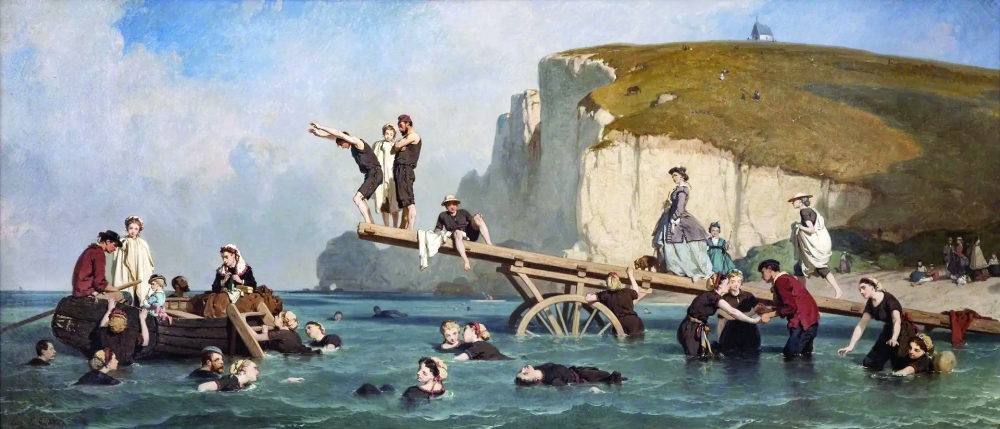
That place, in Monet’s case, was Étretat: a modest fishing village on the Normandy coast whose dramatic chalk cliffs and arched rock formations drew him back repeatedly during the 1880s.
Inside the Städel, I was guided through the galleries by Dr Corinne Elsesser, an art historian and English-language translator who works freelance with museums, artists and architects. She holds a PhD in art history from the University of Zurich, where her doctoral research focused on abstraction in fine arts and architecture. Her academic background and experience across art, architecture and translation brought an especially thoughtful perspective to Monet’s relationship with landscape.
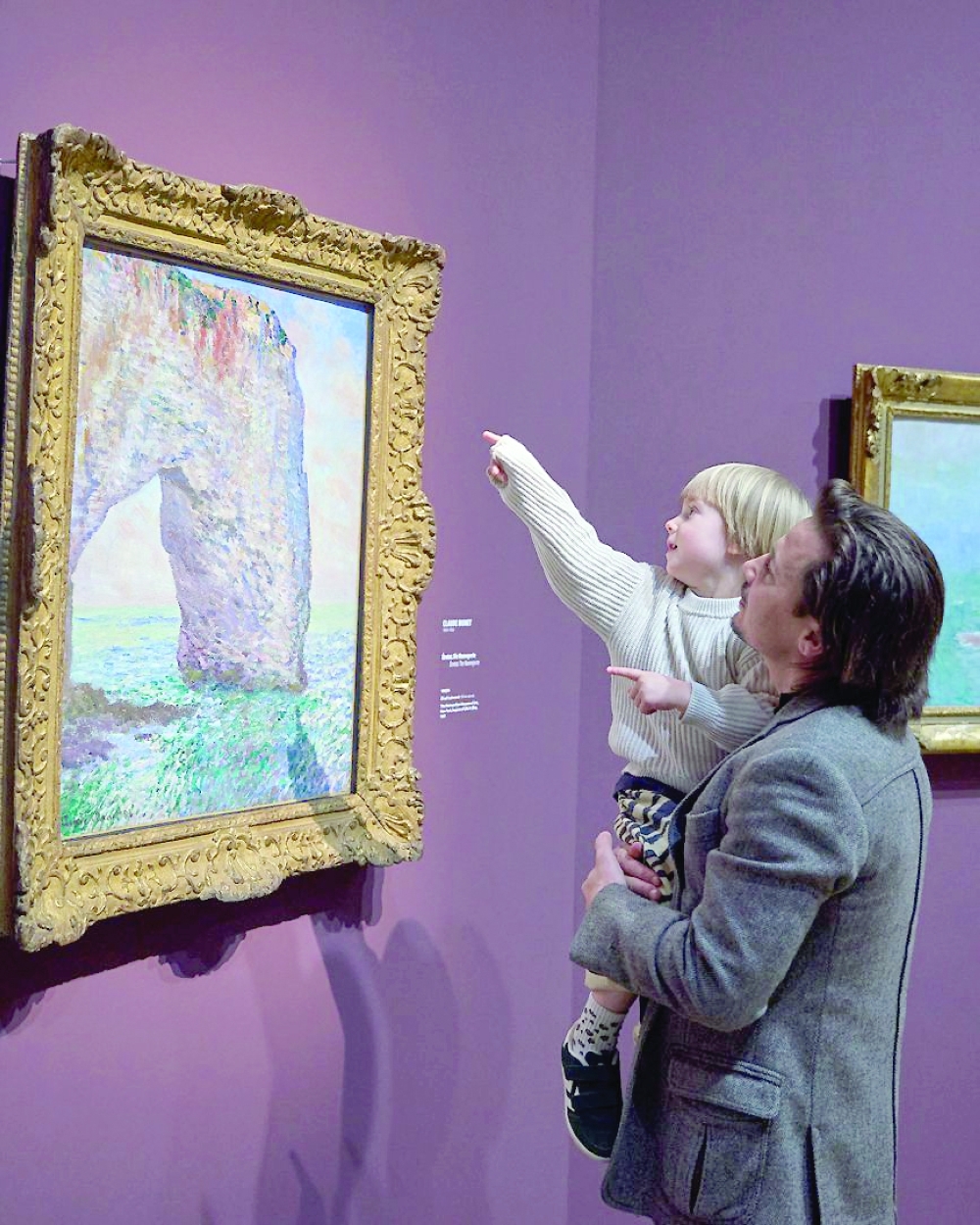
“Étretat was hugely important for Monet’s work, especially during his stay there in 1883 and the years that followed,” she told me, threading a path between clusters of visitors leaning in for a closer look at the canvases.
It was there, she explained, that Monet sharpened his Impressionist technique, turning his attention fully towards landscape and developing his now-famous practice of serial painting - returning to the same view again and again to capture the constantly changing effects of light.
“Étretat sheds light on a place that became a kind of hotspot for French artists throughout the 19th century,” Dr Elsesser said of the exhibition’s significance. “The artists discovered Étretat and made it known through their paintings.”
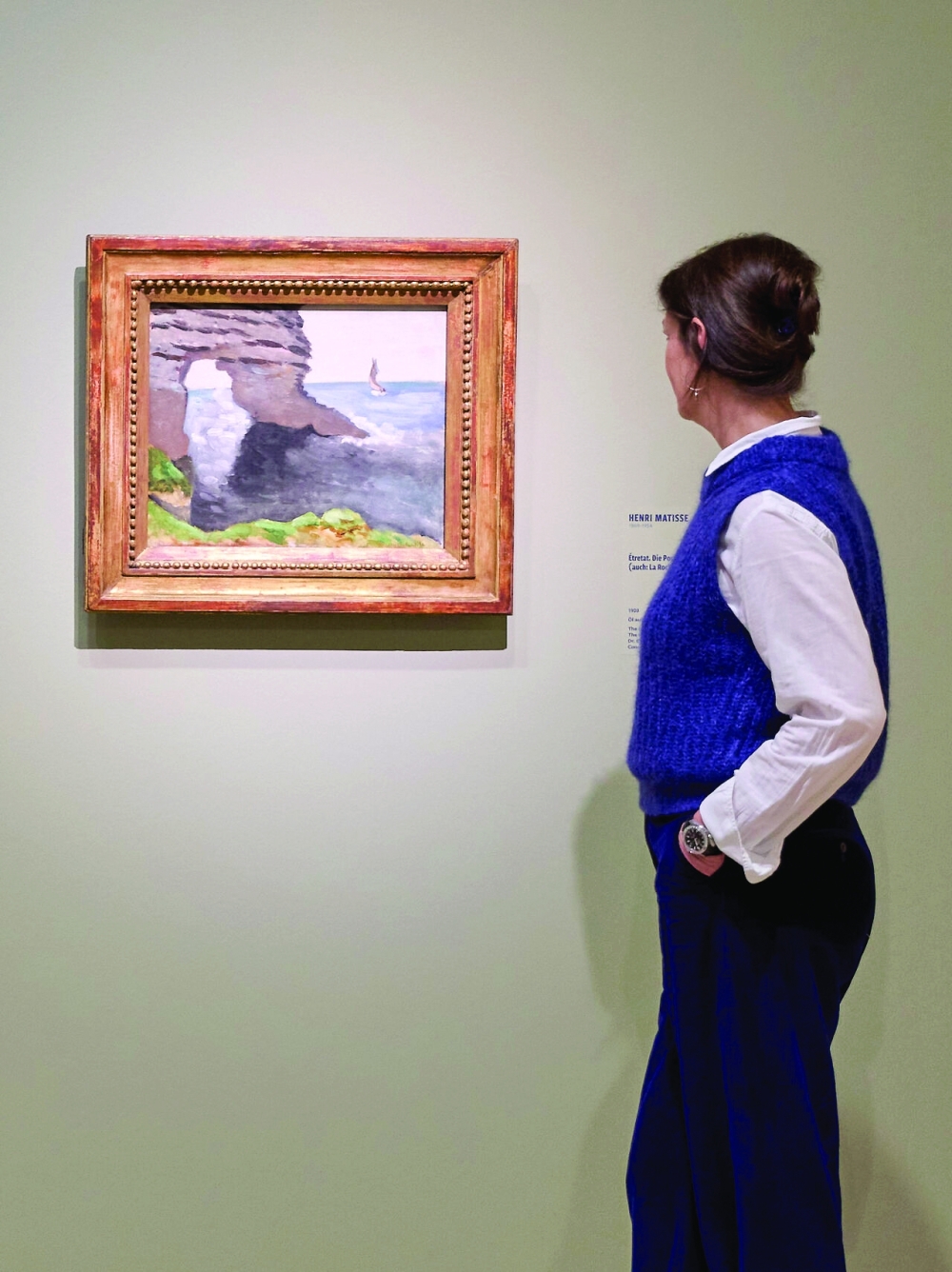
Her own academic interest in abstraction and the relationship between art, architecture and space offered an interesting counterpoint to an exhibition rooted in the observation of nature. Monet’s work, while firmly grounded in the visible world, demonstrates how an artist can move beyond simply reproducing a landscape to explore light, colour, atmosphere and perception.
The scale of the exhibition backed up the importance of Étretat in the history of art. Around 170 works - paintings, drawings, photographs and historical documents - filled the galleries, including 24 paintings by Monet alongside works by Gustave Courbet, Eugène Delacroix and Henri Matisse.
Together, they traced how one stretch of Normandy coastline became a magnet for artists and how their interpretations helped transform Étretat from a relatively modest fishing community into one of France’s celebrated artistic landscapes.
Speaking about the exhibition’s closing, Städel Museum director Philipp Demandt called it “a real crowd-puller” and a “resounding success”.
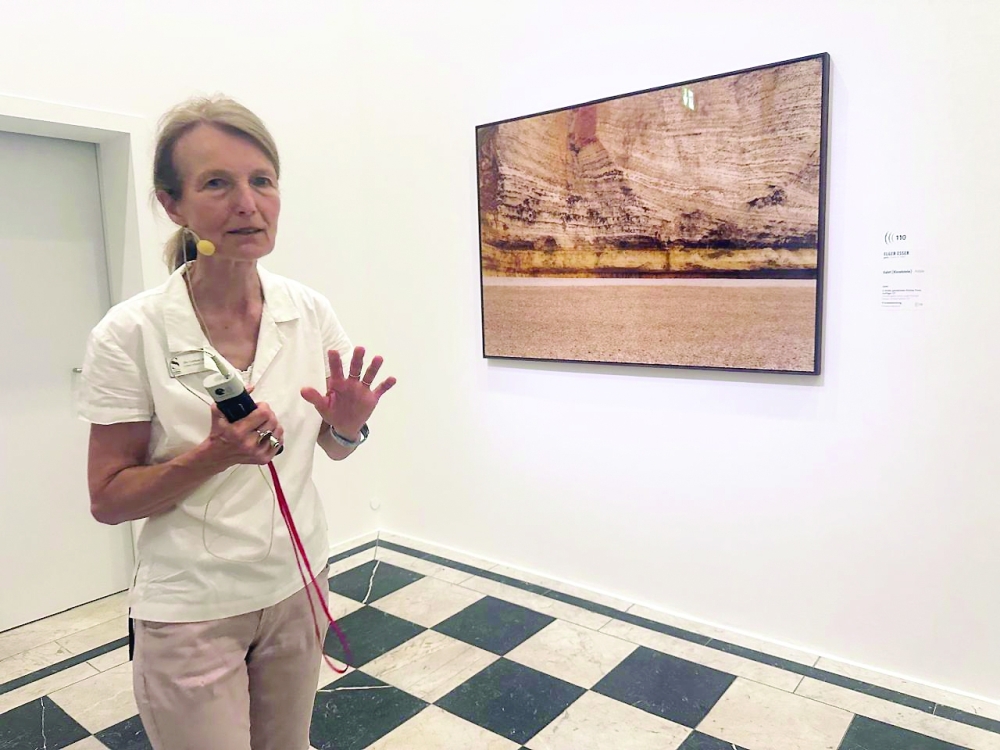
“We are delighted that, with more than 250,000 visitors, the exhibition will go down as one of the most successful in the history of the Städel Museum,” he said. “My special thanks go to our visitors from near and far, as well as to all the generous patrons and supporters who made this project possible.”
Demandt said the exhibition also reflected the museum’s broader ambition to present art history through fresh and engaging perspectives.
“The Städel Museum has once again demonstrated its ability to captivate audiences by offering diverse approaches to previously unexplored themes in art history,” he said, adding that the museum’s upcoming autumn exhibition, Mary Magdalene. Sin. Pray. Love., would continue that exploration of “extraordinary art-historical themes”.
The visitor numbers were striking. The exhibition became the Städel’s most successful in a decade, ranking among the most successful exhibitions in the museum’s history, alongside shows such as Making van Gogh in 2019.
Extended opening hours were introduced during the final weeks to accommodate demand, while more than 27,000 people participated in guided tours and workshops throughout the exhibition.
For me, the evening ended the way any good museum visit should: on the Städel’s rooftop, phone out, Frankfurt’s skyline glowing behind me and the Main curling past below.
Photos by Norbert Miguletz, Stadel Museum
Oman Observer is now on the WhatsApp channel. Click here