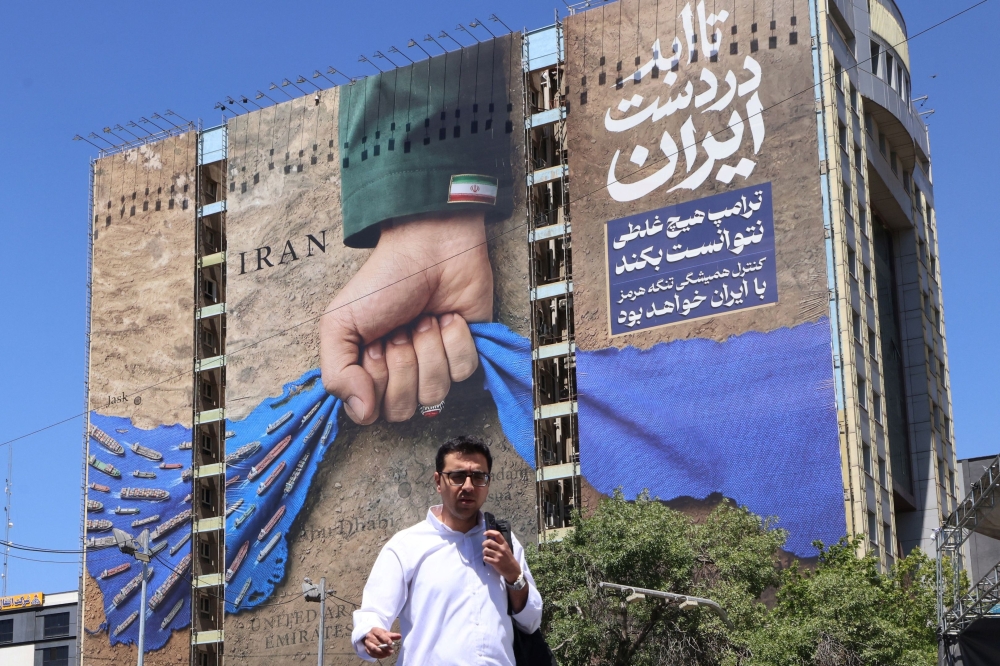
It is interesting to observe how experts and media narratives surrounding the 2026 US-Israel-Iran war have largely focused on portraying Iran as the antagonist. Yet the central issue is how this conflict exposes political, economic, and diplomatic tensions.
It is necessary to distinguish between events and facts, and the interpretations placed on storylines. It is vital to note that on February 28, 2026, the United States and Israel launched missile attacks on Iran, even though international observers and mediators believed a breakthrough was about to materialise.
The United States president, Donald Trump, justified the military strikes as necessary to eliminate an imminent threat. He cited the need to permanently stop Iran from acquiring a nuclear weapon, destroy its ballistic missile and naval capabilities, and end its regional support for armed groups. Iran responded with retaliatory strikes targeting Israel and other neighbouring countries that host US forces or assist the US in conducting strikes. These are facts, not opinions, nor fiction! Half a year later, a military operation initially anticipated to be brief continues. Multiparty negotiators remain in back-and-forth dialogue, marked by threats followed by a retreat from a diplomatic solution: bombing while negotiating. The new dynamic of the conflict has moved toward the Strait of Hormuz, with oil and the global economy held hostage, echoing 1973 when Arab oil producing nations cut petroleum supplies and imposed embargoes as a diplomatic tool against countries supporting Israel.
That is when the relevance of diplomacy becomes apparent, or not, as in politics the end justifies the means. Modern diplomacy, as a process for peace dialogue, is moving away from pragmatic-based bargaining. Instead, it is prioritising the interests of business corporations and employing unilateral coercion, with relations increasingly framed as competition.
There are fundamental reasons to explore the metamorphoses in current diplomacy, particularly when the scope of negotiations fluctuates in its achievements, broadens, or includes miscalculations, and amid a lack of expertise across the various fronts of such a complex situation. That is when we once again see the transformation of diplomacy in the Gulf states: national interests and flexible alliances come into play.
To better understand the current situation, it is helpful to look at a few details of past context. Historically, Gulf states have prioritesed collective consultations within the Gulf Cooperation Council (GCC) and direct high-level discussions. This approach aimed to prevent regional conflicts from interfering with domestic economic transformations and disrupting global trade. The creation of the Gulf Cooperation Council in 1981 emerged as a tool for closer security and diplomatic coordination.
The establishment of full sovereignty for the Arab Gulf nations following the British military withdrawal from the Gulf in 1970 required these young nations to develop their diplomatic corps quickly and manage relations with larger neighbouring countries. From the start, Oman has set a precedent with a unique diplomatic doctrine that remains effective today, characterised by strict non-alignment, the cultivation of security ties with Western nations, and the maintenance of open communication channels with various regional actors.
As British influence receded, the United States gradually increased its diplomatic, economic, and security presence in the Gulf, positioning itself as the main guarantor against Soviet influence and regional instability. Following the end of the Cold War's bipolar structure, regional independence emerged, with global powers interacting via economic and pragmatic avenues.
One consequence of the current US-Israel-Iran war is that the Gulf states are inclined to reduce their reliance on a single superpower and instead pursue diversified, cross-border relationships. The changing points to adaptations toward regional normalisation, economic integration, and strategic alignments.
The gap between the sides in this conflict lies between Washington’s objectives and the Gulf states’ consistent priorities, which include preserving space for diplomatic options and safeguarding national interests, rather than pursuing confrontational politics or rigid divisions that could jeopardise ongoing major projects.
Oman Observer is now on the WhatsApp channel. Click here