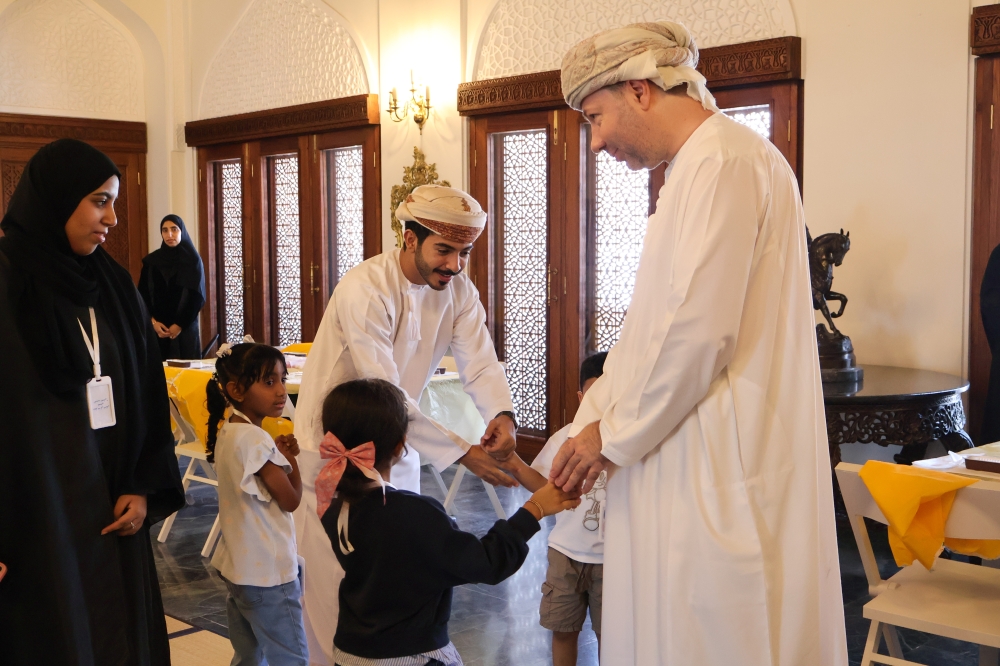





The National Museum, represented by the Bayt Al Greiza Department, has concluded the first edition of its summer forum "Al Samt Al Omani" on Wednesday, August 26, 2026, following two weeks of activities aimed at instilling values of dignity and pride in national identity among children and young people, through an educational experience that combines knowledge with practice.
The forum marked one of the first major public programmes hosted at Bayt Al Greiza, a house built on a site dating back to 1597, later transformed from a residence into a state house when Muscat became the capital of Oman and which opened to visitors on a trial basis only in January this year. Notable for embodying the architectural style of Masqat Intramuros the venue offered participants a setting where heritage was not simply described to them but surrounded them. The forum was held across two periods; the first for children aged five to seven from August 16 to 20 and the second for young people aged eight to twelve from August 23 to 26, with activities designed to suit each age group and enable learning through experience and discovery.
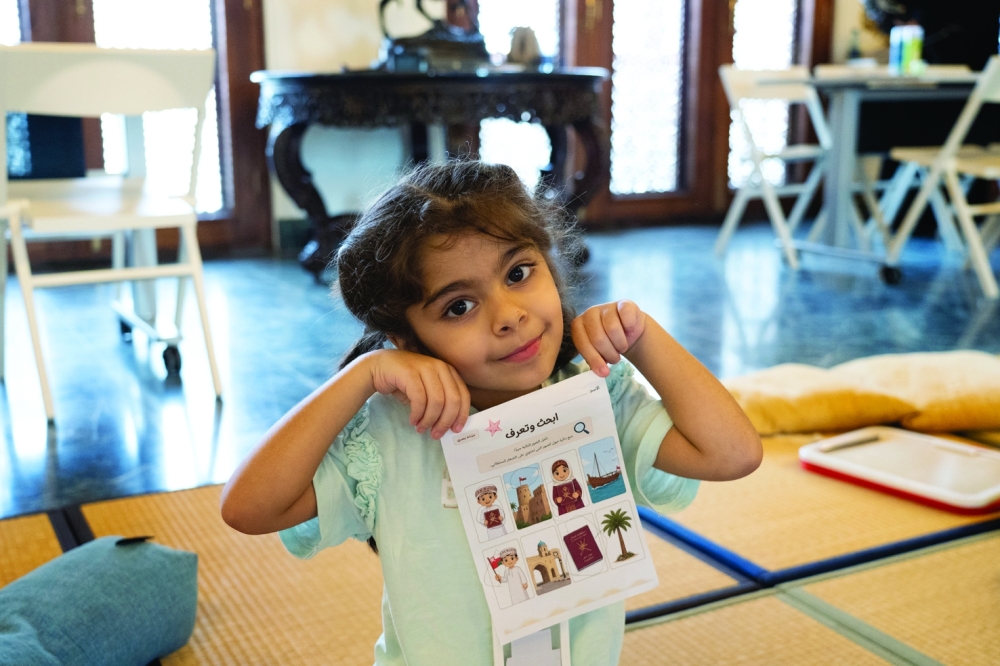
Hajir bint Ahmed Ambuali, Director of the Bayt Al Greiza Department at the National Museum, explained that holding the forum for the first time reflects the museum's commitment to offering educational and cultural experiences that bring children and young people closer to the elements of Omani identity, through approaches that combine knowledge, practice and discovery. She noted that the forum attracted a level of interest that exceeded expectations despite the venue being new and located at some distance, describing this as an indicator of family engagement and growing interest in such programmes. She stressed that staff members accompanied participants closely throughout the forum, following their activity and energy in a way that ensured a safe and stimulating environment.
She added that choosing Bayt Al Greiza to host the forum gave the experience a distinctive sense of place, given the house's historical and cultural value, explaining that the programme helped transform concepts of heritage and identity into a living, tangible experience. She expressed her hope to continue offering distinctive programmes that strengthen the connection between new generations and their heritage.
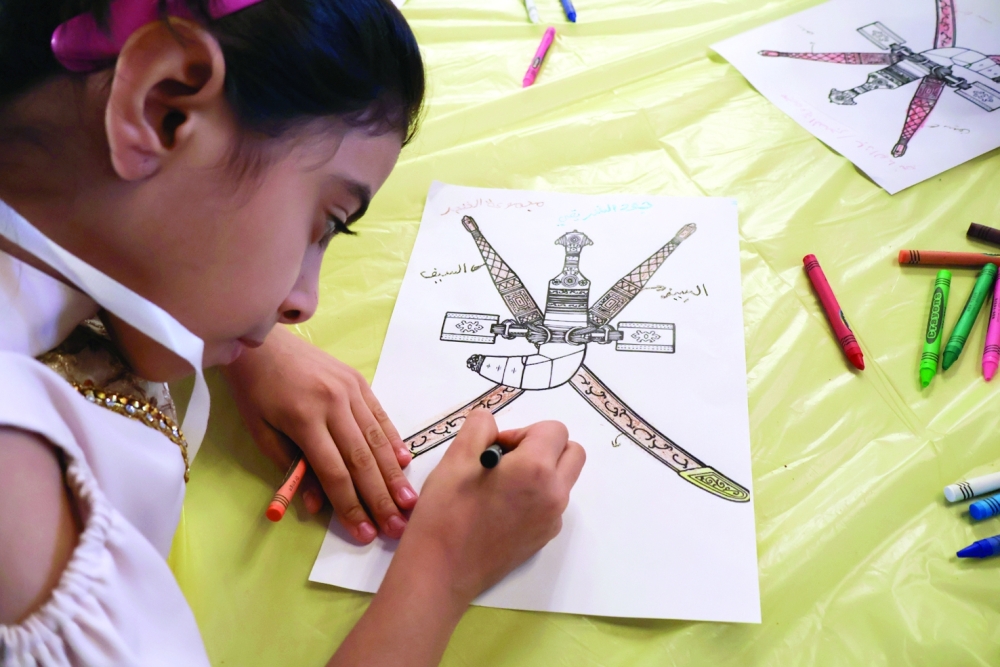
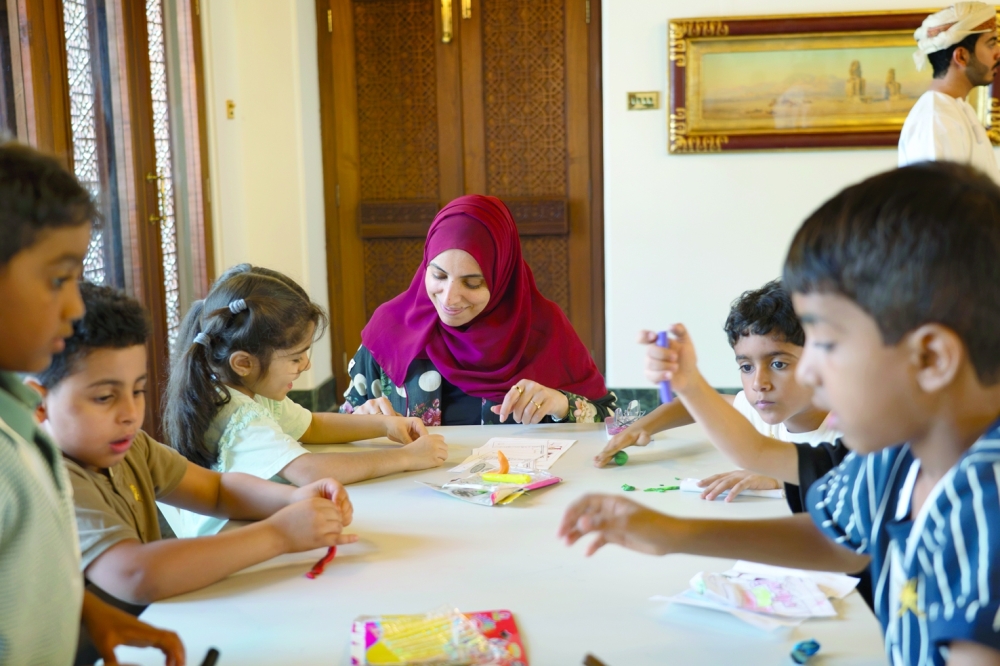
The forum covered a number of practices associated with Omani etiquette through artistic workshops and hands-on activities, including the etiquette of welcoming and bidding farewell to guests; and banquet and hospitality customs, presented through role-play scenes in which participants identified the correct conduct according to Omani tradition. Activities also included an introduction to national symbols and traditional dress from across the governorates, an exploration of the artistic qualities of Arabic calligraphy and ornamentation and practical seedling planting. The forum also featured a workshop titled "A Journey into the World of Coins", in which participants were trained in the principles of preventive conservation and the practical cleaning of coins, alongside interactive activities that encouraged a spirit of adventure, such as a treasure hunt and map reading.
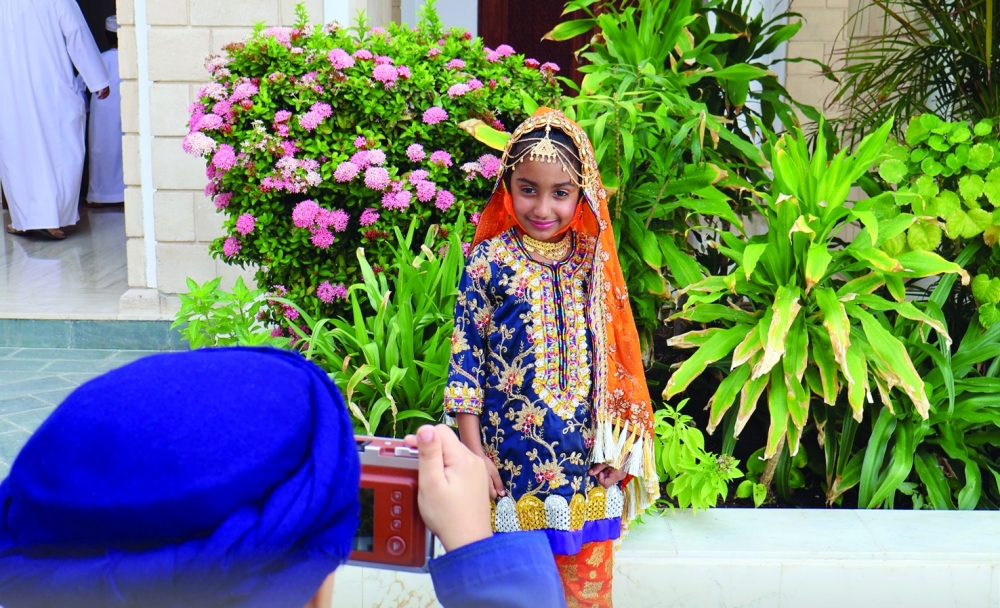
Participants expressed their delight with the experience. One spoke of learning about indoor and outdoor plant varieties and how to care for them, alongside planting flowers and observing the stages of caring for museum pieces inside the laboratory. Others described cleaning old metal coins, painting pottery and plant pots, designing the national emblem and assembling the components of traditional Omani dress. Several noted what stayed with them most, from the etiquette of welcoming and bidding farewell to guests, to proper seating and dining conduct, formal banquet arrangements and the etiquette of gatherings and greetings.
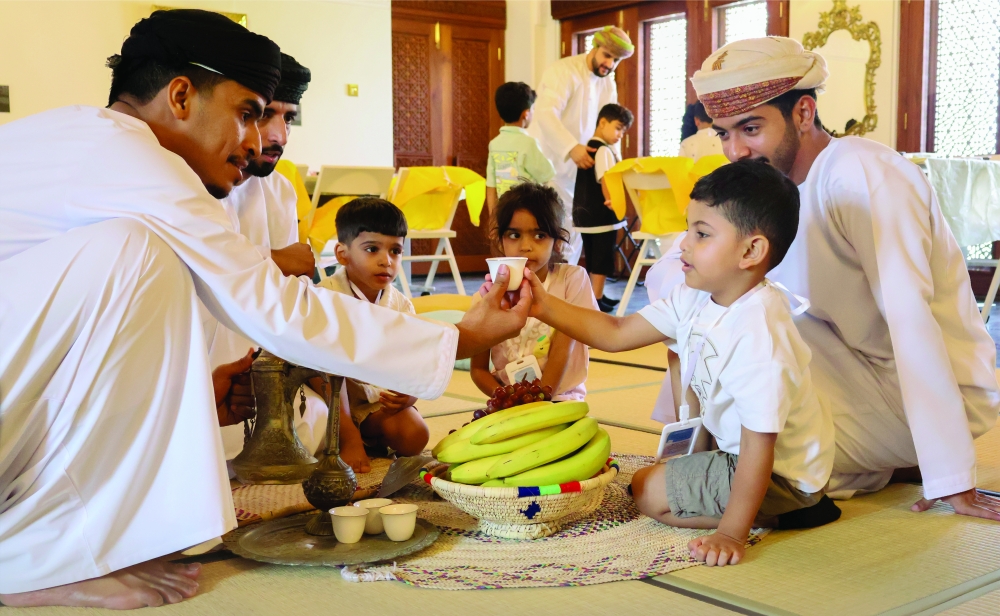
Among parents, the guardian of Jubair and Huthaifa praised the focus on Omani etiquette and the way it connected children to their identity and heritage through a practical and enjoyable approach, rather than rote instruction. He noted that his children were not merely listeners but practised and experimented themselves, which made the information more accessible and more likely to stay with them. He added that their daily enthusiasm to attend and the way they spoke about what they had learned upon returning home was in itself a testament to the success of the forum and those behind it, expressing his hope that such programmes would be repeated in future over a longer duration. The National Museum also received a number of letters of appreciation from other parents expressing their gratitude for the organisation and care shown to participants.
For a house that spent much of its history receiving heads of state and official delegations, hosting a group of children learning how to greet a guest, set a table and clean a coin marks a different kind of chapter, one where the building's own story and the lessons taught inside it point in the same direction.
Oman Observer is now on the WhatsApp channel. Click here