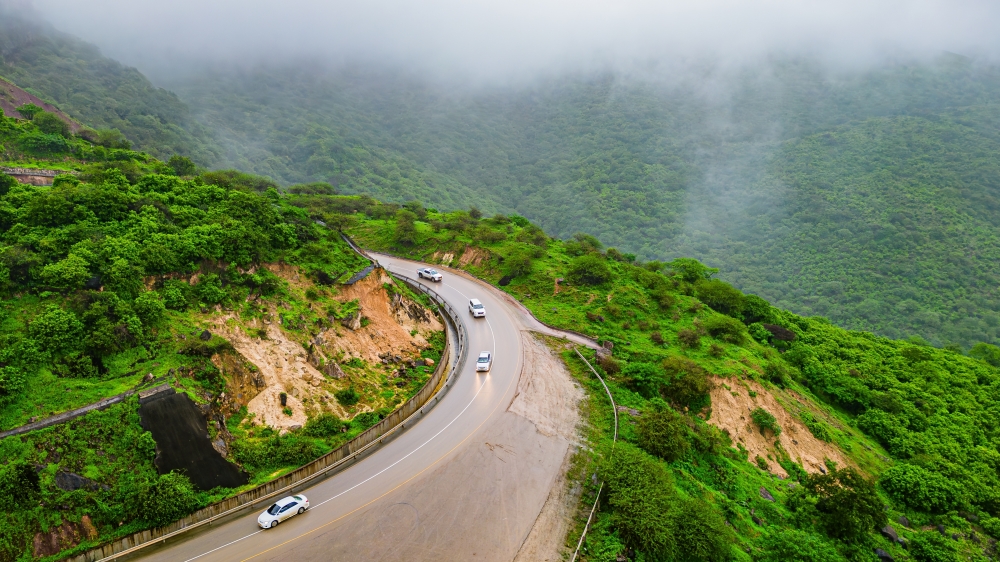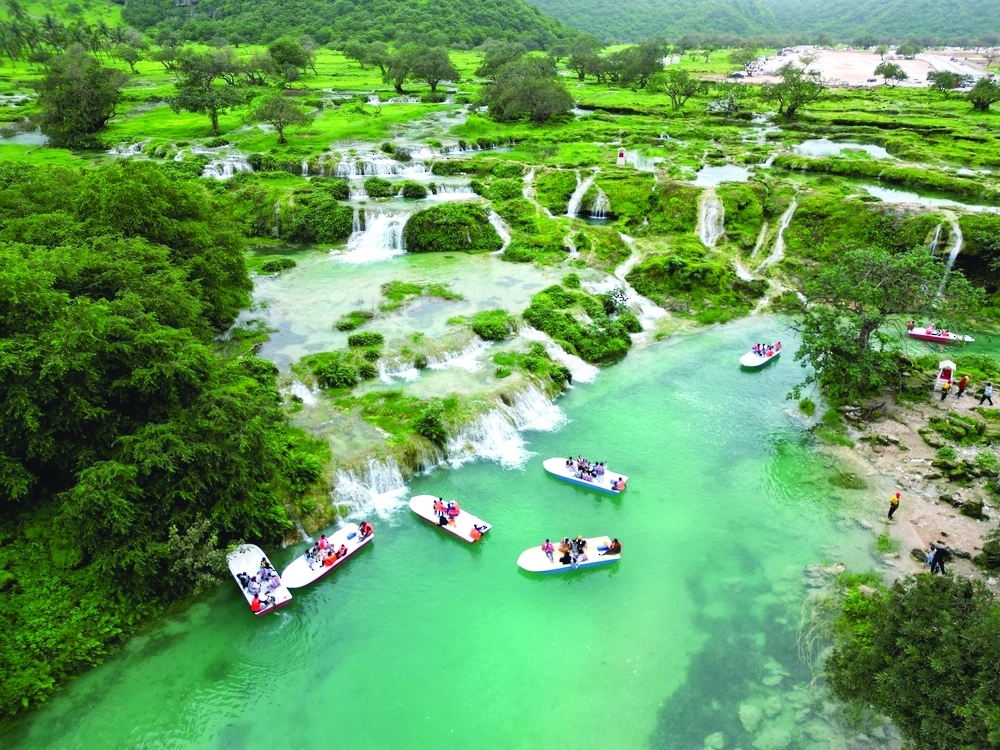





SALALAH: As the Khareef Dhofar Season continues to attract thousands of visitors, the growing problem of waste being abandoned in wilderness areas is raising concerns over its impact on the governorate’s fragile environment and wildlife.
Picnicking and camping are among the defining experiences of the Khareef season, when the cool, misty weather draws residents and visitors to green pastures, wadis and coastal areas. With Dhofar covering a vast area, many visitors seek secluded spots to enjoy the outdoors.
The concern, however, begins when they leave.
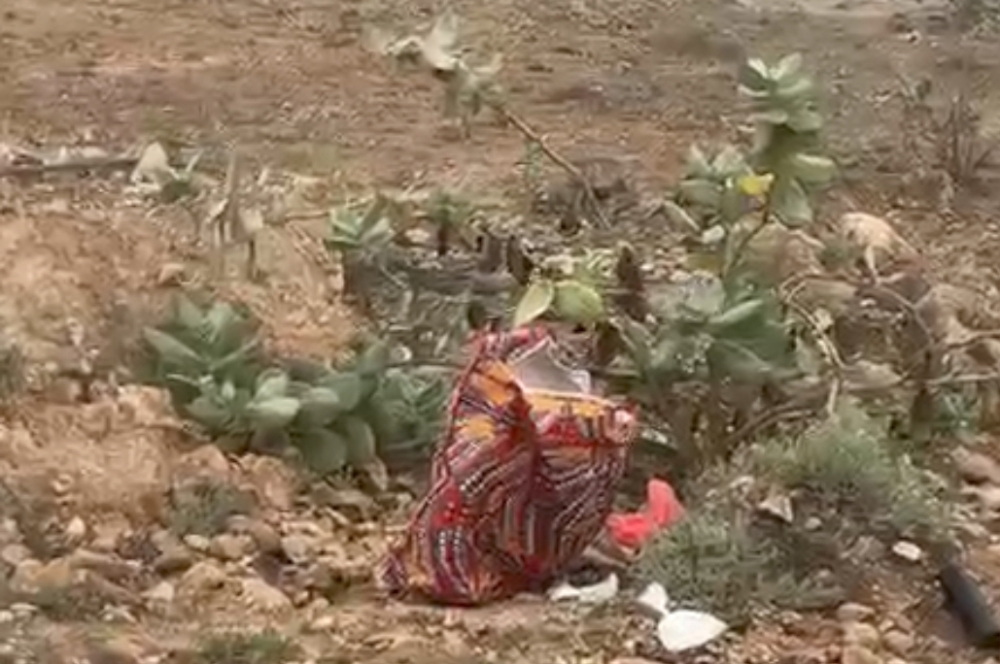
Ahmed al Mahrouqi, a resident of Taqah, recently came across waste abandoned by picnickers in an open area.
“Leaving trash behind is not just an eyesore; it is also dangerous to grazing animals. They could fall sick after consuming the materials,” he said.
He urged visitors to take their waste to designated garbage containers rather than leaving it in the wilderness.
Continuous efforts are being made by the Environment Protection Team, in coordination with Dhofar Municipality and the Royal Oman Police, to curb environmentally harmful practices during the monsoon season.
The authorities have received 156 reports concerning overflowing waste containers. However, dealing with rubbish abandoned in remote wilderness areas remains a greater challenge.
“We can enjoy the beautiful nature, but we should also be considerate of the animals. You see goats that are thin with big stomachs. Plastic abandoned in open areas can also be consumed by camels. It remains in their stomachs and can eventually prove fatal, leaving the animals unhealthy,” Ahmed said.
The World Economic Forum has warned that plastic ingestion affects more than 180 species of marine and terrestrial animals, posing a serious threat to biodiversity. Wildlife can consume plastic as a result of sensory confusion, leading to severe biological consequences.
Experts say ingestion of plastic can cause intestinal blockages, starvation and chemical poisoning in animals.
For Ahmed, a veteran adventurer known for crossing deserts with his camels, the underlying issue is human behaviour.
“Many people have talked and written about it, but nobody is listening,” he said.
The Plastic Soup Foundation has also highlighted the dangers of plastic waste to camels, noting that land-based litter can accumulate in their stomachs and form hardened masses, potentially causing starvation and death.
The question remains whether tourists and campers can help address the problem themselves.
Authorities have provided designated waste containers, but environmental protection ultimately depends on visitors using them and taking responsibility for the waste they generate.
The Environment Authority said the Environment Protectors Team in Dhofar, in coordination with Dhofar Municipality and the Royal Oman Police, has removed 3,914 vehicles from green spaces, dealt with 89 stranded or stuck vehicles and closed 250 unauthorised or blocked locations.
As Dhofar’s green season continues, authorities and environmental advocates are urging visitors to enjoy the governorate’s natural beauty without leaving behind a lasting footprint of waste.
Oman Observer is now on the WhatsApp channel. Click here