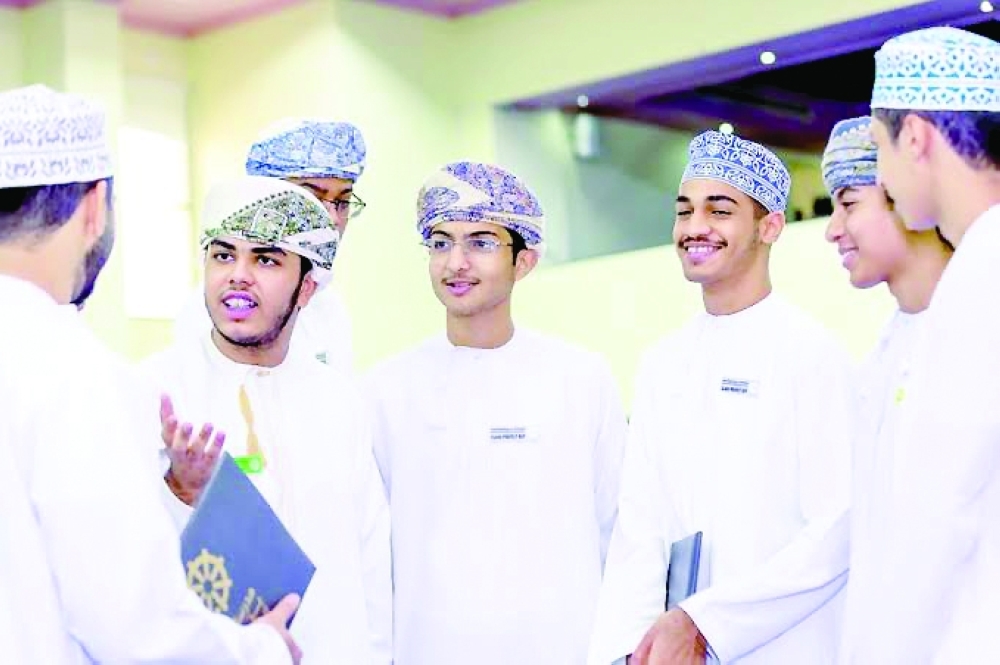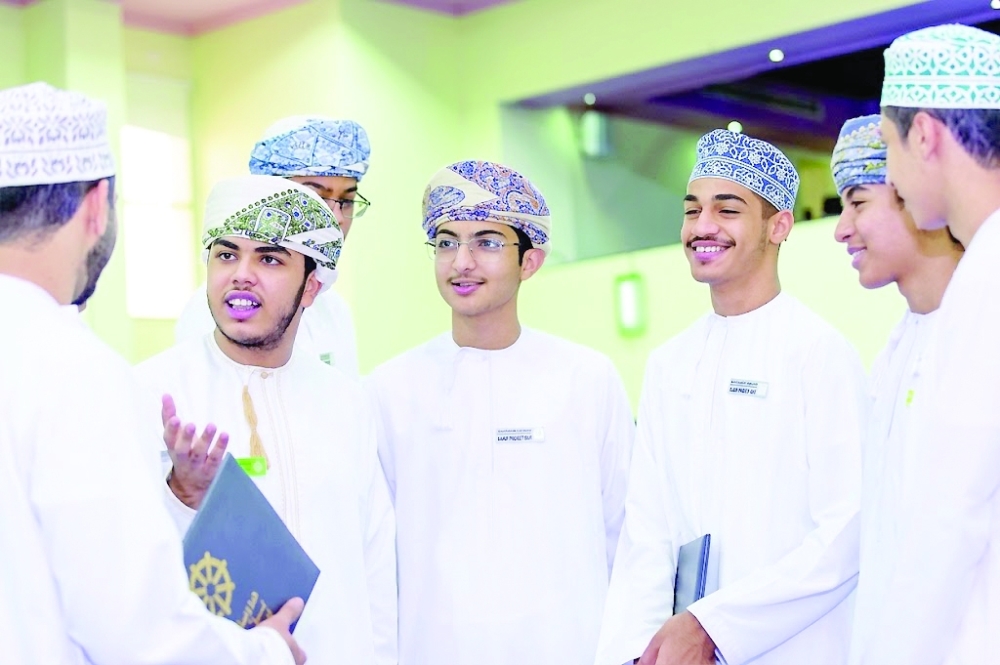





MUSCAT: The latest data issued by the Statistical Centre for the Cooperation Council for the Arab Countries of the Gulf (GCC-STAT) show that young people in the GCC countries have achieved advanced levels in a number of information and communication technology skills, outperforming their peers globally.
This reflects the impact of investments directed towards education and human capacity-building, driven by the increasing attention GCC countries devote to investing in education and developing youth skills, thereby enhancing their readiness for technological transformations and the requirements of the future labour market. Government expenditure on education in some GCC countries reached approximately 17 per cent in 2024, exceeding the global average of 12.6 per cent.
Information and communication technology skills are becoming increasingly important for young people amid the rapid transition towards the digital economy, given the opportunities they provide for empowerment in the labour market, stimulating innovation and entrepreneurship, and supporting lifelong learning, in addition to their role in protecting privacy and promoting responsible digital citizenship.
Data contained in the weekly bulletin issued on the occasion of International Youth Day indicate that GCC youth recorded a high level of proficiency in file-copying skills, reaching 100 per cent, compared with 54 per cent globally. The proportion possessing social networking skills stood at approximately 95.2 per cent, compared with 68 per cent globally. Meanwhile, the proportion of young people possessing privacy settings skills reached 75.9 per cent, compared with 34 per cent globally.
In the area of information verification, the proportion among GCC youth reached 61.6 per cent, compared with 24 per cent globally, while programming skills stood at approximately 31.8 per cent, compared with 6 per cent globally, highlighting the gap in the levels of basic and advanced digital skills possessed by GCC youth.
The emphasis on investing in education and developing human skills forms part of the GCC countries’ efforts to prepare a generation capable of keeping pace with technological transformations and labour-market needs, and to equip young people with the knowledge and skills that enable them to participate effectively in economic and social development.
These indicators are linked to the Sustainable Development Goals, particularly Goal 1 on ending poverty, through the target concerning the proportion of total government spending on essential services, including education, as well as Goal 4 on quality education, which seeks to substantially increase the number of youth and adults who have relevant skills, including technical and vocational skills, for employment, decent jobs and entrepreneurship by 2030.
These indicators confirm that investment in education is no longer limited to expanding access to knowledge, but has become a pillar of human capital development, enhanced competitiveness and preparedness for the requirements of the digital economy. The levels of ICT skills among GCC youth also reflect a trend towards building human capabilities that are better equipped for innovation, entrepreneurship and adapting to the rapid transformations in the labour market.
These findings are consistent with the 2026 Human Development Report’s emphasis on the importance of recognising differing contexts, strengthening global solidarity, investing in young people across different regions, and supporting those who face the greatest obstacles, thereby helping to ensure that no young person is left behind in the development process.
The data on ICT skills among young people in the GCC countries therefore emerge as an important indicator of growing investment in human capital, particularly as government expenditure on education in some GCC countries has risen to levels exceeding the global average. This has been accompanied by clear progress in digital skills, including programming, privacy, information verification and social networking—skills that have become essential for empowering young people to compete in the labour market and create their future opportunities.
Oman Observer is now on the WhatsApp channel. Click here