




The drive back to Muscat from Ras Al Madrakah is not one most people would associate with surprises. After two days camping along one of Oman’s most rugged stretches of coastline, the plan was simple: head north, stop for coffee when needed and reach home before nightfall.
Then someone remembered it was Wednesday. That meant Ibra’s women’s market would already be in full swing.
With several hours still ahead of us and no pressing reason to hurry, the decision was made almost on impulse. A turn off the highway led us into one of Oman’s oldest trading towns, where Wednesday mornings have followed much the same rhythm for generations.
For many travellers, Ibra is little more than a stop on the way to the Sharqiyah Sands. Yet once a week, it becomes the centre of a tradition that has quietly endured as many others have disappeared.
The streets were already busy when we arrived. Pick-up trucks occupied every available space, while women carrying shopping bags moved purposefully through the narrow lanes. There was activity everywhere, but none of it felt rushed.
The market has changed over the years, but its women-only section remains strictly reserved for women. Its stalls are run by women, and visitors are welcome provided they remember that this is a working market before it is a tourist attraction. Cameras stay in bags unless permission is given — a courtesy emphasised by residents and experienced travellers alike.
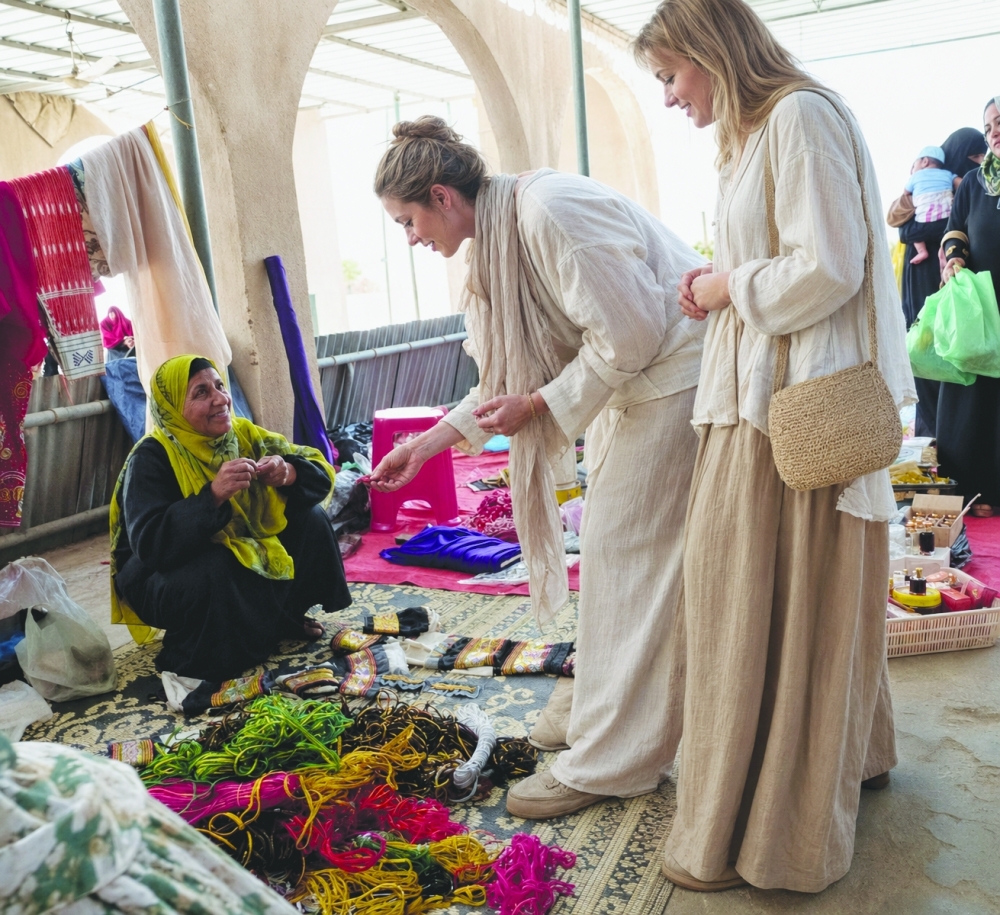
The two women travelling with us headed inside while the rest of us stayed outside. When they returned, they spoke less about what they had bought than about the people they had met.
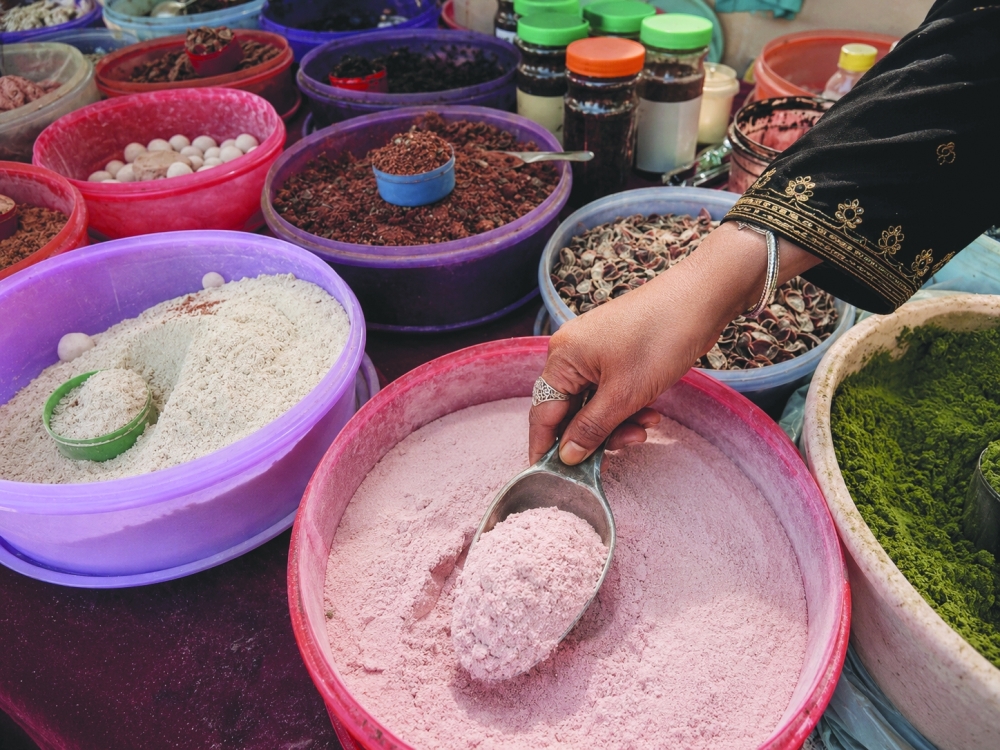
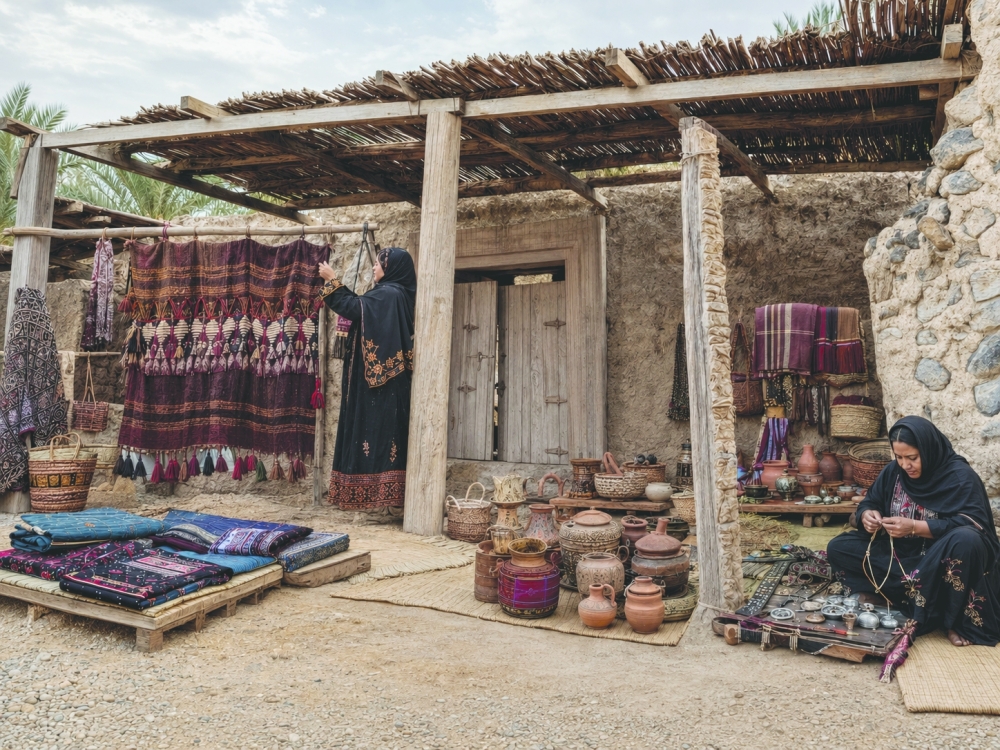
Inside, colourful fabrics hung in every direction. Embroidered dresses were stacked beside scarves and woven baskets, while tables overflowed with perfumes, frankincense, spices, jewellery, kitchenware and dates.
A woman selling fabrics invited them to sit. Soon, someone appeared with tiny cups of kahwa, followed by dates. Shopping became secondary as conversations moved between family, life in Muscat and which stall sold the best fabrics that morning.
The bargaining was lively but never confrontational. Prices moved back and forth with smiles, laughter and the kind of good humour that left both buyer and seller feeling they had done well.
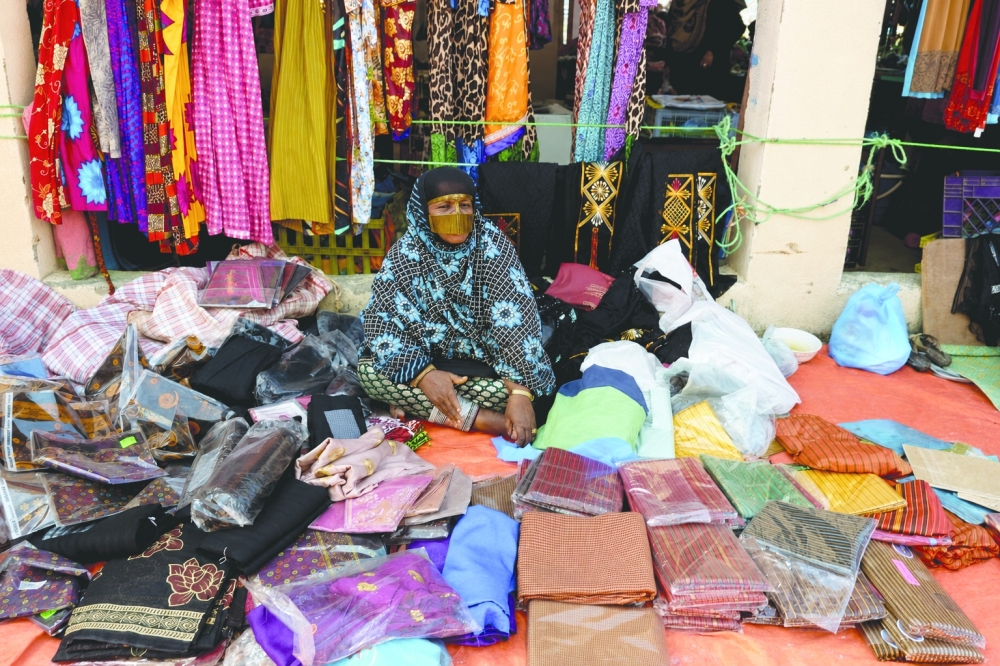
The market felt less like a collection of businesses and more like a neighbourhood that happened to be trading. That is perhaps what visitors miss when they describe Ibra simply as a “women’s market”. It is a place to shop, but it has long been something more.
Historically, weekly markets such as Ibra’s gave women an opportunity to trade independently, earn an income and meet people from neighbouring villages. They were places where news travelled alongside goods, friendships were maintained and several generations could spend the morning together.
Further south, another weekly tradition unfolds in much the same spirit.
Every Thursday, Sinaw fills with traders arriving from surrounding towns and Bedouin communities. It is best known for its livestock souq, where camels, goats and sheep attract buyers from across the region. Walk a little further, however, and another market reveals itself.
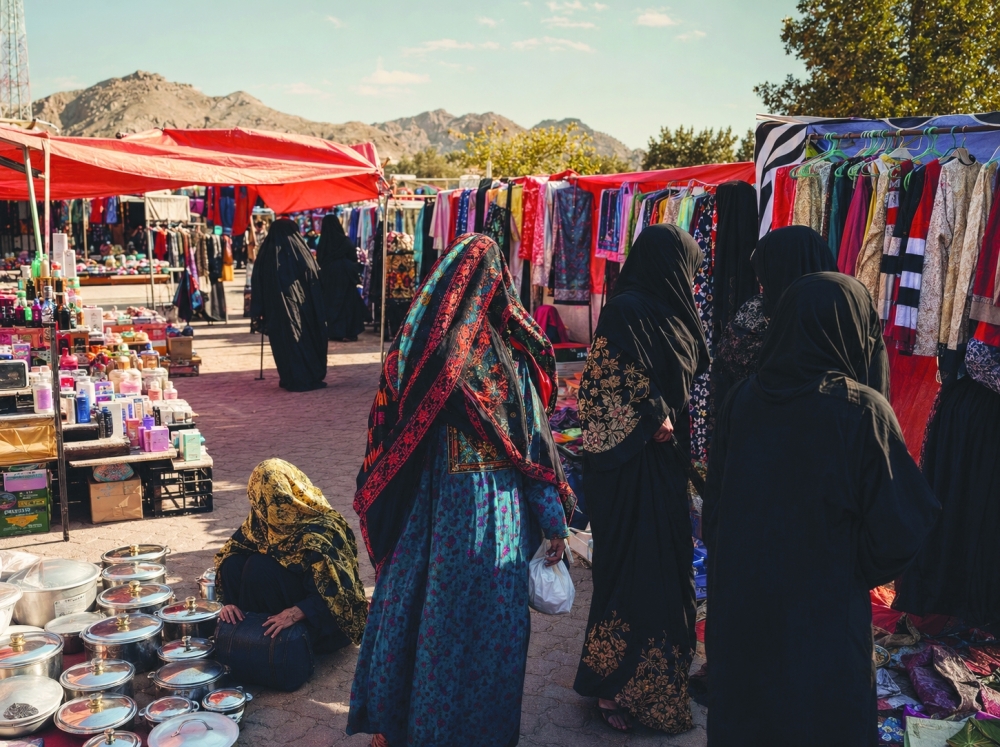
Women sell traditional clothing, jewellery, textiles, woven goods and household items as families move through the narrow passages between stalls. Visitors may arrive expecting a spectacle, but many leave remembering the conversations instead.
Accounts of the market frequently mention invitations to share kahwa, small gifts from sellers and help choosing fabrics despite a limited shared language. That warmth appears repeatedly, regardless of where the visitor comes from.
At a time when many traditional markets are increasingly shaped by tourism, Ibra and Sinaw continue to serve the communities that built them. Visitors are present, but they are not the reason these markets exist.
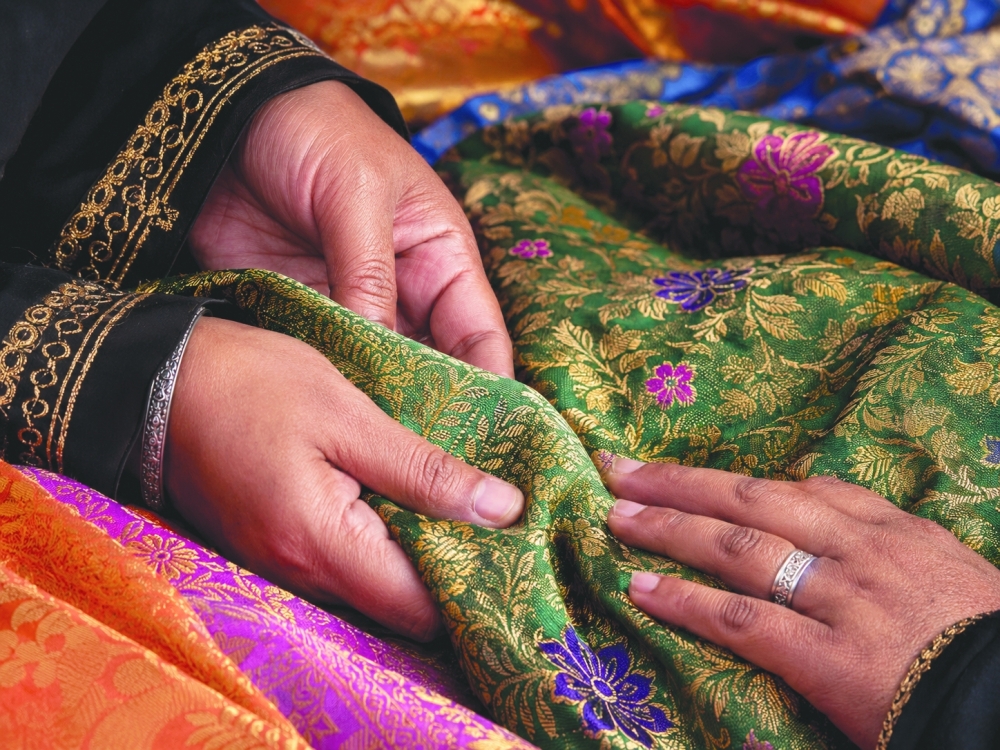
By the time we reached Muscat, the boot of the car was almost full. There were packets of spices, perfumes, colourful fabrics, woven pieces and more dates than anyone remembered buying. Some had been paid for. Others had been pressed into the women’s hands with a smile and a gentle refusal to accept money.
Before leaving, several traders encouraged our companions to return another Wednesday — not only to the market, but to visit their homes and see family collections of old silver jewellery, treasured heirlooms and antiques passed from one generation to the next. It was an invitation built on trust rather than tourism.
Looking back, that felt like the real story of Ibra: a place where commerce, hospitality and community still sit comfortably alongside one another. Long after the stalls close for another week, those are the things that remain.
Oman Observer is now on the WhatsApp channel. Click here