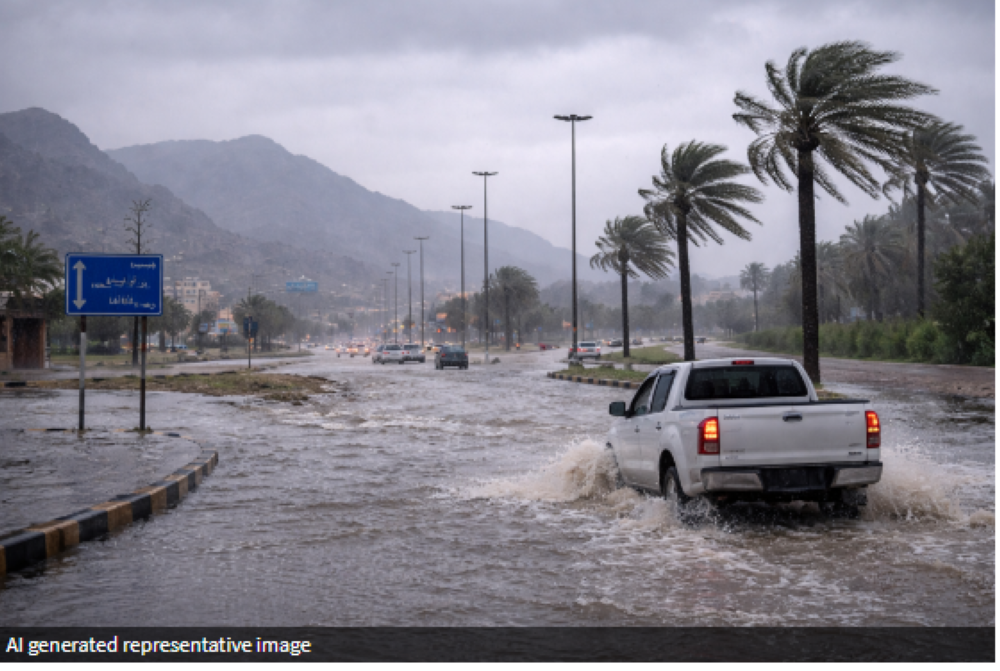
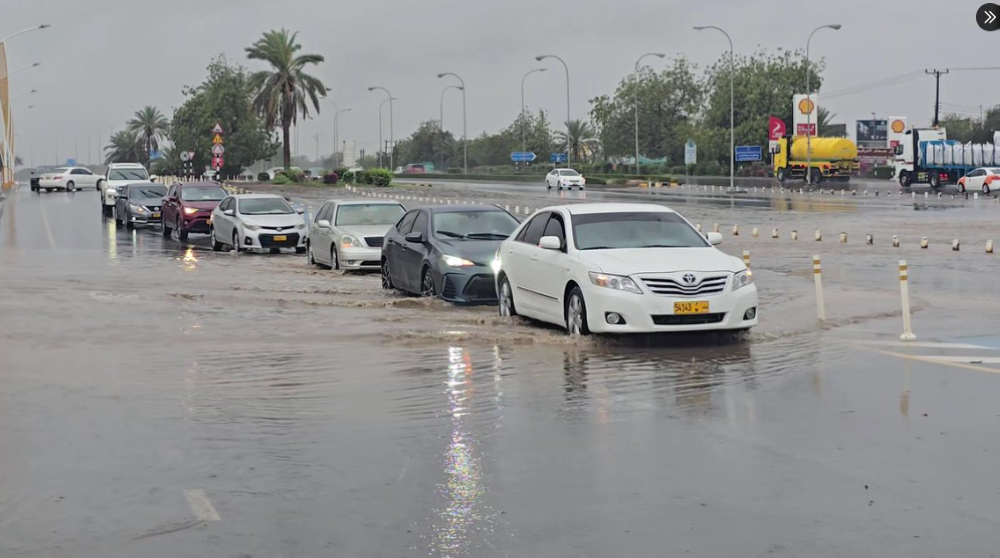
In recent days, Oman — especially Muscat — has experienced heavy rainfall and thunderstorms. The Civil Aviation Authority has issued warnings, urging people to stay indoors and avoid wadis and flooded areas. Streets are drenched, schools have closed, and police patrol the roads to make sure people remain safe. It is the kind of weather that reminds us how powerful nature can be, and how quickly beauty can turn dangerous.
When I hear thunder over Muscat, I feel a mix of emotions. There is worry about safety and flooding, but also comfort in the smell that fills the air when the first drops hit the ground. That smell is one of my favourite things about rain. It feels like the earth itself comes back to life after months of heat and dust. In Oman’s dry climate, rain changes everything: The mountains turn green, the air cools and people step outside just to enjoy the moment.
In Islam, rain has deep meaning. It is a sign of Allah’s mercy and blessing. The Prophet Muhammad (PBUH) taught that rain is a time when prayers are answered and that it symbolises purification. Every drop reminds us that we depend on divine kindness for our crops, our water and our daily lives. In a country where rain is not constant, its arrival brings both gratitude and reflection.
The floods also bring back childhood memories. When I was younger, living in my parents’ house in Muttrah, I would watch the water gush through the narrow streets from the second floor. People sometimes threw rubbish into the water, not realising the harm it caused. Today, things have changed. There is more awareness that flash floods are dangerous and not something to play with. The police and civil defence teams now work tirelessly to close risky routes, rescue people and keep traffic under control. Their quiet efforts save lives every season.
Unlike in the past, people in Muscat now react more cautiously to rainfall. In earlier years, some treated flooded wadis as an adventure, driving through them even when it was risky. Today, after many warnings and incidents, most understand that safety comes first. Social awareness campaigns and reliable weather updates have made a difference. The government deserves recognition for improving early-warning systems and for the quick response of rescue teams during heavy storms.
Still, as the rain falls, another thought crosses my mind — the stray cats that roam Muscat’s streets. Over the years, I have fed and cared for many of them, but lately I have not been able to do as much. Three of my own cats ran away when I was travelling, and during storms like these, I cannot help but wonder if they are safe. Seeing the rain pour down makes me wish there were more shelters for animals in Oman, places that could protect them from both weather and neglect. One of my future goals is to create a small sanctuary for stray cats and dogs, because care for animals should also be part of how we respond to nature’s challenges.
As these rains continue, I hope they will bring blessings, not damage. May the land absorb what it needs, filling wells and reservoirs. May families stay safe in their homes, and those who work on the roads — police, civil defence and emergency teams — be protected.
Oman Observer is now on the WhatsApp channel. Click here