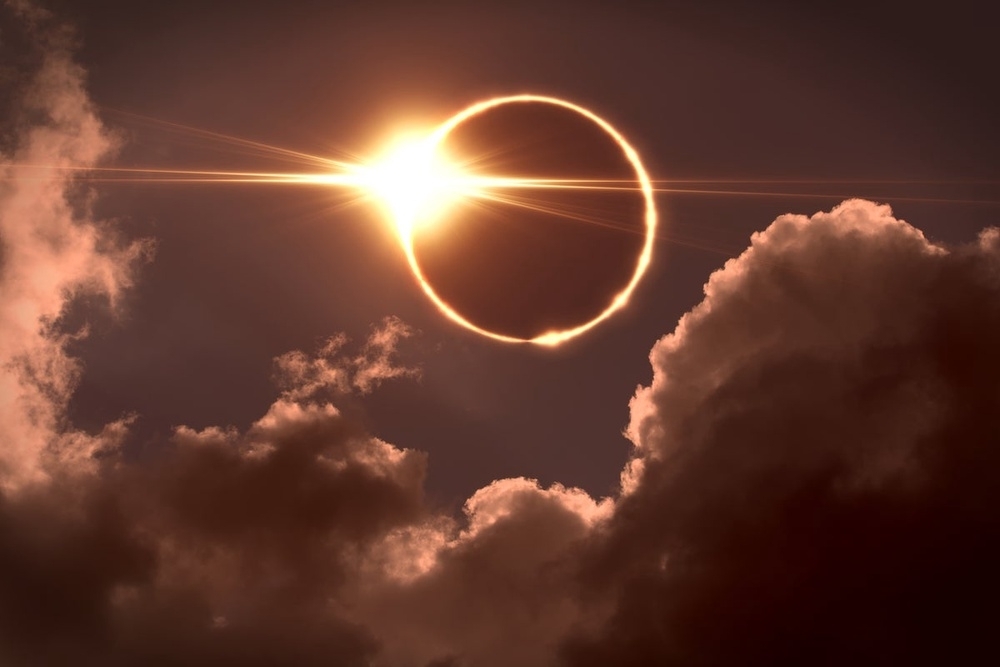





MUSCAT: The world will witness a total solar eclipse on Wednesday, August 12, one of the major astronomical events of the year, as the Moon’s shadow moves across a narrow path in parts of the Northern Hemisphere. The eclipse, however, will not be visible from Oman.
Wisal bint Salem Al Hinai, Head of the Community Outreach Committee at the Oman Astronomical Society, said a solar eclipse occurs when the Moon passes between the Earth and the Sun during the new moon phase, allowing the Moon’s shadow to fall on the Earth.
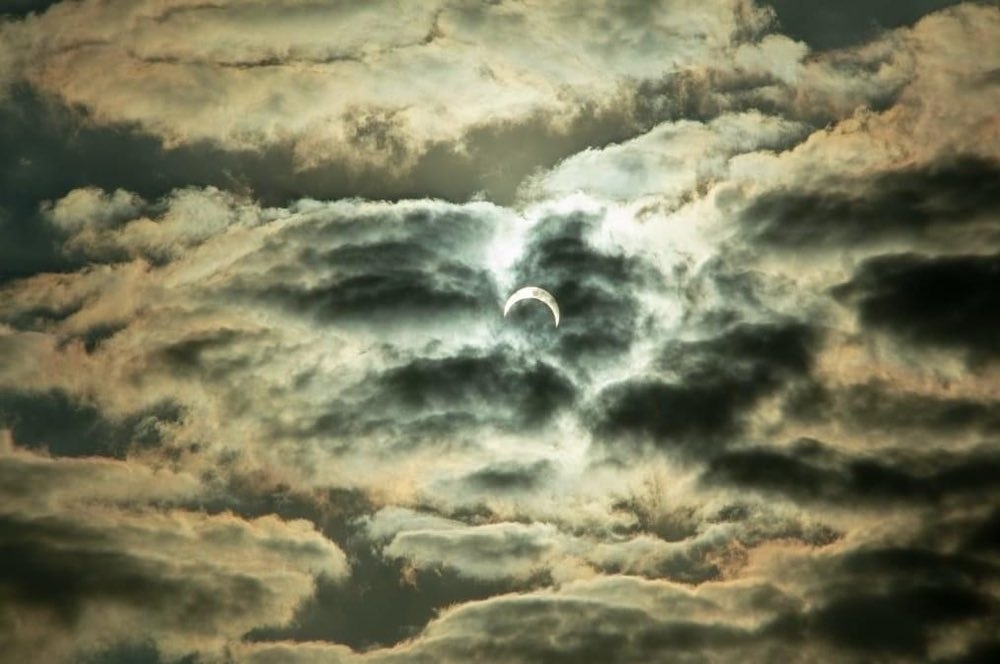
She explained that the total eclipse path will begin over northern Russia and extend across the Arctic Ocean, Greenland, Iceland and the Atlantic Ocean before reaching northern Spain, a small part of northern Portugal and the Balearic Islands. A partial eclipse will be visible across much of Europe, parts of North America and northwestern Africa.
The maximum duration of totality at the best viewing locations will be around two minutes and 18 seconds.
Spain is expected to offer particularly striking views, with the eclipse taking place in the evening shortly before sunset. In some areas, the Sun could set while still partially eclipsed.
Al Hinai said the event will be especially significant for Iceland, which will witness its first total solar eclipse since 1954, while the Iberian Peninsula will experience its first such event since 1905.
Another highlight is the timing of the eclipse alongside the peak of the Perseid meteor shower, giving skywatchers an opportunity to observe two major astronomical phenomena within a short period. The new moon phase will also provide favourable dark-sky conditions for viewing the meteors at night.
Al Hinai clarified that Oman lies outside both the total and partial eclipse zones, meaning there will be no visible change in the Sun from the Sultanate on Wednesday.
She also stressed the importance of safe solar viewing, warning that looking directly at the Sun can cause serious eye damage. Only approved solar-viewing glasses or suitable solar filters for telescopes, cameras and binoculars should be used, while ordinary sunglasses are not safe for eclipse viewing.
She added that such astronomical events provide an opportunity to promote intere
Oman Observer is now on the WhatsApp channel. Click here