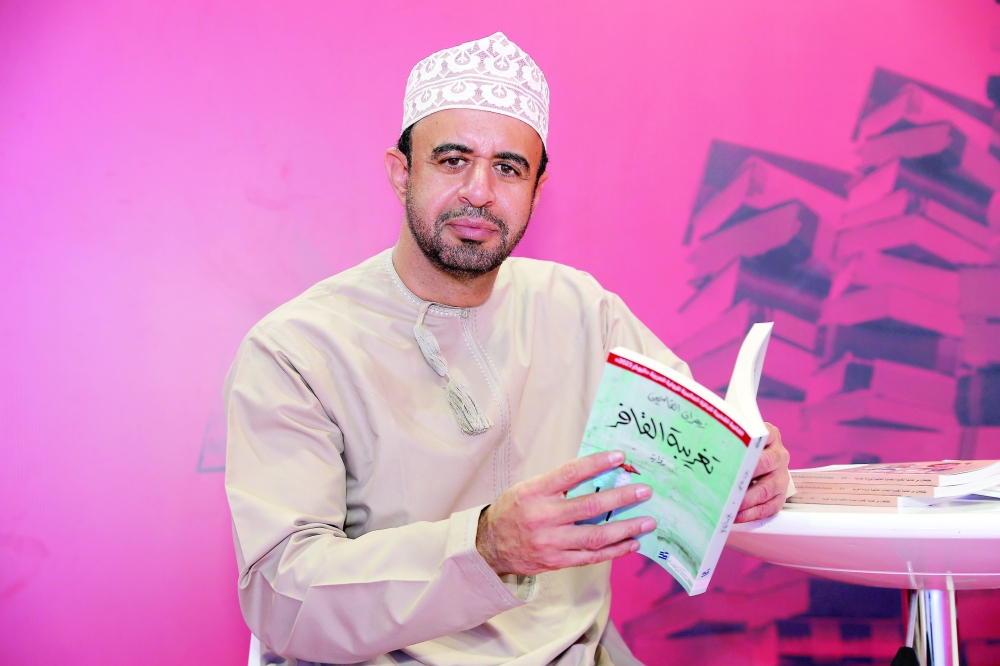
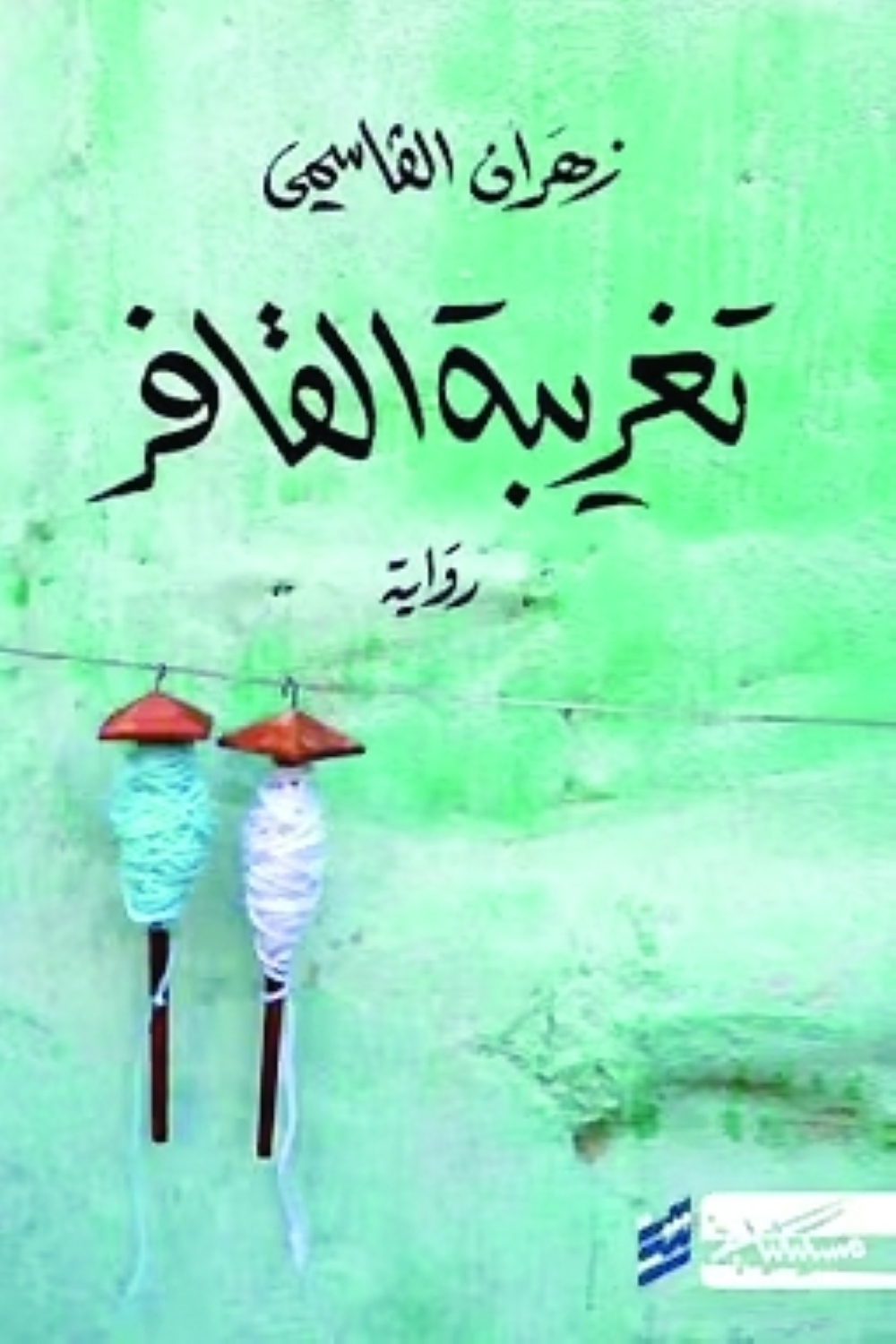






Zahran al Qasmi's novel Taghreebat Al Qaffar (The Water Diviner's Exile) and its screen version Al Qaffar can be viewed as two distinct artistic interpretations of the same story. While the novel tells its tale through language, the television adaptation reimagines it through image, movement and performance.
The shift from page to screen transforms the storytelling without losing the essence of the original narrative. As Moroccan critic Said Benkrad argues, narrative is one of humanity's oldest ways of making sense of existence, allowing every retelling to generate new meanings while remaining connected to its cultural roots.
At the heart of both works is the figure of the qaffar — the traditional water diviner whose search for hidden water becomes a symbol of human endurance. His personal struggle grows beyond the individual to reflect universal questions about survival, hope and destiny.
The novel and the television series, however, tell this story in very different ways. The novel relies on literary language, allowing readers to explore the characters' thoughts, emotions and inner conflicts through carefully crafted narration. The television adaptation replaces much of this interior storytelling with visual expression. Facial expressions, camera movement, cinematography and performance communicate emotions that the novel conveys through words.
The novel presents Al Qaffar primarily as a symbolic central character whose journey unfolds through layered chronology, memory and shifting timelines. The series adopts a more direct dramatic structure, expanding the story with additional characters and events while simplifying parts of the novel's complex narrative. Fantasy and visual spectacle also play a larger role on screen, giving the adaptation a broader popular appeal.
These differences are equally evident in the narrative structure. The novel embraces an open form that allows readers to interpret events from multiple perspectives, while the series follows a more conventional dramatic arc designed to sustain suspense and emotional engagement. The adaptation introduces new characters, including Shaikh Hamid and Zuhair; and expands the role of Ibrahim bin Mahdi. At the same time, several important figures from the novel receive less attention or disappear altogether, reflecting the practical demands of television storytelling.
Social life is also portrayed differently. In the novel, society is largely experienced through Al Qaffar himself. His extraordinary ability to sense underground water, trace hidden streams and earn the admiration of surrounding villages becomes the lens through which readers understand the community. Everyday dialogue reinforces the realism of village life through simple language and familiar experiences.
The television series broadens this social landscape. Relationships between families, villages and individuals receive greater emphasis, while historical settings and carefully recreated locations deepen the audience's understanding of traditional Omani society. The community becomes as important as its central hero.
Perhaps the most striking difference lies in the endings. The novel concludes tragically. Al Qaffar ultimately drowns alone in the very element that shaped his life. Having devoted himself to finding water, he is finally consumed by it, completing a symbolic cycle that gives his story the quality of legend. His fate reflects the ambiguity and sacrifice often found in mythic narratives.
The television adaptation chooses a very different conclusion. Al Qaffar returns victorious to his village, where he is welcomed by the community. Nassera bint Ramadhan greets him while holding their newborn daughter and together they return to the well where his mother once died. The birth of a new child transforms the ending into one of renewal, suggesting that life continues despite loss. Green landscapes replace tragedy, reinforcing themes of hope and rebirth.
The treatment of time also changes significantly. In the novel, time is organised through narration, description and memory. On screen, time becomes visual and dynamic. Flashbacks, editing, camera movement and scene transitions replace literary description, while music, lighting and sound effects create emotional rhythms impossible to achieve through text alone.
Likewise, the camera assumes the role of narrator. Instead of describing places and emotions, it reveals them directly through composition, movement and performance. Moments such as the first meeting between Al Qaffar and Nassera, or his rescue of her from kidnappers, gain dramatic power through visual storytelling rather than verbal narration.
Lighting deserves particular attention. Lanterns, shadows and darkness recreate the atmosphere of old Oman while expressing the characters' inner emotions. Carefully balanced contrasts between light and shadow enrich the visual language, allowing silence itself to convey meaning.
Ultimately, both works remain faithful to the same central idea while speaking through different artistic languages. The novel presents a symbolic rural world built around humanity's search for water — the essential source of life. The television series preserves this symbolic foundation while expanding it into a rich visual experience that reaches a wider audience.
Rather than competing with one another, the novel and the series demonstrate how stories evolve when they move between artistic forms. Each medium offers its own possibilities, yet both reaffirm the enduring power of storytelling to illuminate human experience and connect people with their history, imagination and collective memory.
Translated and adapted by Badr al Dhafari
This is an adapted translation of the original Arabic article published in the print edition of the cultural supplement of the Oman Daily newspaper on July 30, 2026.
Oman Observer is now on the WhatsApp channel. Click here