




When people hear the phrase child abuse, they often imagine severe physical violence or abuse. While these are undoubtedly serious forms of maltreatment, they represent only part of the picture. Every day, many children experience neglect, emotional abuse or repeated physical punishment that goes unnoticed because of misconceptions deeply rooted in our communities.
These misconceptions do more than shape opinions; they delay recognition, discourage reporting and leave vulnerable children without the protection they need. Here are five common myths that deserve to be challenged.
Myth 1: Child abuse only refers to physical abuse.
One of the most widespread misconceptions is that child abuse is synonymous with physical abuse. As a result, physical abuse, emotional abuse and neglect often receive less attention despite their profound consequences.
Research consistently shows that all forms of child maltreatment can have lifelong effects, increasing the risk of depression, anxiety, chronic diseases, poor academic achievement and difficulties in forming healthy relationships. A child does not have to suffer abuse to experience serious and lasting harm.
Myth 2: Child abuse only happens in disadvantaged families.
Many people assume that abuse occurs mainly in low-income or socially disadvantaged households. This belief is misleading and potentially dangerous.
Child abuse can occur in families of every socioeconomic background. In fact, studies suggest that cases involving affluent families may be less likely to be identified or reported because professionals or community members hesitate to question families with higher social status or influence. Every child deserves the same level of protection, regardless of their family's income, education or reputation.
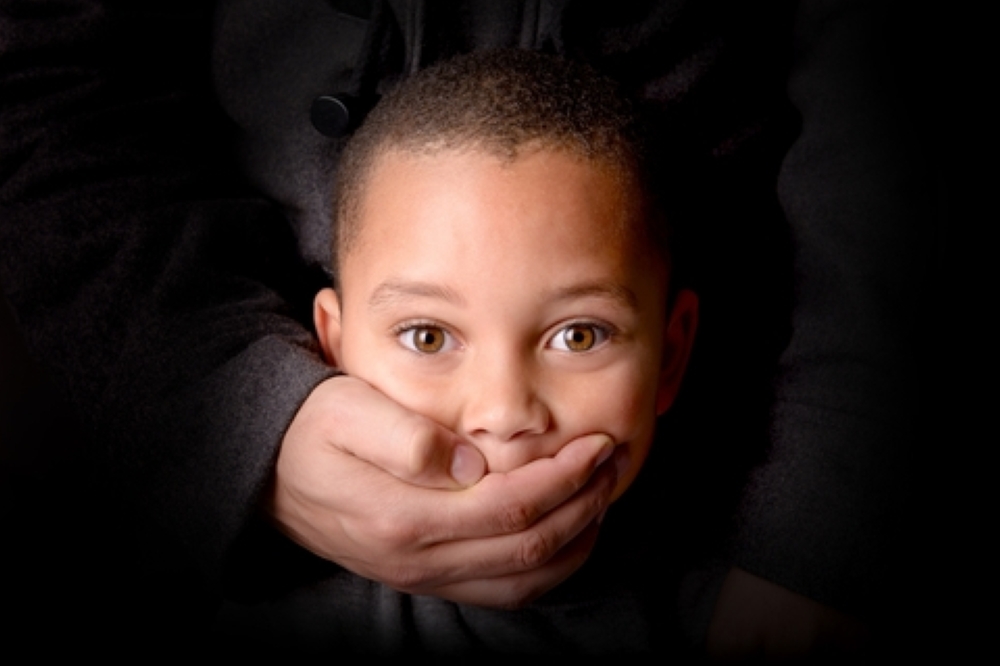
Myth 3: If a child is being abused, they will tell someone
This is perhaps one of the most damaging myths.
Many children never disclose physical abuse or they do so only after months or years. Fear, shame, guilt, loyalty to family members and concern about not being believed often prevent children from speaking out. Younger children may lack the language to explain what has happened, while adolescents may worry about the consequences for themselves or their families.
Silence should never be interpreted as evidence that abuse has not occurred.
Myth 4: Physical punishment is simply part of good parenting.
In many cultures, physical punishment is still viewed as an acceptable way to discipline children. However, decades of research have shown that corporal punishment does not improve long-term behaviour. Instead, it is associated with increased aggression, poorer mental health and weaker parent-child relationships.
Positive discipline is not about being permissive; it is about setting clear boundaries while treating children with dignity and respect. Protecting children and teaching them appropriate behaviour are goals that can—and should—go hand in hand.
Myth 5: Reporting child abuse is interfering in family matters.
Some people hesitate to report suspected abuse because they believe family issues should remain private. Others worry about damaging relationships or making the situation worse.
In reality, reporting suspected abuse is not about judging families—it is about protecting children. Early intervention can prevent repeated harm, connect families with appropriate support services and ultimately improve outcomes for both children and care-givers. Remaining silent may unintentionally allow abuse to continue.
A Shared Responsibility
Protecting children is not solely the responsibility of child protection agencies. Parents, teachers, healthcare professionals, social workers, neighbours and the wider community all play an essential role in recognising warning signs and ensuring that children receive help when they need it.
The first step toward better protection is replacing myths with evidence. When communities understand that abuse can take many forms, occur in any family and often remains hidden, they become better equipped to act.
Every child deserves to grow up in a safe, supportive environment. By challenging misconceptions and promoting informed action, we can move closer to a society where no child suffers in silence and every child has the opportunity to thrive.
Oman Observer is now on the WhatsApp channel. Click here