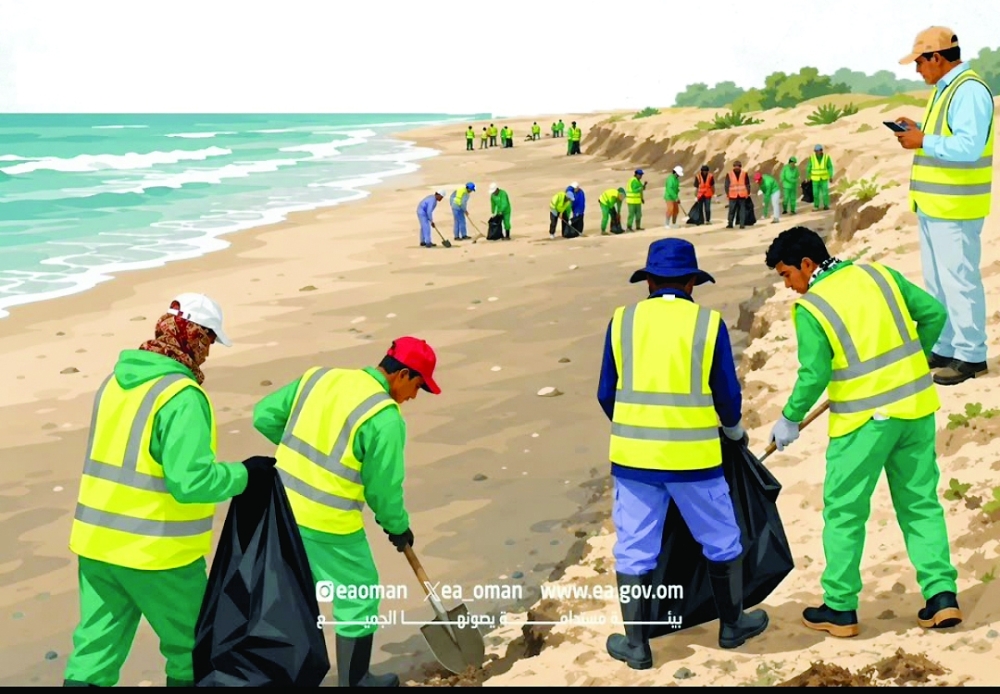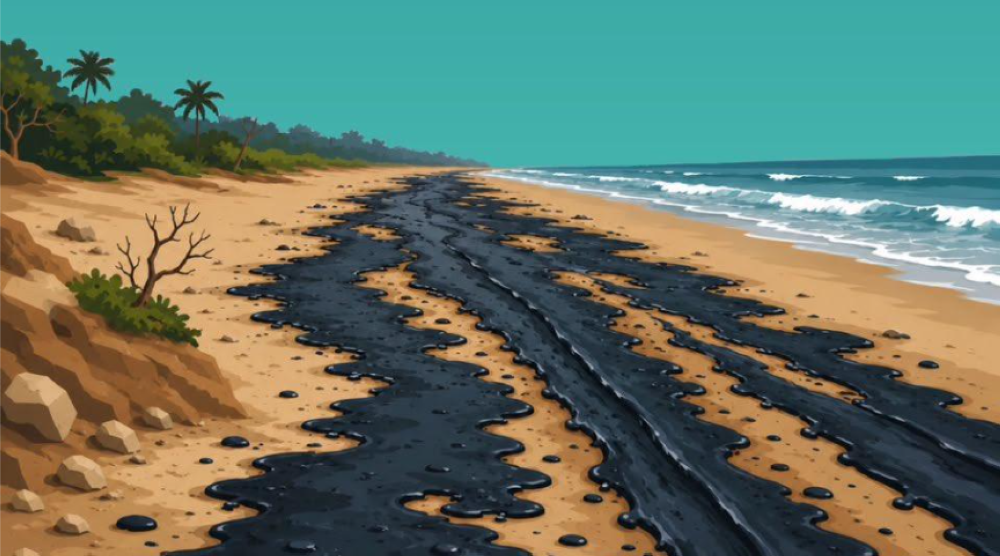





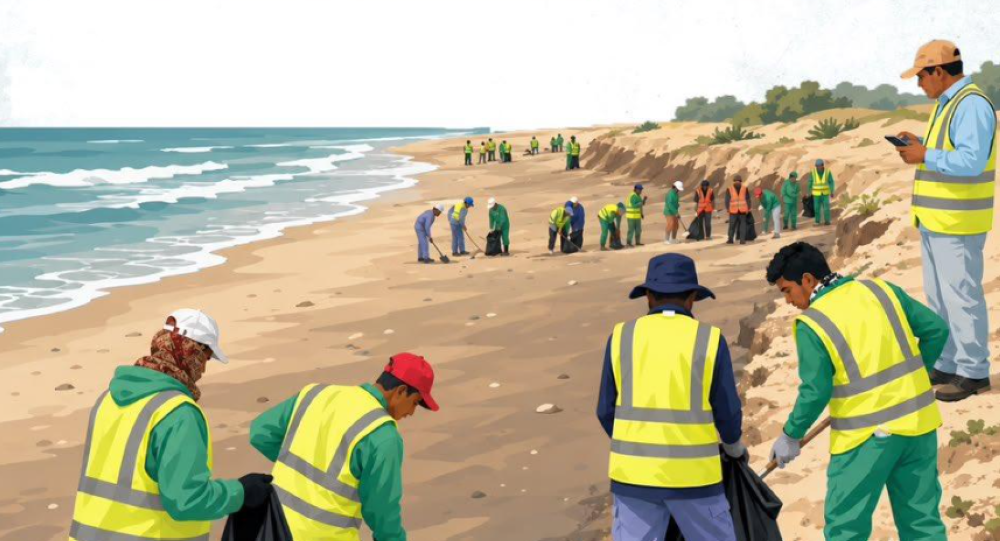
It activates the environmental emergency plan and coordinates with relevant authorities for immediate response, assesses the size of the spill, and tracks its spread through field monitoring teams and modern technologies. EA directly supervises pollution control operations and the mitigation of their effects on the marine environment, monitors water quality and the marine environment, assesses damage, and supervises cleanup and rehabilitation work.
According to a journal, Biological Invasions, the ongoing conflicts in the Middle East are causing substantial humanitarian, economic, and geopolitical impacts and disrupting global trade. The closure of the Strait of Hormuz on February 28, 2026, stranded an estimated 1500 ships in the Arabian Gulf, with hundreds more anchored in the Sea of Oman.
Prolonged stationary periods lead to substantial biofouling penalties for ships, as marine microbes, algae, and invertebrates rapidly colonize and grow on submerged surfaces.
This accumulation not only impairs vessel operations but also creates significant environmental risks.
A major concern is the high likelihood that these idle ships will facilitate the extensive spread of economically and ecologically damaging invasive species as they re-enter the global shipping network.
Given the unprecedented scale and duration of this mass lay-up of ships, conditions are primed for a large-scale, marine bioinvasion “super-spreader” event as regular maritime trade in the region resumes, the journal said.
Oman Observer is now on the WhatsApp channel. Click here