




Patients who need to lower their cholesterol will soon have a powerful new option.
The Food and Drug Administration recently approved a new pill called enlicitide that can lower cholesterol levels substantially more than statins alone. The drug, which was developed by Merck and will be sold under the brand name Lipfendra, is expected to go on the market in the coming weeks.
Here’s what to know.
Q: How does the new pill compare with other cholesterol treatments?
A: Lipfendra adds to the list of treatments that can lower low-density lipoprotein, or LDL, a form of cholesterol that, at high levels, increases the risk of heart disease. Studies over many decades have shown that drugs that safely lower LDL can protect people from heart disease.
The most commonly prescribed LDL lowering drugs are statins, which inhibit the production of cholesterol in the liver. They have been used for decades and are safe and cheap, around $5 to $25 a month. Depending on the statin and the dose, they can lower LDL levels by 30 to 50%.
Other drugs include ezetimibe, a pill that inhibits the absorption of cholesterol and can lower LDL levels by about 20%. In its generic form, it is as cheap as statins. There also is bempedoic acid, which blocks production of cholesterol and also lowers LDL levels by about 20%. The generic version is listed at $430 to $517 a month. (Patients often pay less than the list price.)
The most powerful drugs available — including alirocumab, evolocumab, and inclisiran — work by blocking a protein called PCSK9, which slows the body’s ability to clear cholesterol. These drugs have been shown in clinical trials to lower LDL levels by 60% to 70%. They often are used alongside other drugs like statins to lower LDL even more aggressively.
Until now, all the PCSK9 inhibitors, which have list prices around $500 to $600 a month, had to be injected. Large studies in people at high risk for heart disease showed that PCSK9 inhibitors reduced the risk of heart attacks, strokes and cardiovascular deaths by 20%.
Lipfendra is a PCSK9 inhibitor in pill form. Unlike statins, which can be taken at any time of day with or without food, it should be taken while fasting in the mornings, with water, black coffee or plain tea.
In clinical trials, Lipfendra was as effective at lowering LDL as the injected drugs. There is a large trial underway to confirm that the PCSK9 inhibitors in pill form also reduce heart attacks and strokes.
The list price will be $315 for a 30-day supply. It’s not clear yet how widely it might be covered by insurance.
Q: Who should take the new drug?
A: Statins are always the first option doctors reach for, given their long history of safety and efficacy, said Dr. Erin Michos, associate director of preventive cardiology at Johns Hopkins University School of Medicine. But some patients can’t tolerate statins. And even among those who do, “we’ve been targeting lower and lower cholesterol levels, especially for high-risk patients,” Michos said. Many patients cannot meet their goal with statins alone.
That’s where the PCSK9 inhibitors come in. The medications are “an excellent way to augment oral therapies in a population that needs more aggressive treatment,” said Dr. Corey Bradley, a preventive cardiologist at Columbia University Irving Medical Center.
Earlier this year, the American Heart Association released new guidelines that included specific LDL targets for patients depending on their risk profile. “When I reach for a PCSK9 inhibitor really depends on how far away I am from that goal,” Bradley said.
Michos said that PCSK9 inhibitors had shown an additional benefit of lowering Lipoprotein(a), or Lp(a), a cholesterol-carrying protein she described as “LDL’s evil cousin.” Lp(a) independently increases heart disease risk, regardless of cholesterol levels, and statins don’t lower it.
Q: Who should take steps to lower their cholesterol?
A: The new AHA guidelines recommend that people who are at the highest risk of heart disease (those who have already had a heart attack or stroke) should be on medication to get to an LDL under 55 mg/dL.
People who don’t have existing heart disease can still be at high risk, whether because of factors like Type 2 diabetes or because of a high risk score. Doctors use a risk calculator that takes into account factors such as age, blood pressure, cholesterol, and body mass index to assess both short-term (10-year) and long-term (30-year) risk. For patients estimated to be at high 10-year risk, the goal is under 70 mg/dL.
Dr. Sadiya Khan, a preventive cardiologist at Northwestern University, said she often also counseled patients who are at intermediate 10-year risk of heart disease to start taking cholesterol medication. She also discusses it with healthy patients who are at low 10-year risk but high 30-year risk.
Lowering LDL reduces the cumulative exposure to particles that contribute to the buildup of plaques in arteries, which can lead to heart attacks or strokes. Research has shown that the lower the LDL, the lower the risk of such cardiovascular events.
The guidelines also recommend treating people with a genetically inherited form of high cholesterol, called familial hypercholesterolemia.
Q: When should you get your cholesterol checked?
A: All adults should have their cholesterol checked at least every five years starting at age 19, according to the AHA guidelines. (Children should have their cholesterol checked once, between ages 9 and 11, to screen for inherited high cholesterol.)
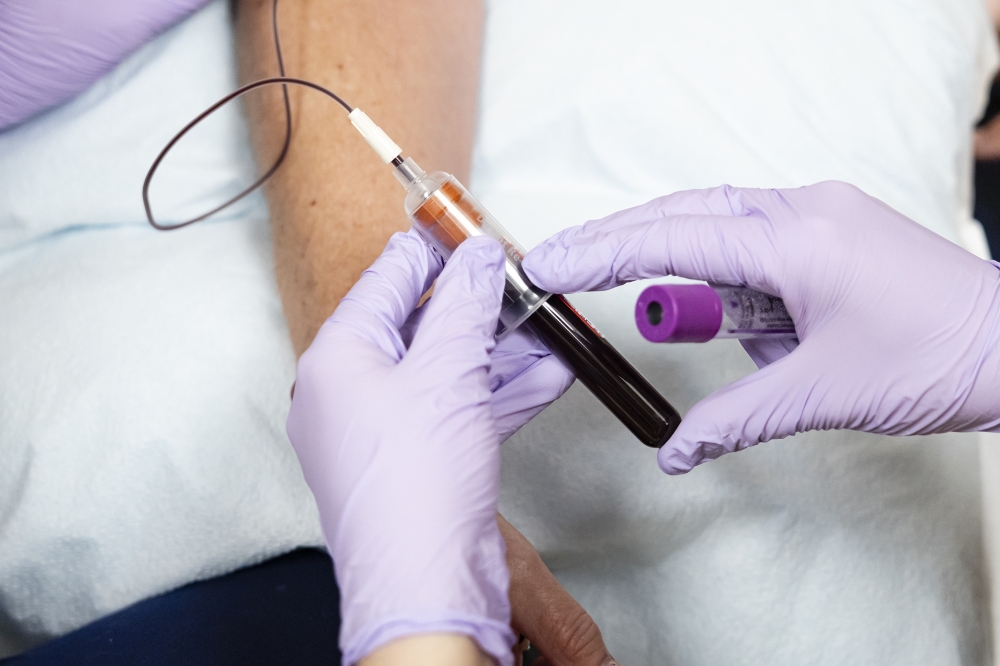
Your primary care doctor’s office can do a blood test called a lipid panel to look at your LDL and other types of cholesterol.
The guidelines also recommend that all adults have their Lp(a) levels checked at least once.
This article originally appeared in The New York Times.
Oman Observer is now on the WhatsApp channel. Click here