




Samosas in India. Noodles in South Korea. Street food of all kinds in Indonesia.
Across Asia, people are discovering that staple dishes that were once reliably cheap are no longer so affordable, as the shock waves of the Iran war spread around the world.
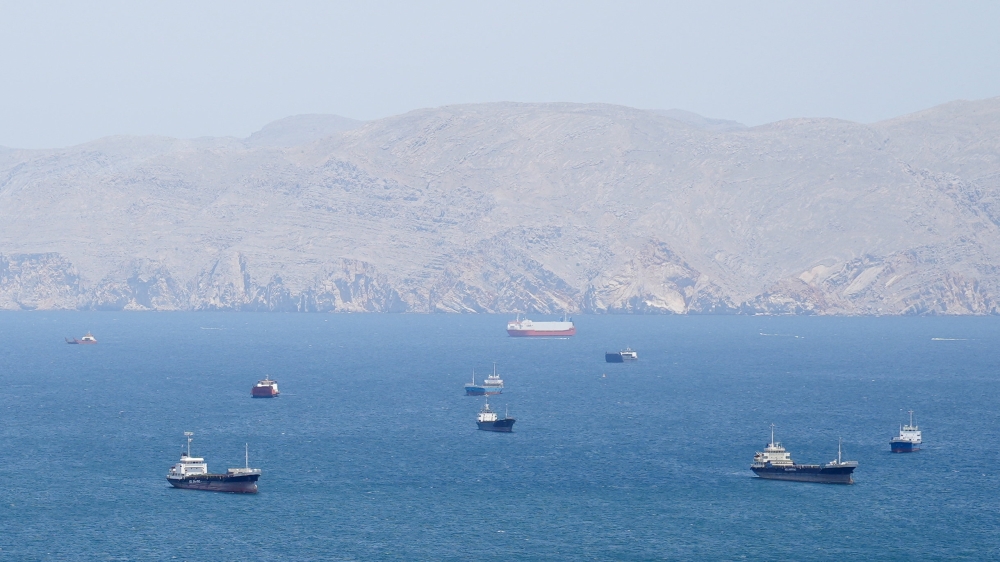
Asian countries, which rely heavily on energy imports from the Middle East, have been deeply affected by the economic fallout of the conflict, which has reignited after the collapse of a preliminary U.S.-Iran ceasefire.
Since the fighting began in February, currencies across Asia have plummeted, inflation has surged and prices of ingredients are soaring. Customers and food sellers alike are feeling the pinch.
“We are all in the same boat, hoping it won’t sink,” said Supatra Ruamthot, a street food seller in Bangkok.
South Korea
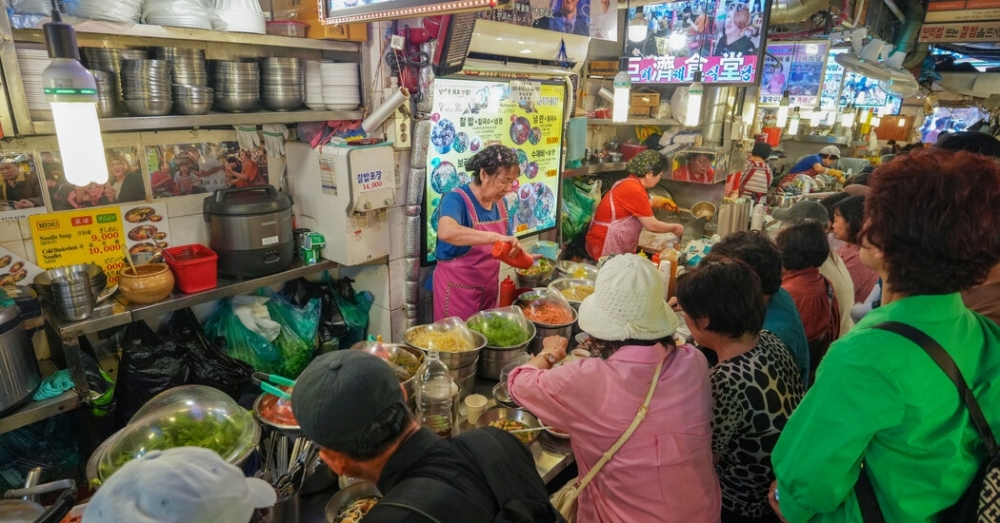
For years, Kim Moon-jung sold bowls of kalguksu — hand-cut noodles in savory broth — out of her restaurant in southern Seoul for 9,000 won (about $6). But with the cost of ingredients steadily rising, she plans to increase the price to at least 10,000 won in the next few months.
A flurry of local news media reports followed the announcement in March by South Korea’s consumer agency that the average bowl of kalguksu in Seoul had exceeded that price point, an important psychological marker.
Residents of the capital are so eager to find affordable meals, and so sensitive to price increases, that this year they created a crowdsourced map to identify restaurants selling meals for 10,000 won or less.
“There’s not a single ingredient that hasn’t become more expensive,” said Kim, 59, who runs her store with her daughter. She listed materials such as flour, clams and vegetables.
She said she was not worried that the price hike would deter customers. “They also see that everything’s getting more expensive,” she said. “So how can they blame us?”
India
Behind the counter of Yadav Milk Dairy in Lucknow, a city about 250 miles southeast of New Delhi that is known for its street food, owner Shubham Yadav lamented that he was “barely profiting” from selling samosas, the potato-filled savory pastries that are one of India’s most famous culinary exports.
Yadav, 29, said the price of the gas cylinders he uses had doubled to 3,600 rupees, or about $38. India imports about 60% of its liquefied petroleum gas, much of that via the Strait of Hormuz. The wartime disruption of the waterway has threatened the supply of the fuel that powers the country’s gas stoves.
Yadav said he could not double his prices to match the surging cost of gas, so he had increased the price of each samosa by about 1 cent. But this meant his profits were increasingly thin, he said, and he worried that he might need to raise prices further in the coming months.
He said he hoped that his customers enjoyed his samosas enough to keep buying. “But at what price, is the question?” he asked.
Thailand
Before the war began, Ruamthot, who has dished out som tum, or green papaya salad, for 20 years, would start receiving orders in person and on delivery apps before she had even finished setting up her stall in the morning. At lunchtime, she would serve a flood of customers, many of them office workers, who would wait up to 30 minutes.
These days, she does the waiting.
“It’s so bad now. Business is very slow,” said Ruamthot, 62.
Even though her costs have risen by about 30%, she has not increased her prices out of fear that doing so would drive more customers away.
“Even with the current price, we are losing customers,” she said. “People really live frugally because everything has increased in price.”
Her profits had fallen by more than half, to about 1,000 baht a day (around $30), leaving her unsure how long she could sustain her business. When she speaks with other food vendors, she learns that her situation isn’t unique.
“Everybody is experiencing the same thing,” she said.
Indonesia
“If I didn’t increase the price I couldn’t survive,” said Ridah, 48, who sells gado-gado, a dish of boiled vegetables dressed with peanut sauce, in Jakarta.
Standing next to her food cart, she rattled off ingredients that had increased in cost, including peanuts and plastic bags. When she goes to the market, she said, “I don’t even know how much I’ll have to pay for my shopping for the day.”
Ridah — who, like many Indonesians, uses only one name — said her profits had more than halved since the war began, and business was even worse than during the coronavirus pandemic. Then, she still had customers.
“Now, no one is buying,” she said.
While she knew her customers were also struggling, she felt that she had no choice but to increase the price of her dish by 1,000 rupiah (about five cents) to 18,000 rupiah (about $1).
“This is the only thing I can do and how I earned my living,” said Ridah, who has run her food cart for nearly 30 years. “We just have to survive this.”
This article originally appeared in The New York Times.
Oman Observer is now on the WhatsApp channel. Click here