




'Stem cells derived from the placenta are among the important sources in modern medical and cosmetic research, with applications being explored in several areas' Dr Fakhriya al Shibli, Dermatologist -
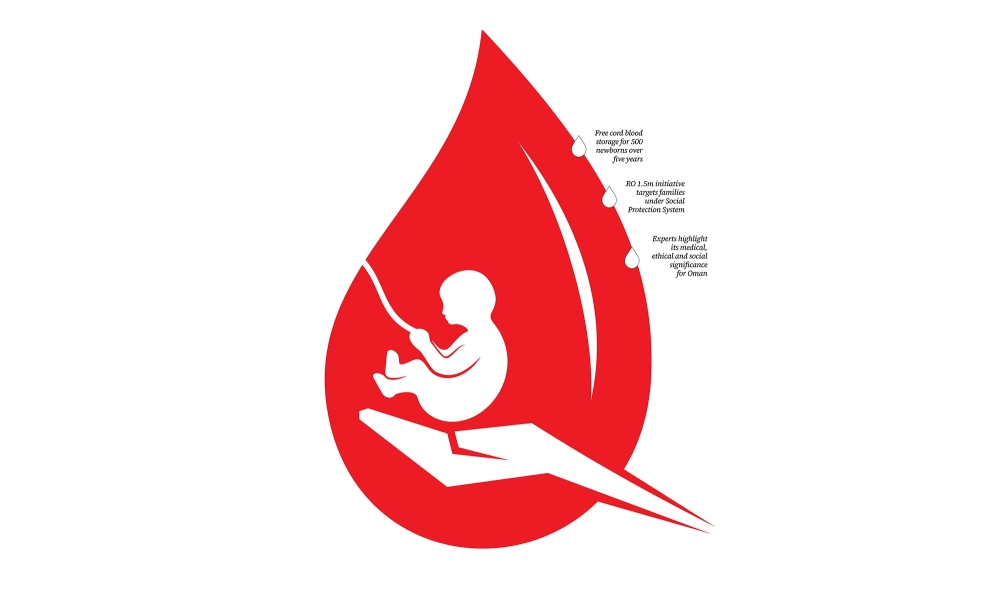
A new initiative by The Longevity Cell Bank marks a significant step in Oman’s healthcare advancement, offering free umbilical cord blood storage for 100 newborns annually over five years to support families registered under Oman’s Social Protection System, with priority given to cases involving specific healthcare needs.
Valued at nearly RO 1.5 million, the initiative aims to make advanced cellular preservation more accessible while strengthening Oman’s future in regenerative medicine.
The initiative is part of The Longevity Cell Bank’s efforts to introduce cellular preservation and cord blood-banking services in Oman.
The clinical-grade facility collects, processes, tests and cryopreserves umbilical cord blood, stem cells and biological samples, supporting future developments in regenerative and cellular medicine.
Established under the supervision of entrepreneur Yasser al Barami and developed alongside the Biothrive Group with support from the Ministry of Health, the centre represents a step towards expanding Oman’s healthcare capabilities in a rapidly evolving field of medicine.
For Dr Fakhriya al Shibli, a prominent board-certified dermatologist, dermatosurgeon, and the founder and CEO of Dr Fakhriya Clinics in Oman, the establishment of a stem cell bank represents an important milestone in Omani healthcare innovation.
She said stem cell banking could help place Oman among countries advancing in modern medical fields, while creating new opportunities for safer and more natural approaches to treating chronic conditions and supporting tissue regeneration.
“The establishment of a stem cell bank in Oman contributes to reducing reliance on certain chemical treatments and places us among nations advancing in this evolving medical field,” she said.
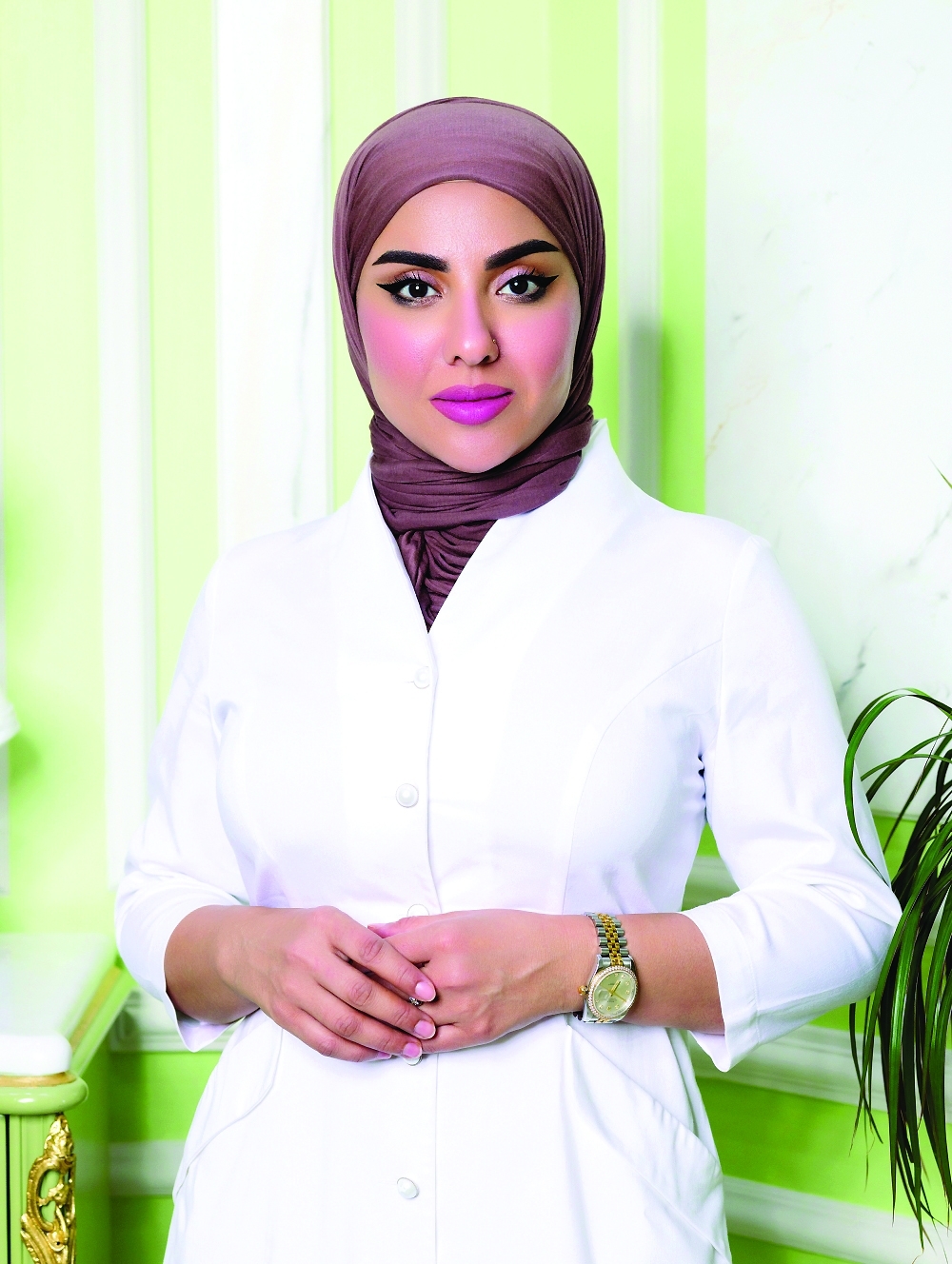
Dr Al Shibli explained that stem cells derived from the placenta are among the important sources in modern medical and cosmetic research, with applications being explored in areas including autoimmune diseases, tissue repair and improving organ functions affected by chronic illnesses.
Beyond the medical perspective, the initiative has also highlighted the importance of public awareness around this emerging field.
Omani media professional and researcher in Omani history Naser al Busaidy said the launch introduced him to a specialised area that he had not previously explored in depth.
Through his investigation into the subject, he discovered the significance of cord blood banking, which involves collecting, processing, testing and storing blood from the umbilical cord and placenta after childbirth.
Cord blood is rich in blood-forming stem cells that can develop into different types of cells and have been used in treating conditions including hereditary blood disorders such as sickle cell disease and thalassaemia, certain cancers such as leukaemia, and immune system disorders.
The development of stem cell therapies also involves ethical considerations.
Dr Shaikh Kahlan bin Nabhan al Kharousi, Assistant Grand Mufti of the Sultanate of Oman, has affirmed that treatment using stem cells is permissible in Islam when the source of the cells is lawful.
He explained that stem cells obtained from permissible sources, including consenting adult donors, are acceptable, while those derived from embryos intentionally aborted for the purpose of obtaining stem cells are not permissible.
Dr Shaikh Al Kharousi also stressed the importance of verifying the ethical and legal standards of treatment centres to ensure that biological materials are obtained through lawful means.
By combining scientific innovation, social responsibility and ethical guidance, The Longevity Cell Bank’s initiative marks a significant milestone in Oman’s healthcare journey, preserving biological resources today for potential medical breakthroughs in the future.
Oman Observer is now on the WhatsApp channel. Click here