





Destination marketers are betting on data intelligence, artificial intelligence and sharper regional storytelling to sustain inbound tourism growth as global travellers become more cautious, price-conscious and increasingly focused on safety and value.
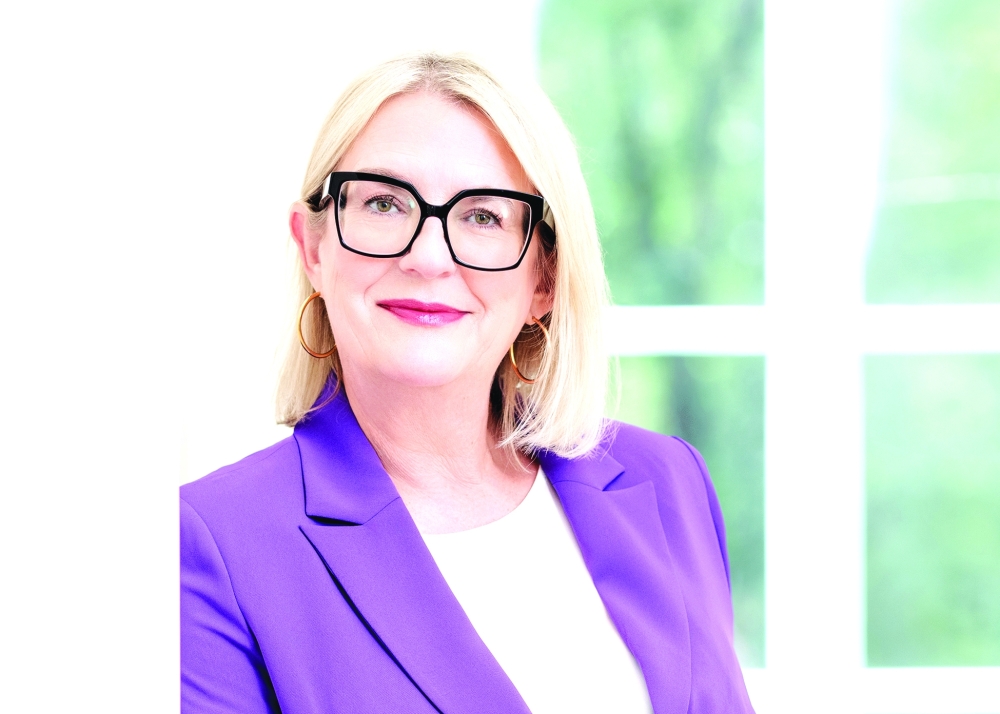
‘Reiseland Deutschland’ — Destination Germany — enters 2026 with a strong global brand position. Petra Hedorfer, Chairwoman of the Executive Board of the German National Tourist Board (GNTB), said an Anholt & Co Nation Brands Index survey ranked the country first in image among 26 European nations in 2025 and second worldwide.
“Our core brand message is Germany simply inspiring”, Hedorfer said in an exclusive interview, highlighting ‘Vibrant Cities’, ‘Natural Beauty’ and ‘Historic Buildings’ as the three pillars of the destination’s identity.
She said the positioning has helped strengthen visitor loyalty, with three-quarters of international visitors returning travellers. GNTB’s quarterly industry panel, which surveys more than 250 international travel companies, also indicates a shift in booking behaviour towards greater safety awareness, last-minute decisions and closer destinations.
This trend works in the destination’s favour, with 93 per cent of respondents rating it a safe or very safe destination.
“Safety is currently the most important factor when choosing a destination”, Hedorfer said.
According to forecasts cited by Hedorfer from Tourism Economics, inbound tourism is expected to grow by 2.9 per cent in 2026 under a baseline scenario, driven by a 2.6 per cent increase from European markets and 3.8 per cent growth from overseas markets.
The tourism board is also investing heavily in digital transformation, including an Open Data and Knowledge Graph project designed to improve visibility across AI-powered search and booking platforms. It has also introduced AI travel companion ‘Emma’, alongside augmented and virtual reality tools aimed at inspiring travellers earlier in their decision-making journey, particularly younger audiences.

THE GULF OPPORTUNITY
The shift is especially visible in the Gulf market, where traveller expectations are evolving beyond traditional sightseeing.
Yamina Sofo, Director Marketing & Sales Office Gulf Countries, German National Tourist Office (GNTO), said demand is increasingly moving towards experience-driven travel.
“The demand is clearly moving from classic sightseeing to experience-led travel”, Sofo said, pointing to growing interest in wellness offerings such as thermal spa towns and alpine retreats, as well as nature-based experiences.
Family travel remains a major segment, she added, but expectations have changed. Gulf families are seeking “comfort and convenience, but also enriching experiences that work across generations”.
GNTB’s 2026 GCC strategy focuses on three priorities: tailored storytelling for different traveller groups, stronger partnerships with airlines, tour operators and regional media; and improved connectivity through direct gateways into Berlin, Cologne, Düsseldorf, Frankfurt, Hamburg and Munich.
Rather than shifting visitors away from established entry points, the strategy aims to use major cities as gateways to lesser-known regions.
“Frankfurt and Munich will always play an important role for GCC travellers”, Sofo said, highlighting opportunities to encourage longer stays and deeper exploration of destinations such as the Rhine Valley, Heidelberg, the Black Forest, Bavaria’s lakes and alpine towns.
The approach supports GNTB’s global ‘Stay a little bit longer’ campaign, which encourages travellers to extend their itineraries and explore beyond major tourism hubs.

GEN Z-FOCUSED
Digital engagement is becoming central to the gulf strategy, with upcoming campaigns focusing on short-form videos, creator partnerships and social search.
Sofo said initiatives such as ‘Your Next Stop: Travel Destination Germany’ and ‘Culinary Germany’ aim to showcase smaller cities and regional experiences while connecting with younger travellers through the platforms where they discover destinations.
Cities such as Berlin, Hamburg, Leipzig and Freiburg are being promoted for their creative culture, food scenes and lifestyle offerings, alongside established favourites.
For Gulf travellers, Sofo said the combination of world-class urban infrastructure with nature, wellness and slower-paced experiences remains a key differentiator.
Partnerships will continue to play a vital role, particularly airline connectivity, travel trade cooperation and media engagement.
“The ambition is clear — to make Germany easier to discover, easier to understand and easier to choose”, she said.
Both Hedorfer and Sofo stressed that tourism success is no longer measured only by visibility and reach. Hedorfer said GNTB campaigns across social media, public relations and newsletters increasingly rely on business intelligence tools that track concrete travel decisions, visitor value and long-term economic impact rather than simply counting impressions.
As the destination continues to move beyond its traditional image as primarily a business travel hub, the message to Gulf travellers is evolving: discover the cities, but stay longer to experience the culture, nature and hidden destinations that lie beyond the familiar routes.
Pictures by GNTB, DZT/Farideh Diehl
Oman Observer is now on the WhatsApp channel. Click here