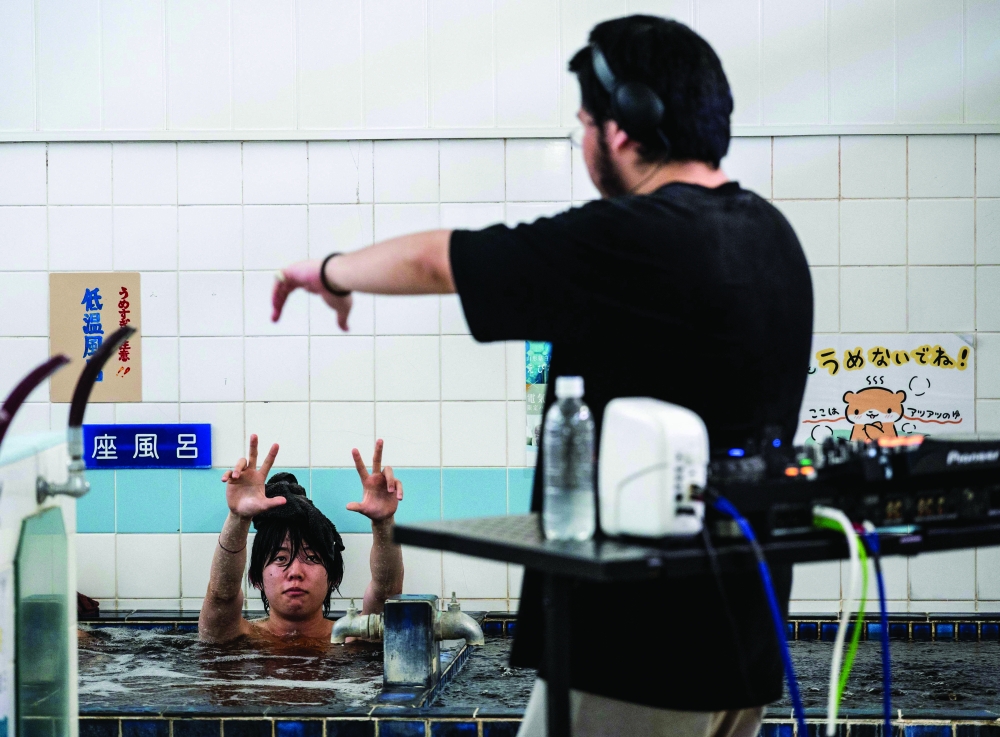
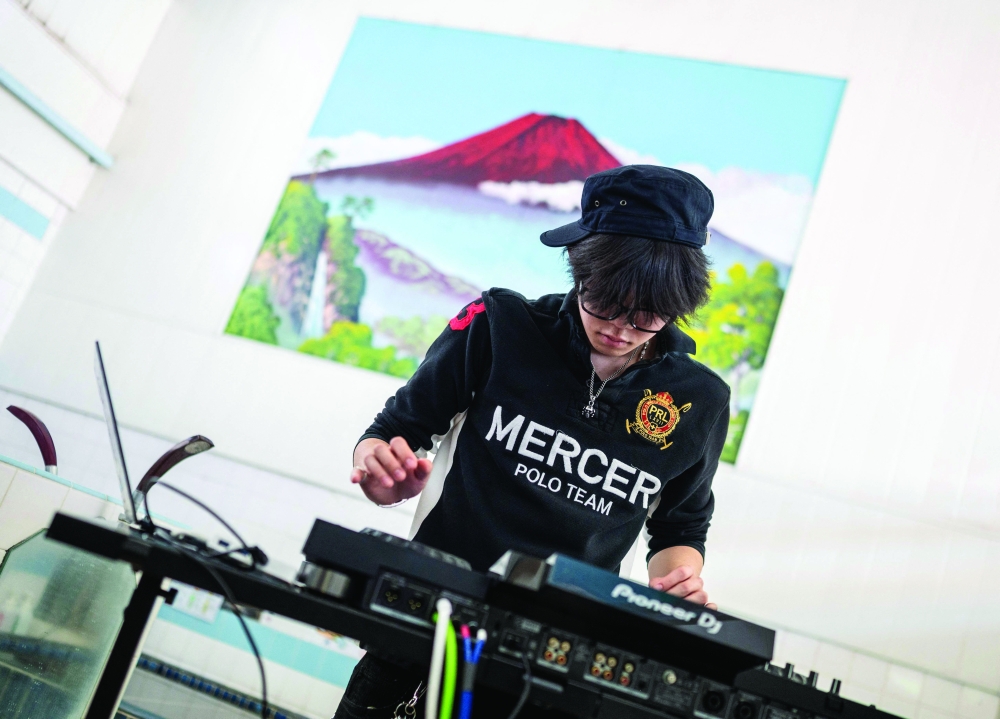





In a century-old Japanese public bathhouse, a DJ performs while men soak in hot baths behind him and students capture the unusual scene on camera.
The Tokyo bathhouse is one of many traditional businesses threatened by urban development and Japan's ageing population. A group of students hopes to preserve its legacy by turning it into a temporary music venue.
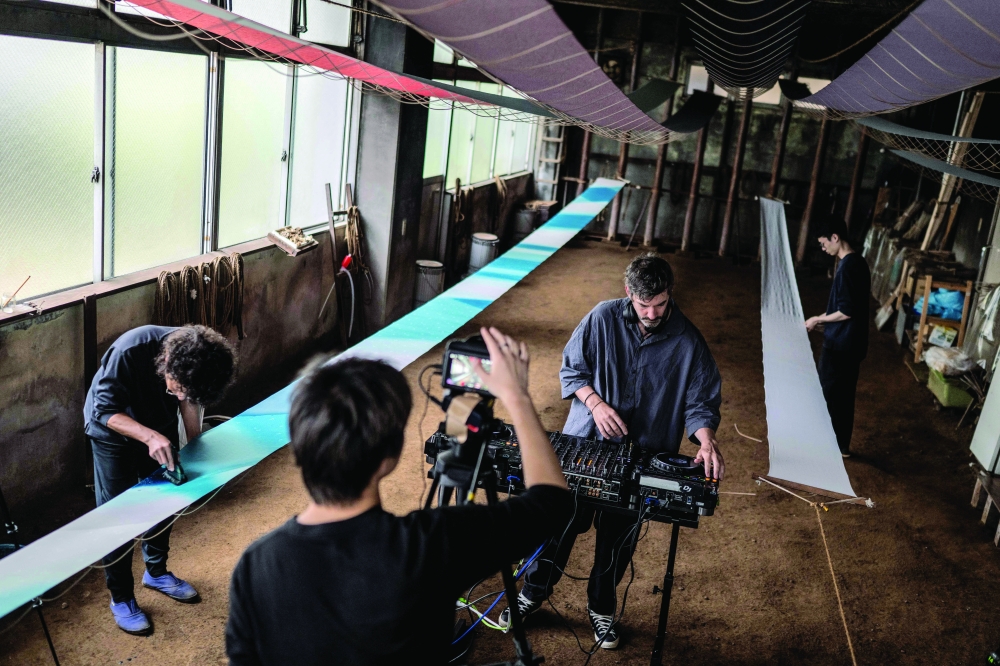
Their collective, Login.jp, travels across Japan filming DJ performances in unexpected locations, including dye workshops, tofu shops, rice fields and rural trains.
The group has produced around 30 YouTube videos, describing the project as a way of "digitally archiving" small businesses by blending everyday life with electronic music.
Founders Jun Kim and Rihito Mizoguchi say their backgrounds shaped the idea. Kim is of Korean heritage, while Mizoguchi spent many years living in the United States.
"Sometimes when you're too close to something, it becomes normalised and your appreciation for it tends to dwindle," said 21-year-old Kim.
"We wanted to re-highlight those experiences for people who live among these businesses and traditions every day."
Through the project, called The Shoten "small shop", the pair also hope to reconnect younger generations with local communities through music.
Mizoguchi, 20, said growing up during the Covid-19 pandemic influenced their musical outlook. With nightclubs closed during their teenage years, they developed an appreciation for music-focused experiences rather than conventional club culture.
The collective uploaded its first video in early 2025, filmed in a fish market in Tokyo's Akabane district, an area known for its retro shopping streets.
Finding willing participants was not easy.
"Each neighbourhood has its own distinct community and way of doing things," Kim said. "You have to take time to speak with the owners and understand the culture around what they do."
He added that the project aims to show a side of Japan that exists beyond famous landmarks such as Tokyo Tower and Mount Fuji.
At Denki-yu bathhouse in Tokyo's Sumida district, DJ Zendo performs while bathers quietly enjoy the music.
"In a typical club, you drink and chat with friends," the 28-year-old DJ said. "Here, taking a bath puts you in a state where you really focus on the music. It's a completely new approach."
Bathhouse owner Katsuhito Okubo admitted he was initially hesitant.
"A lot of people just want to hold events here," he said. "But as we talked, I felt they were genuinely trying to understand our living space."
The 32-year-old took over Denki-yu, which has belonged to his family for four generations, after learning it faced possible demolition.
"Many buildings disappear almost overnight," he said. "Then neighbours ask each other, 'What used to be here?'
Okubo believes the bathhouse is one of the few places where people still practise kyozai — peacefully coexisting without necessarily speaking.
"There are customers who have been coming here for decades. These elderly people teach us the art of simply being together."
The collective hopes its videos will encourage people to rediscover neighbourhood businesses like Denki-yu.
One video filmed inside a stationery shop has attracted more than two million views.
"The owner told us new customers had come in just to look around and hear his stories," Kim said.
"We're making an impact—not necessarily through direct sales, but by encouraging people to appreciate these spaces a little more."— AFP
Oman Observer is now on the WhatsApp channel. Click here