




Long before the first diners entered, before the aroma of seafood filled its rooms and before glasses clinked across its tables, the old house beneath Muttrah Fort had already lived a remarkable life.
Today, after nearly two years of meticulous restoration, the historic building has become Mesa, a contemporary Omani-Portuguese restaurant created by Omani-British chef and food writer Dina Macki. Yet beyond serving memorable meals, the restaurant offers guests a journey through one of Oman’s oldest connections with the wider world.
“This is a beautiful renovation”, Macki shared on her social media, where a series of Instagram Reels document not only the restoration process but also the vision behind the project.
“We have restored a really important piece of history and I’m so glad that part of it gets to be this gorgeous restaurant for everyone to visit”, she said.
Located beneath the walls of Muttrah Fort, the restaurant’s setting carries deep historical significance. The fort, first occupied by the Portuguese after their arrival in Muscat in 1507 before Oman reclaimed the city more than a century later, represents a complex history shaped by conflict, trade and cultural exchange.
Mesa focuses on the latter, exploring the connections that continued long after those historic battles ended.
The restaurant’s name reflects this philosophy. “Mesa” means “table” in Portuguese, Spanish and Swahili, representing the many cultures that have crossed paths in Oman over centuries. Rather than creating a purely Omani or Portuguese dining experience, Macki explores the meeting point between the two traditions.
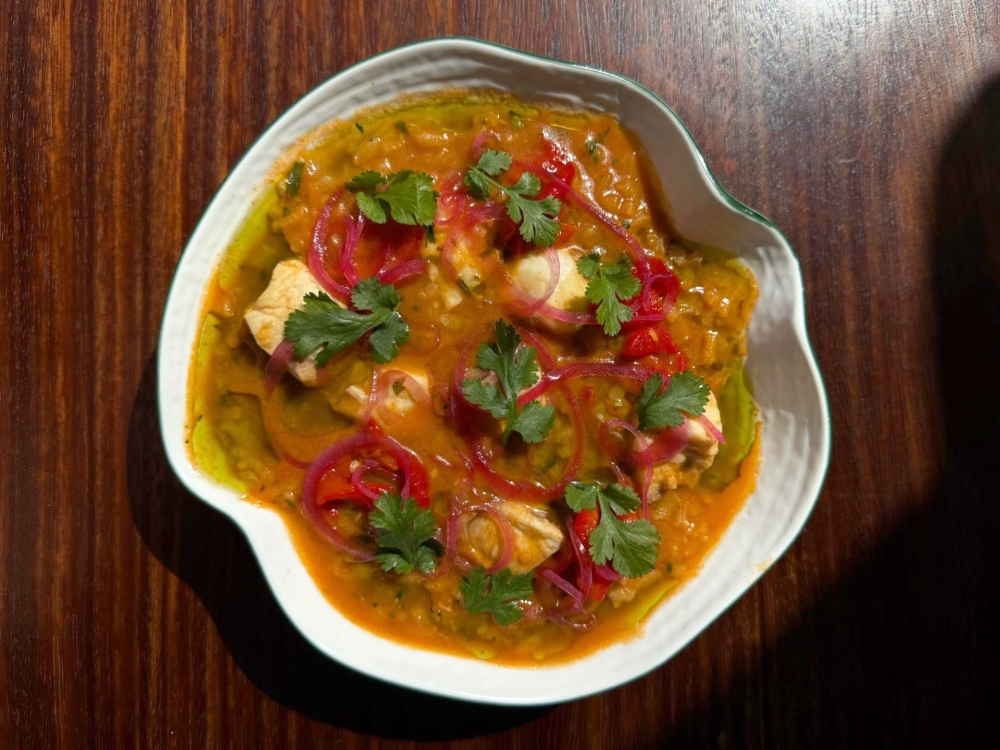
That approach is reflected in the menu, where Portuguese arroz is enriched with an Omani seafood broth and local ingredients are paired with Mediterranean techniques. The result is not fusion for the sake of experimentation, but a celebration of Muscat’s maritime history, where flavours, ingredients and ideas travelled across oceans.
The building itself forms a central part of the experience.
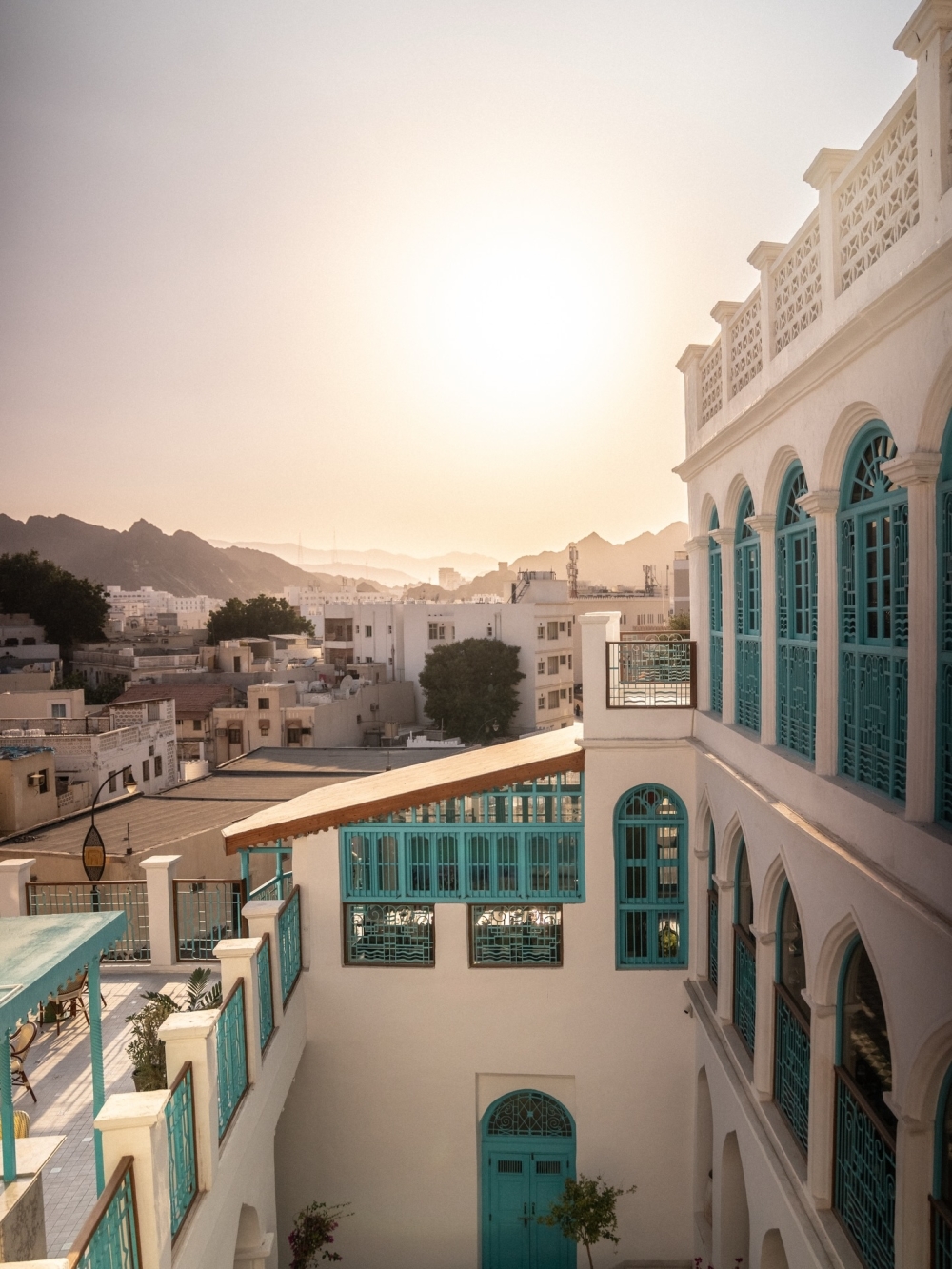
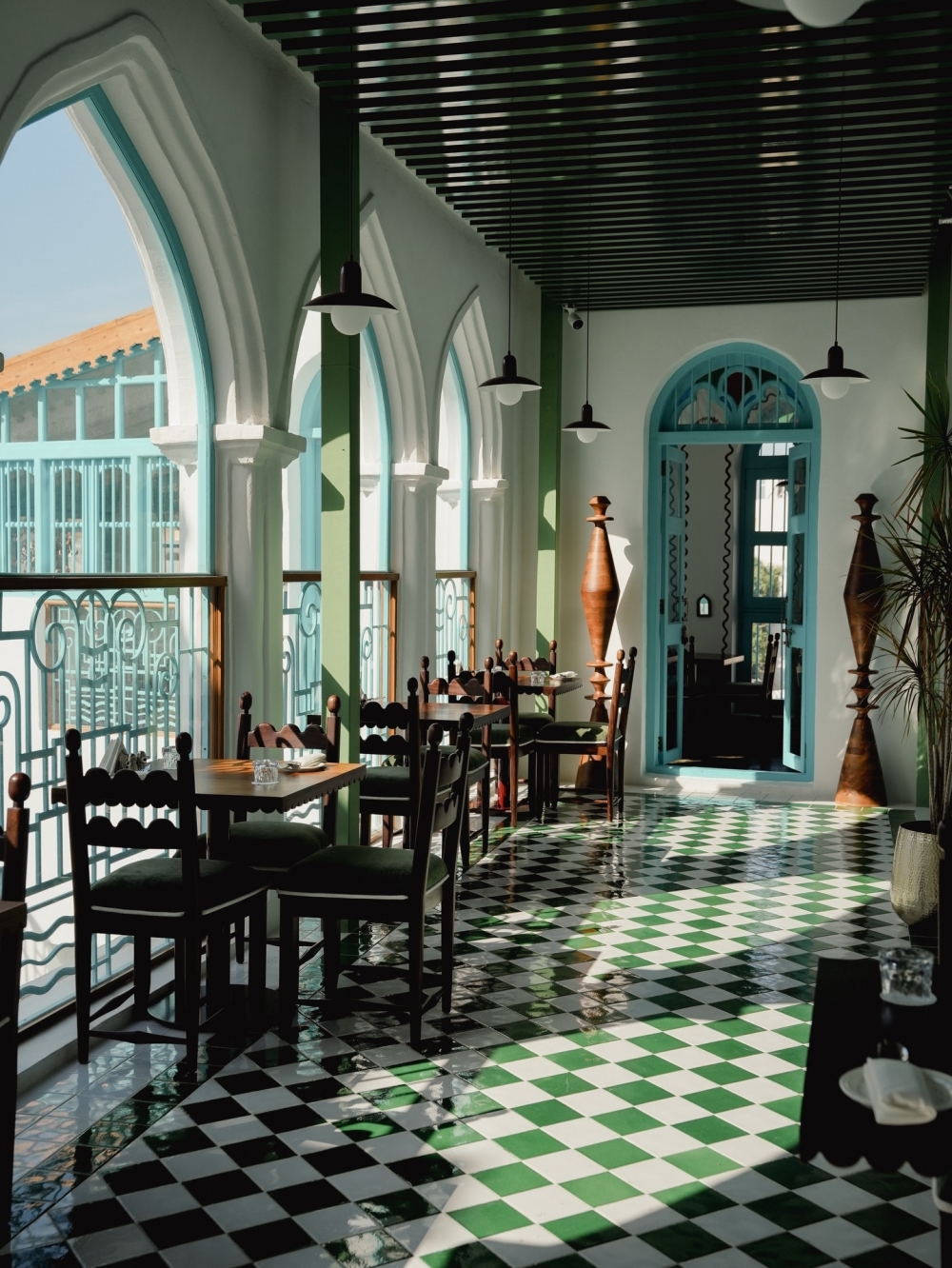
“I can’t believe 720 days later we have made it here”, Macki said. “There is nothing harder than restoring an old house and hoping it will go smoothly”.
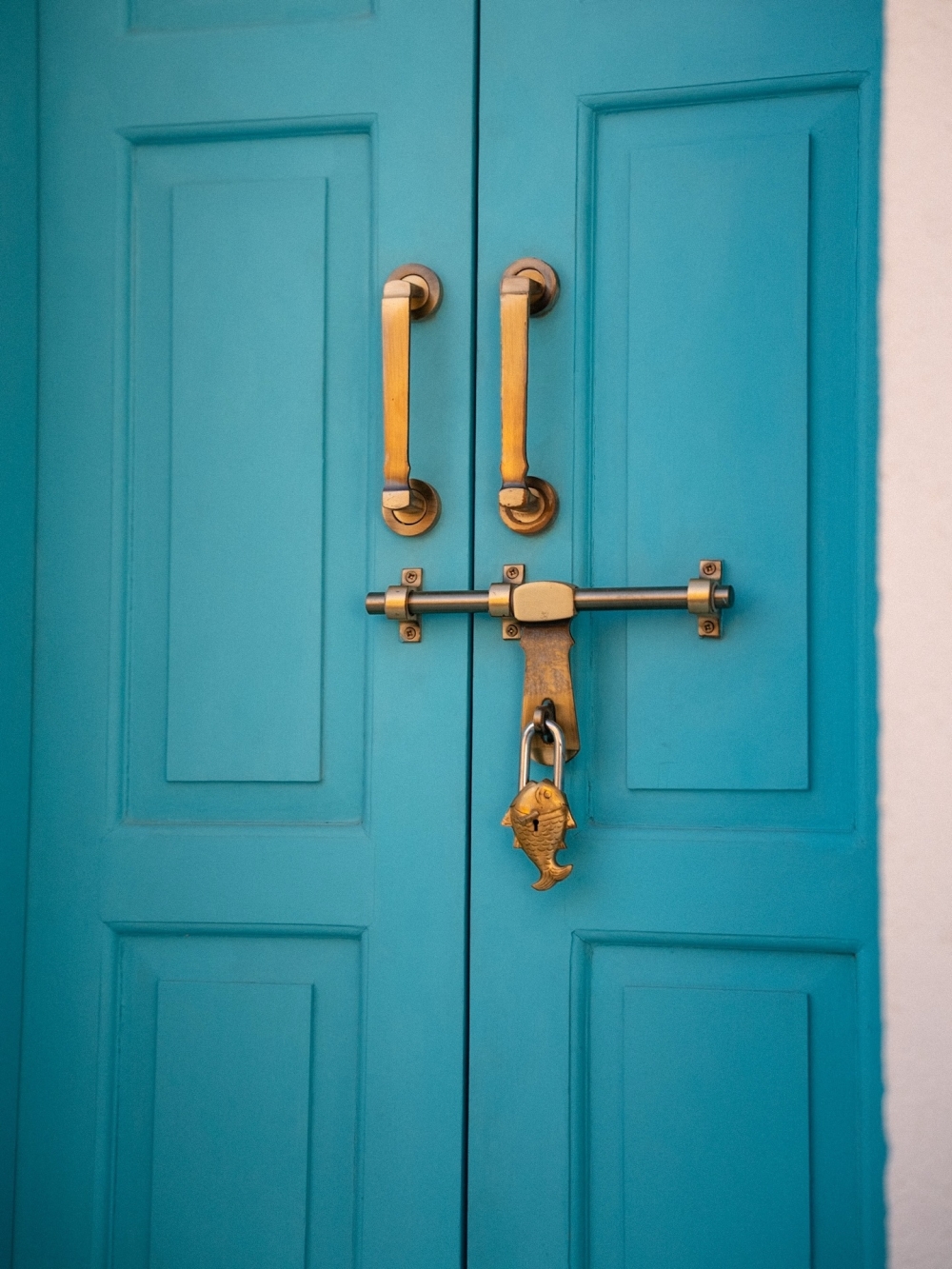
The restoration required careful decisions to preserve the character of the historic home while transforming it into a modern restaurant. From custom-made furniture to handcrafted details, every element was chosen with intention.
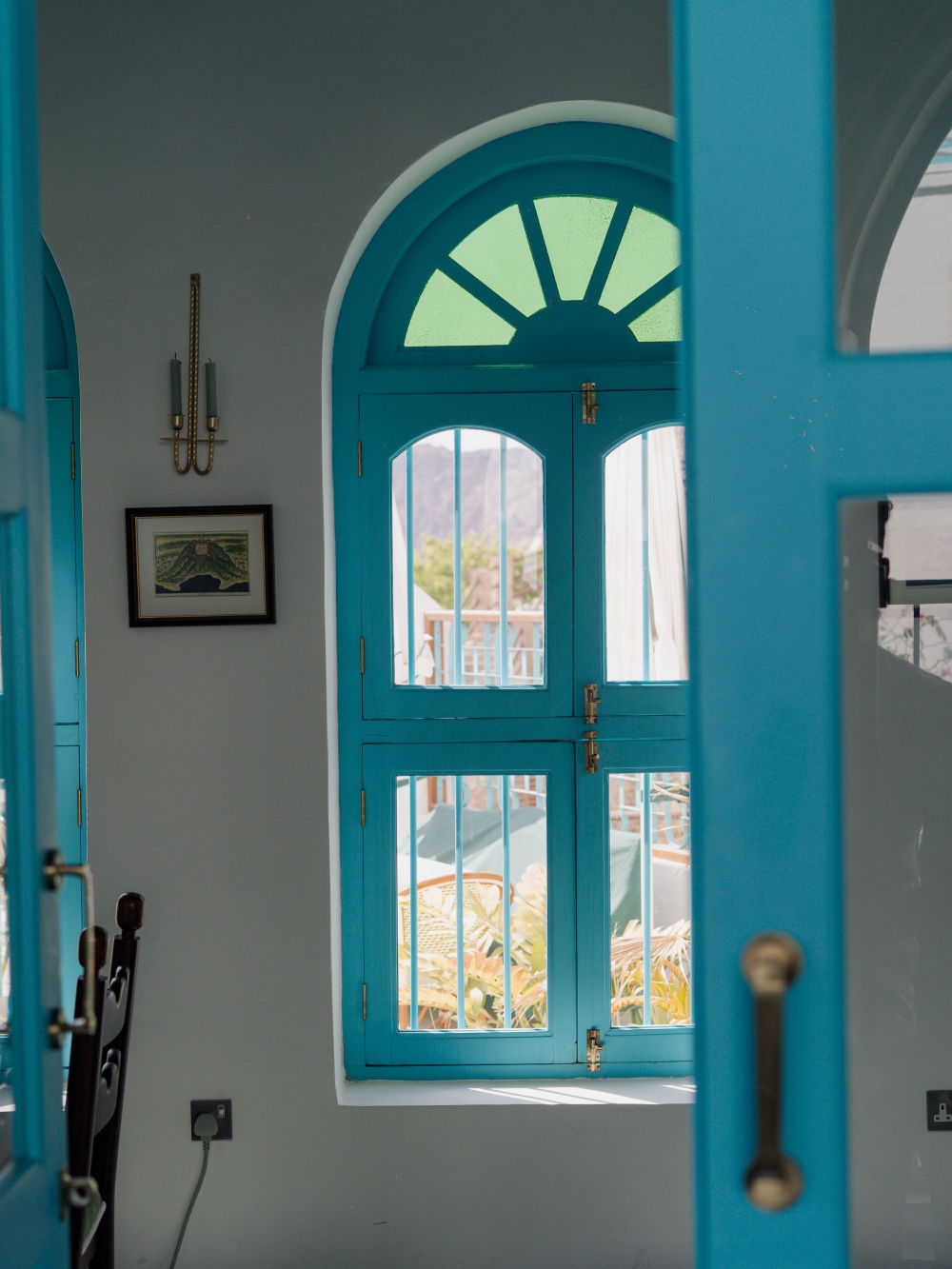
Walking through Mesa feels like exploring chapters of a carefully curated story. The reception features artwork by Omani artist Miran, while handmade sofas with fabrics sourced from Muttrah sit alongside vintage furniture. Custom woodwork from Suhar, traditional Omani-inspired details and Portuguese-style courtyard tiles create a space where both cultures exist naturally together.
One of Macki’s favourite areas is the intimate “Mirror Room”.
“It’s cosy”, she says. “It gives grandma vibes meeting a bar in Portugal”.
Perhaps the restaurant’s most symbolic feature is its indoor veranda, inspired by the traditional architecture of old Muttrah homes. Its wooden ceiling details reference historic designs from the area, while elements of the nearby fort are reflected throughout the space.
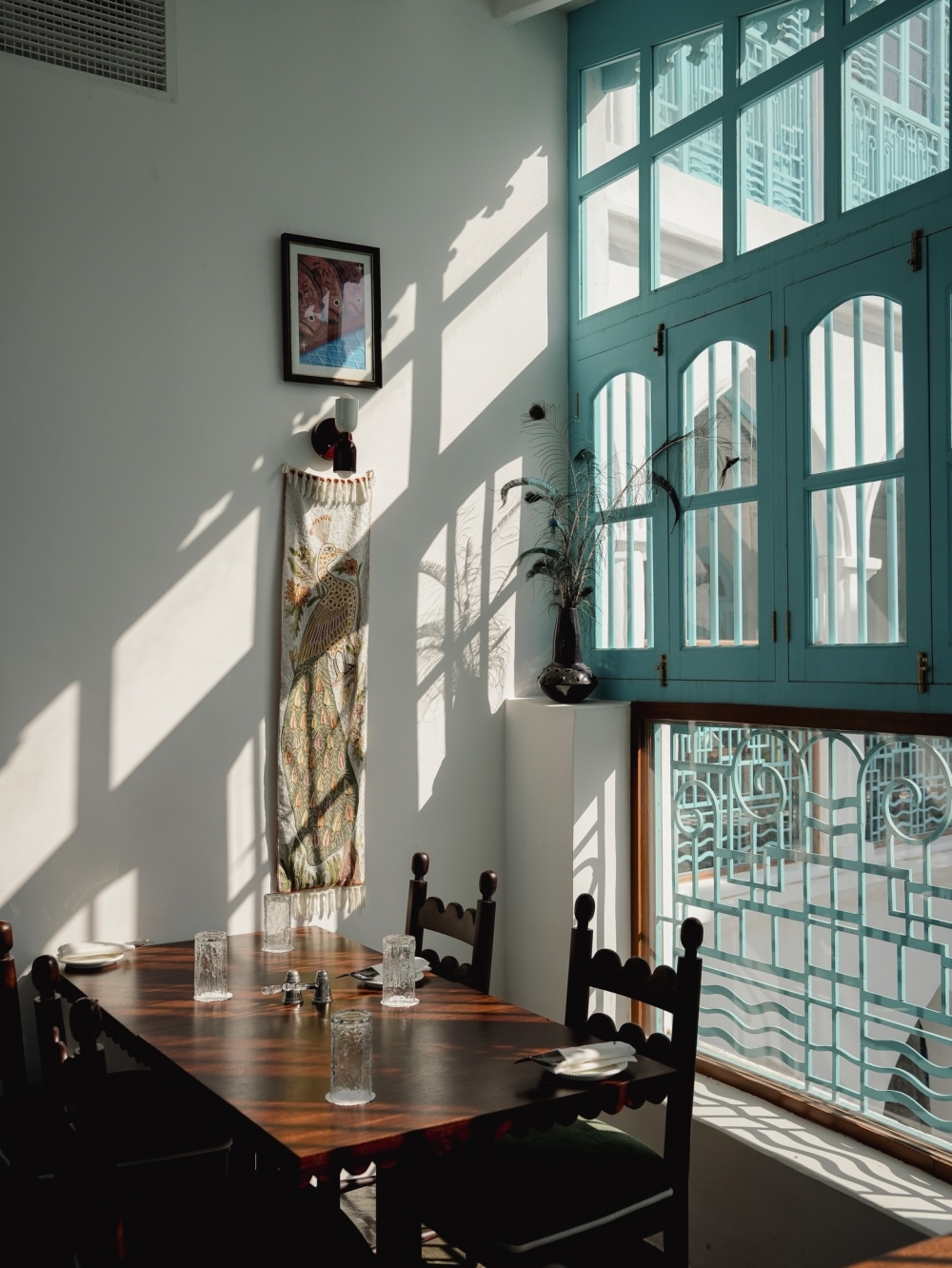
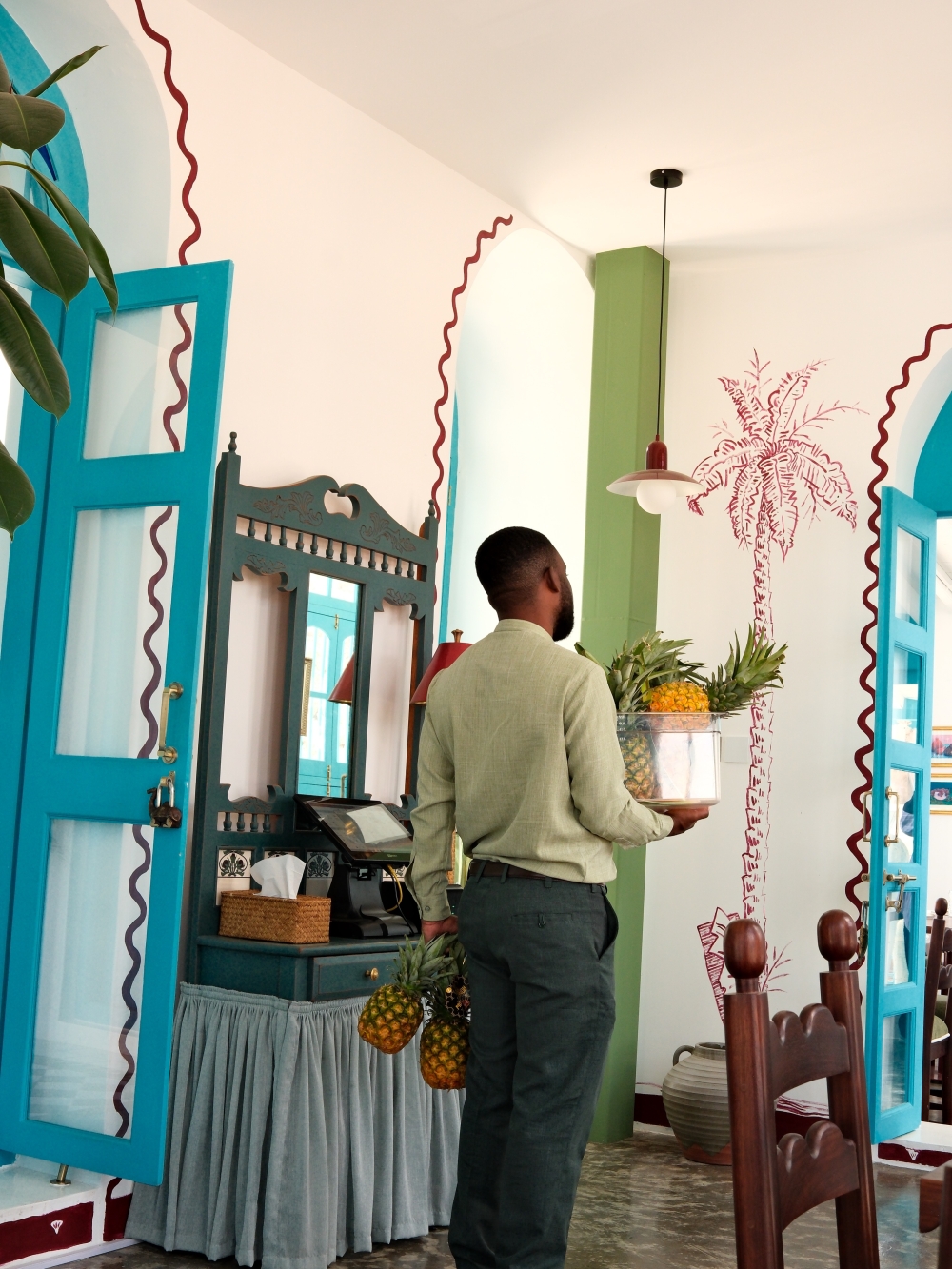
For Macki, every design choice reinforces one message: heritage should be experienced, not simply preserved.
Behind the scenes, bringing Mesa to life has required the same dedication. The restaurant currently relies on a team of at least 20 people to operate smoothly and Macki remains closely involved in daily operations.
“I’ve always thought that if I can’t do the job myself, why should I expect anyone else to?” she says.
Through her cookbook Bahari, television appearances and writing, Macki has spent years sharing the richness of Omani cuisine with global audiences. Mesa represents the continuation of that mission, allowing visitors to experience Oman’s stories through food, architecture and hospitality.
As evening falls over Muttrah, diners leave the restaurant and return to streets that have welcomed sailors, merchants and travellers for centuries. Above them, the fort remains a reminder of history’s endurance. Beneath it, Mesa offers a quieter message: that heritage is not only preserved in monuments, but also in the moments shared around a table.
Oman Observer is now on the WhatsApp channel. Click here