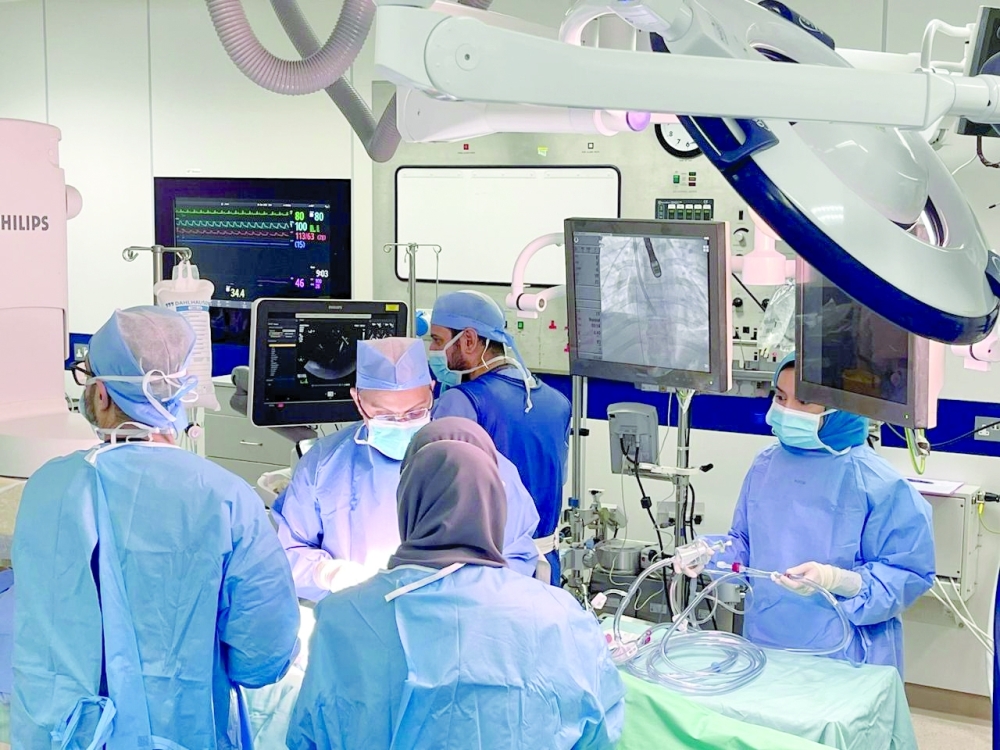
I visited the Royal Hospital in Oman recently with one clear purpose: to help ensure that a member of my wife’s family, also a dear friend who is very ill, received the best treatment possible. When someone is seriously unwell, you don’t have time for vague reassurance. You look for the right level of expertise, timely escalation and a team that will take the patient’s needs seriously and urgently.
I should add that my experience is not confined to the Royal Hospital. I have received a good level of medical care in another hospital in Oman and that consistency matters. It suggests the standard is not merely down to one building or one department, but reflects a wider competence across the system. Before the consultation, I spoke with the doctor handling general medicine, Dr Zulfiqar, who was about to visit my wife’s cousin on his morning rounds. I explained that I expected a consultant specialist to be involved because the illness was specific and serious, not something that should be treated as a generic case. I also told him I would ask technically relevant questions, because I did not think a generalist visit could answer everything properly.
I like this doctor, but I was genuinely uneasy at the prospect of a specialist not being present. To his credit, he dealt with my questions directly and competently, with explanations that showed deep understanding across a wide range of medical issues. My doubt was replaced by confidence, and what began as an anxiety became reassurance grounded in substance, not sentiment. What impressed me most was the blend of professionalism and empathy. Facilities and equipment matter, but healthcare is ultimately delivered by people. In this consultation, the doctor’s communication was clear, his thinking was careful and he responded as if the patient’s welfare truly mattered — not only as a clinical case, but as a human situation that families carry with fear and responsibility.
I am British and I am not here to condemn doctors and nurses in England. Many of them are excellent. In my experience, they care deeply. But the pressures associated with overcrowding, bed constraints and stretched capacity can limit what clinicians are able to do, even when they personally want to provide more time and more attention. When pressure mounts, the difference patients feel is often not the intent of staff but the availability of time, the speed of decisions and the confidence that specialists will be brought in when they need to be. That helps explain why some people feel drawn to seek medical care abroad. It is rarely about dismissing expertise at home. Often it is about seeking certainty: the certainty that the right specialists are accessible, that questions will be answered honestly and technically and that care will escalate swiftly when conditions worsen.
For me, Oman stands out not only for hospital investment and continuous improvement but also for the atmosphere around patient care. I have also seen broader progress in education and administration and in sectors such as telecommunications. Healthcare requires major funding and budgets shape capacity and outcomes. What I have observed in Oman suggests that sustained investment is translating into real standards at the bedside. After leaving the Royal Hospital, I felt grateful and genuinely reassured that my friend had been properly assessed and that the care plan was grounded in competence. Oman, for me, continues to feel like a place where people can access high-quality medical treatment with real compassion. And for residents and Omanis alike, that should be something to recognise and feel proud of.
Oman Observer is now on the WhatsApp channel. Click here