




Muscat, July 2
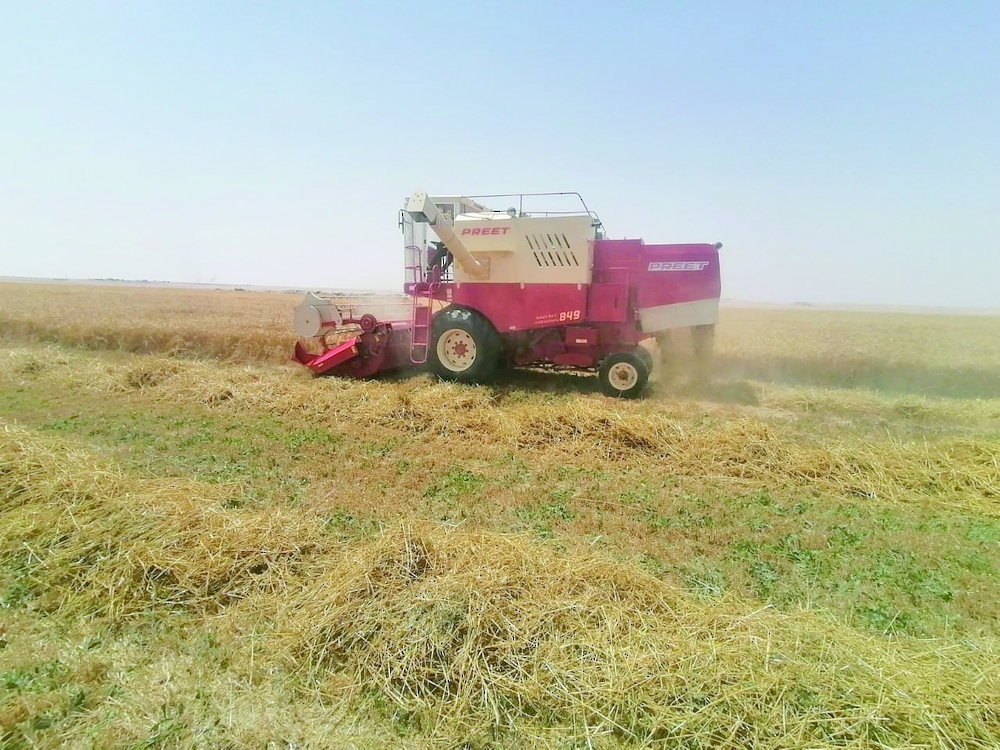
Oman Flour Mills Company is expected to receive around 9,000 tonnes of locally produced wheat during the 2026 harvest season, sourced from approximately 54 farmers across various governorates of the Sultanate of Oman, according to Faisal bin Salim al Maashani, Executive Office Manager at Oman Flour Mills.
Al Maashani said that nearly 50 per cent of the anticipated volume has already been received, reflecting steady progress in the procurement process and indicating a positive outlook for the current season.
He noted that the figures demonstrate growing confidence among farmers in the local wheat programme and underline the continued expansion of wheat cultivation across the country. The increasing participation of farmers also highlights the success of efforts aimed at strengthening domestic agricultural production and improving market access for local crops.
According to Al Maashani, the programme has now reached its sixth season, enabling farmers to accumulate valuable practical experience in managing wheat production and supply operations. Over the years, producers have become more familiar with procurement requirements, quality standards and post- harvest handling procedures, resulting in improved efficiency throughout the supply chain.
He explained that wheat farming today extends beyond cultivation alone and requires comprehensive seasonal management, including selecting the optimal harvesting period, maintaining grain quality, preparing the crop for delivery and ensuring compliance with procurement specifications. This growing expertise among farmers has contributed to higher-quality yields and smoother delivery operations.
Al Maashani attributed part of the programme’s success to the close coordination between Oman Flour Mills and the Ministry of Agriculture, Fisheries and Water Resources. The ongoing collaboration has helped streamline procurement procedures, provide technical guidance to farmers and address challenges that affected previous seasons.
The partnership has also strengthened the overall organisation of the wheat collection programme, supporting farmers while enhancing the sustainability and efficiency of local wheat production.

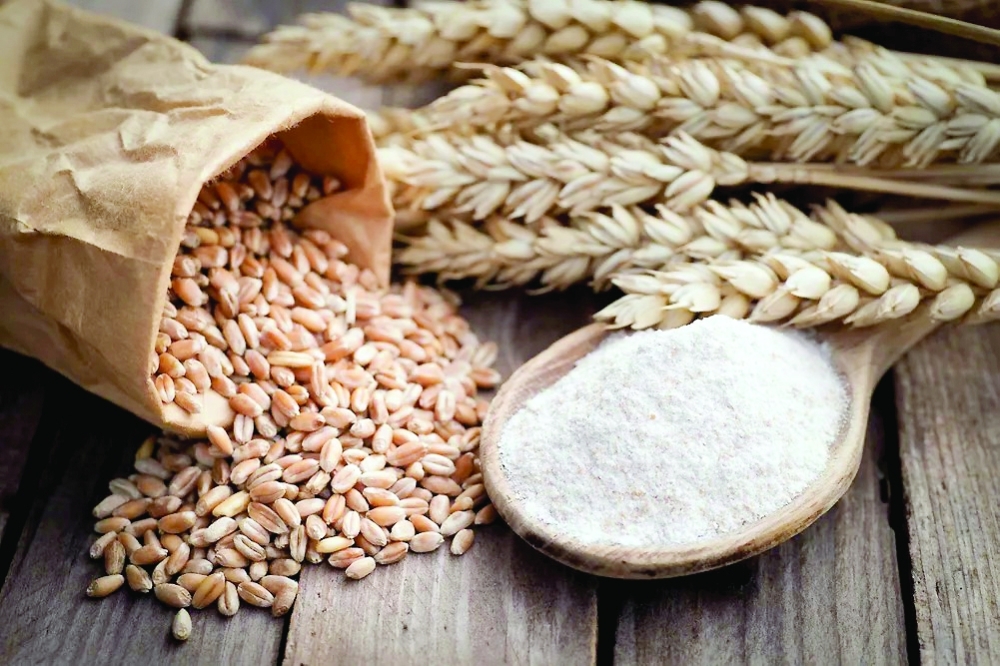
As one of Oman’s strategic crops, wheat plays an important role in strengthening national food security.
The continued increase in local production contributes to building a more resilient food system, reducing reliance on imports and improving the country’s ability to respond to global supply chain disruptions and market fluctuations.
Al Maashani emphasised that the programme aligns with the objectives of Oman Vision 2040, which prioritises economic diversification, sustainable development and food security. Expanding local wheat production supports national efforts to increase self-sufficiency in key food commodities while creating new opportunities for agricultural development and rural prosperity.
The steady growth witnessed in Oman’s wheat sector in recent years reflects the effectiveness of national initiatives aimed at encouraging agricultural investment, adopting modern farming practices and enhancing productivity. These efforts are expected to further strengthen the contribution of agriculture to the national economy and support long-term sustainability goals.
With procurement operations continuing across the country, the 2026 season is shaping up to be another milestone for Oman’s wheat programme, reinforcing the Sultanate of Oman’s commitment to food security and the objectives outlined in Oman Vision 2040.
Oman Observer is now on the WhatsApp channel. Click here