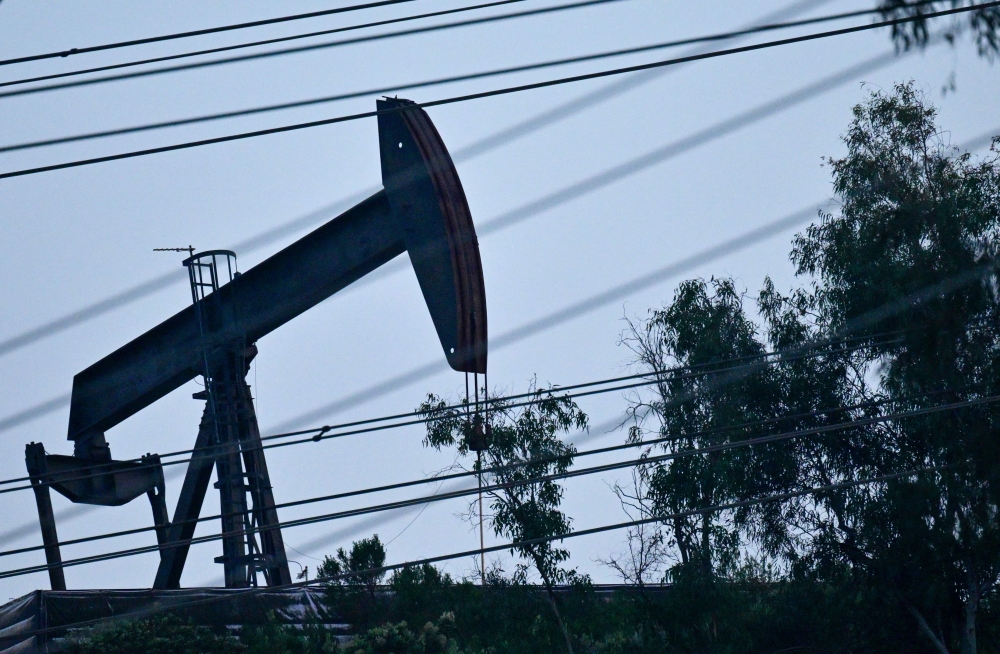
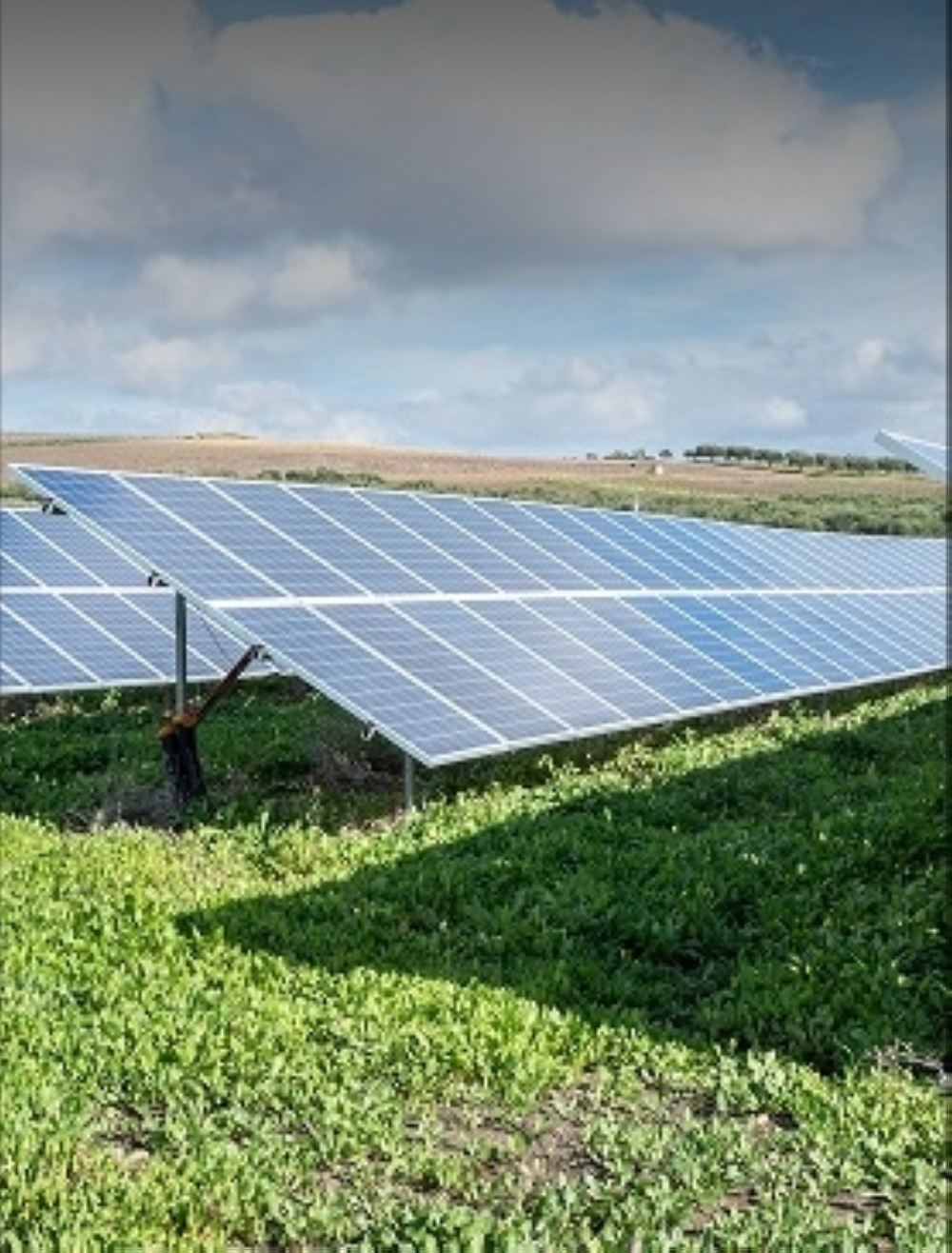
On the same day, somewhere in the world, three financial transactions take place. A green bond helps finance a solar energy project designed to reduce carbon emissions for the next thirty years. An Islamic sukuk funds infrastructure intended to support economic activity while sharing risk among investors. At the same time, a speculative trade executed in milliseconds generates a substantial profit without creating a single physical asset, job or productive enterprise.
All three transactions are legal. All three involve capital. All three generate returns. However, are they morally equivalent?
For decades, the global financial establishment operated under a convenient consensus: finance was a neutral mechanism, an amoral engine designed solely to allocate capital and maximise returns. This "value-neutral" stance posited that whether capital funded a hospital or a purely speculative high-frequency trade was a matter of market efficiency, not morality.
Today, this paradigm is collapsing. We are witnessing a historic transition from finance as a simple mechanism to finance as a moral system. For global investors and policymakers, this shift represents a strategic pivot; the "shrug" with which markets once met the social and environmental consequences of capital allocation is being replaced by a rigorous, purpose-driven framework that views finance as a primary architect of our collective future.
The strategic divergence of this new era is best illustrated by the above-mentioned three simultaneous transactions. While all three generate returns, they are no longer economically or morally equivalent. The speculative trade represents systemic friction—unproductive rent-seeking that increasingly acts as a legacy risk in a climate-constrained world. Conversely, the green bond and sukuk represent future-proofed assets with tangible asset-backing, signalling a fundamental redefinition of "return on investment" from short-term nominal gains to the long-term viability of the productive economy. The dissolution of this value-neutral consensus is not merely philosophical; it is being codified by the movement of capital across the global balance sheet.
The transition toward ethical and sustainable finance has transcended its origins as a niche movement to become a fundamental market shift. The scale of assets governed by purpose-driven mandates has reached a critical mass, fundamentally altering the "moral geography" of the global marketplace. As institutional actors move to de-risk their portfolios from environmental and social volatility, the mobilisation of capital toward ethical ends is accelerating.
The sheer volume of the current financial landscape underscores this transformation. The benchmark for total global financial assets remains at approximately half a quadrillion dollars ($500 trillion). Islamic Finance has surpassed $4 trillion in value, exhibiting an accelerated growth rate that consistently outpaces many conventional banking segments. Sustainable Debt Instruments have seen the mobilisation of multi-trillion-dollar capital pools through specialised instruments, including Green Bonds/Sukuk, Social Bonds/Sukuk, and Sustainability-Linked Bonds.
Mid-sized economies like the Sultanate of Oman are increasingly leveraging the principles of moral geography to deepen their domestic debt and equity markets. By integrating ethical and sustainable frameworks, Oman is not merely reacting to global trends but is strategically positioning its financial sector to attract high-quality, long-term capital that aligns with national development goals.
A closer look at the Omani market reveals a maturing financial landscape characterised by increasing depth and regulatory sophistication. While green and sustainable finance remains modest, Oman has emerged as a standout "late entrant" in the Islamic finance industry, with Islamic finance now accounting for over 20 per cent of total financial assets. This success has provided a natural foundation for the country’s broader ESG regulatory framework, facilitating the adoption of mandatory reporting and climate-related disclosures.
This regional implementation highlights a broader trajectory toward a global convergence of financial philosophies, where ethical mandates become inseparable from market participation.
In an era where climate risk and social welfare are becoming inseparable from financial yield, long-term strategic forecasting is a baseline requirement for capital preservation. The future of capital will not be defined by a competition between "conventional" and "sustainable" models, but by their eventual convergence into a single, unified operating paradigm.
Based on current growth trajectories and regulatory shifts, the next three decades will unfold in two distinct phases: 2026-2035, the Hybrid Era, and 2036-2050.
By 2035, conventional finance will still represent approximately 80 per cent of global assets. However, these assets will be "conventional" in name only. They will be fundamentally altered by mandatory sustainability disclosures and climate-risk assessments. Capital allocation will be dictated by mandates that treat ESG factors as core financial metrics rather than optional extras.
By mid-century, 2050, the distinction between "sustainable" and "conventional" finance will disappear. Sustainability will not replace conventional finance; it will become inseparable from it. In this era, any investment failing to account for its environmental or social impact will be viewed as an unmanageable risk.
Islamic finance is projected to reach $10–15 trillion by 2050. However, this growth is contingent on the industry realigning with its foundational principles of risk-sharing, productive enterprise, and social welfare. By doing so, it provides the "moral architecture" and a blueprint for the risk-sharing models that the wider global market is now seeking to ensure systemic stability. This evolution suggests that today's diverse financial philosophies are converging toward a single point of synthesis.
The trajectory of global finance is moving toward a grand convergence. The future of the market does not belong to any single philosophy in isolation; instead, it belongs to a system where conventional finance provides the necessary scale, sustainable finance ensures systemic resilience, and ethical and Islamic finance provide the social conscience and moral architecture required for long-term stability.
Ultimately, the defining question of twenty-first-century capital has shifted. We have moved past the era where the only metric of success was the generation of returns. The new, essential standard for capital is whether those returns can be generated without undermining the environmental, social, and moral foundations upon which all future wealth depends. Success is now defined by the preservation of the very world that makes the returns possible.
Oman Observer is now on the WhatsApp channel. Click here