




MUSCAT, JUNE 22
The numbers in Oman's State Final Account for Fiscal Year 2025 tell a more interesting story than the headline deficit figure. Development spending reached RO 1.577 billion — RO 437 million more than the approved budget allocation of RO 1.140 billion.
That 38 per cent overshoot was not an accident. According to the Ministry of Finance, the increase reflected additional allocations pushed to government units and governorates specifically to speed up the delivery of approved projects. In other words, the government had projects sitting on the books and chose to fund their execution.
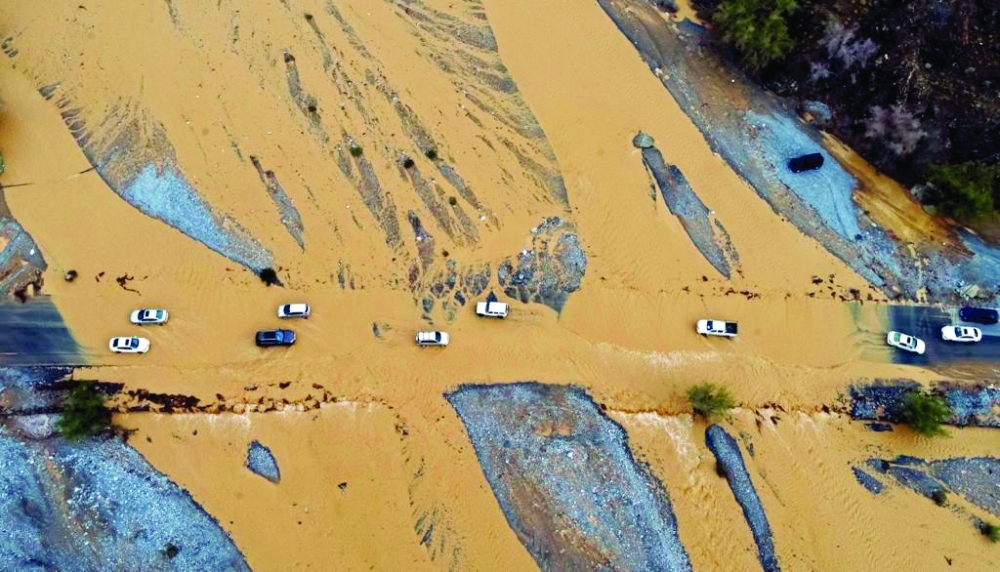
Infrastructure received RO 682 million, or 43 per cent of total development spending. This covers roads, airports, seaports, water systems, urban planning and government administration — the physical backbone of economic activity.
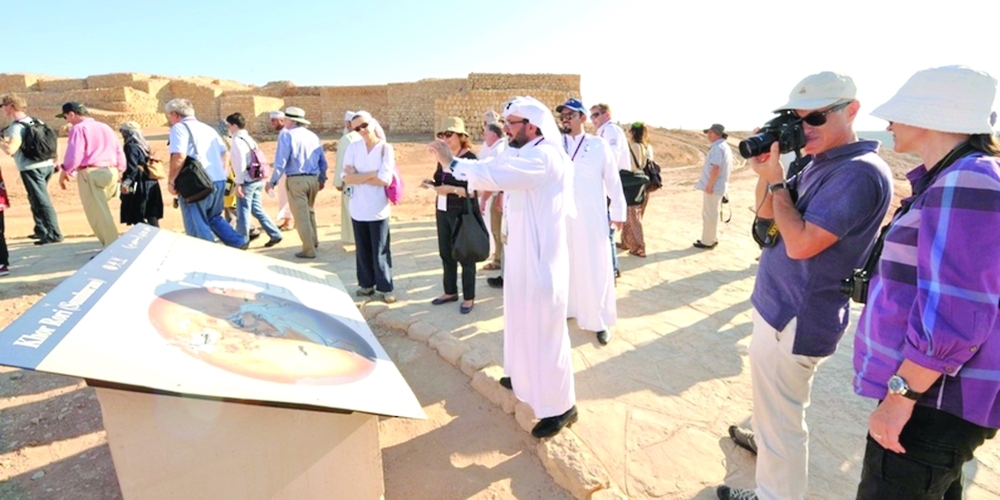
Social infrastructure followed with RO 630 million, representing 40 per cent of the total. Schools, hospitals, information systems and cultural facilities sit inside this category — the investment that defines what life actually looks and feels like across Oman's governorates.
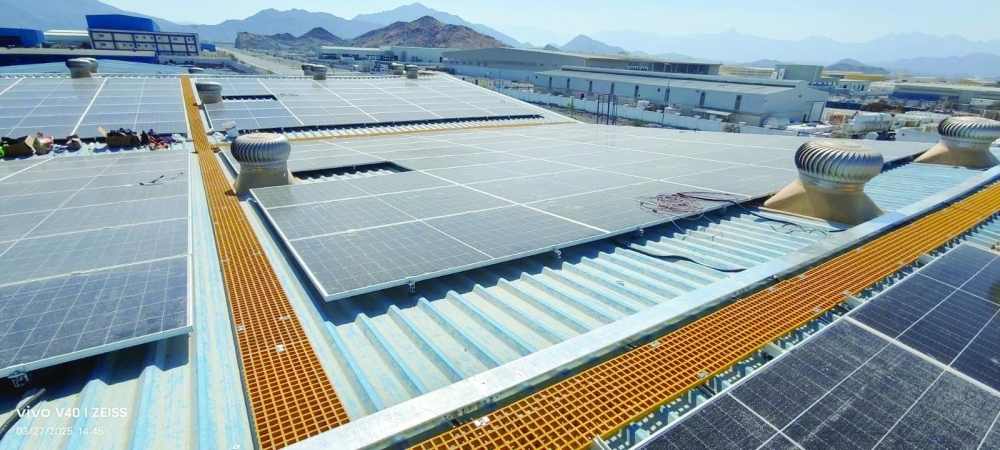
The remaining 17 per cent was split between services-producing sectors — housing, electricity, water, commerce and tourism at RO 194 million — and goods-producing sectors covering energy, minerals, agriculture and fisheries at RO 71 million.
The rise in development spending matters beyond the accounting. It signals that Oman is using a period of relative fiscal stability to close infrastructure gaps rather than simply run down the deficit. That is a deliberate policy choice, and the right one.
The question the final account cannot answer on its own is where the spending actually went. Which governorates gained most? Which projects were delivered, and which were paid for but not yet completed? How much of the RO 1.577 billion reached local companies and SMEs rather than large contractors or foreign firms?
These are the details that separate a budget story from a development story. The final account shows Oman spent more than planned on long-term infrastructure and services. The next layer of disclosure should show what that spending produced.
Oman Observer is now on the WhatsApp channel. Click here