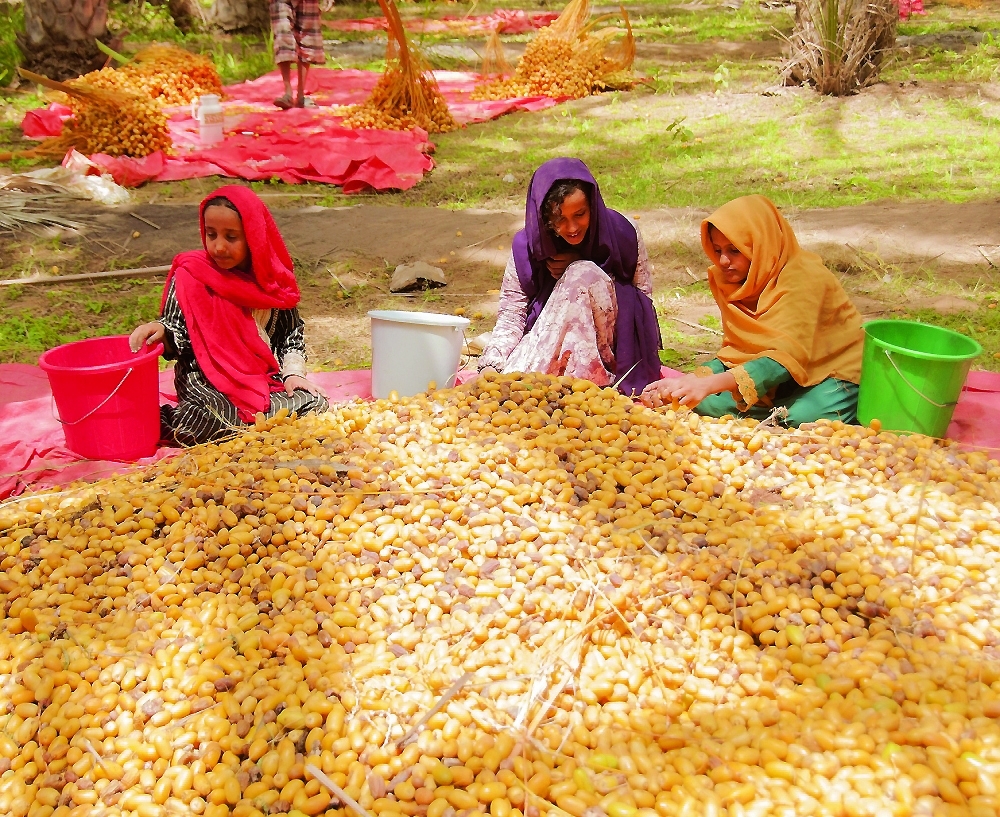





For many visitors to Oman, summer may appear to be a season defined by soaring temperatures and long sunlit days. For Omanis, however, the arrival of summer signals something far more meaningful: the beginning of Al Qaydh, a traditional harvest season that has shaped agricultural life, social customs and community relationships for generations.
Al Qaydh marks the period when dates, mangoes and other seasonal fruits begin to ripen across Oman.
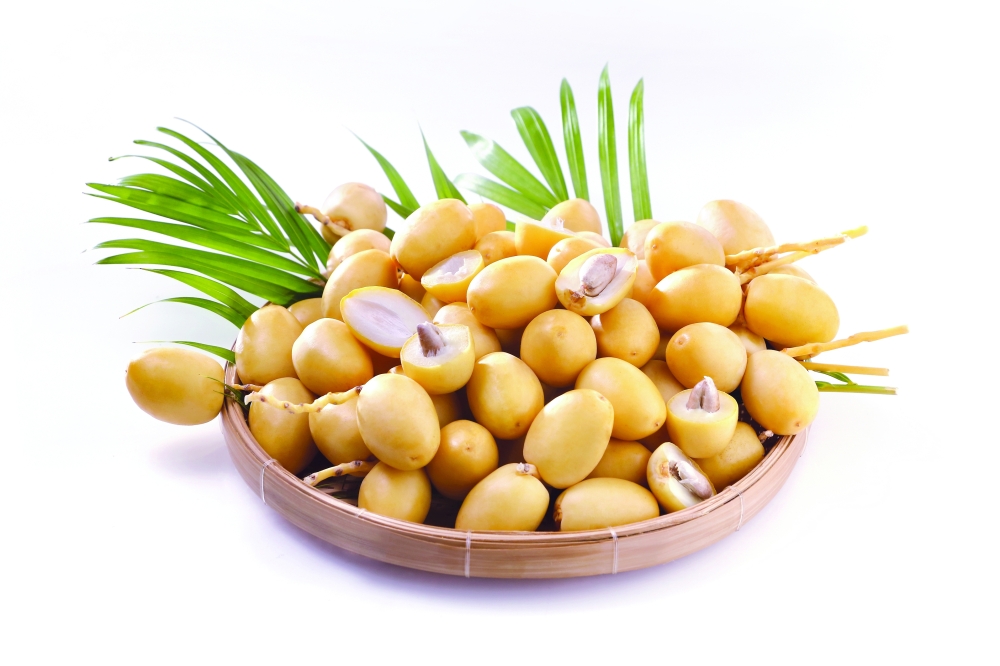
The season usually starts in May with the appearance of Tabasheer Al Rutab — the first ripe dates of the year — and continues throughout the summer months. For farming communities, these early fruits are more than a sign of harvest; they signal the arrival of one of the most anticipated times of the year.
Unlike in many parts of the world, where intense summer heat is often viewed negatively, Oman’s farmers have long associated rising temperatures with abundance.
The summer sun plays a vital role in ripening dates and mangoes, transforming them from green fruit into sweet produce that fills homes, markets and family gatherings across the country.
The harvest begins with early date varieties such as Naghal and Salani. According to Nasser al Sawafi, educator and social commentator, the Salani variety is among the first to ripen and is known for its pleasant flavour and relatively low sugar content.
As the season progresses, other varieties, including Hilali and Khasab, begin to appear, each carrying distinctive colours, tastes and characteristics familiar to generations of Omanis.
Water availability remains central to the success of the season. Dr Ali al Hamdi, CEO of Arz Engineering and Investment Holding and Chairman of the Food Security Committee at the Oman Chamber of Commerce and Industry’s Al Batinah North branch, highlighted the importance of water resources in sustaining agricultural production.
Referring to the early signs of harvest in Wadi Hibi, he noted that abundant water supplies, supported by a key groundwater recharge dam serving the area, have contributed to expectations of a promising agricultural season.
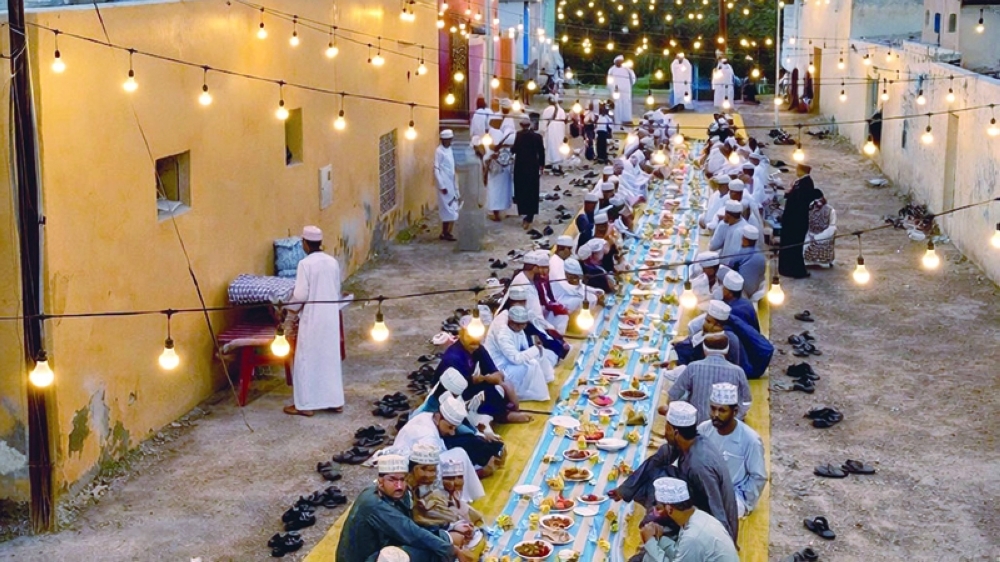
Yet Al Qaydh represents far more than agriculture. Its significance extends beyond farms and orchards into the social fabric of Omani society. For generations, families have shared fresh dates and seasonal produce with relatives, neighbours and friends, continuing traditions that strengthen social bonds and reflect deeply rooted values of generosity and hospitality.
Social media activist Majid al Marhoon explained that the arrival of the harvest often inspires people in northern Oman to send fresh dates to loved ones in Dhofar. Such gestures, he said, help bridge geographical distance and reinforce feelings of affection, unity and shared identity among communities across Oman.
For farmers, the season carries both emotional and economic importance. Farmer Abdullah al Battashi described Al Qaydh as far more than a period of harvest.
“Al Qaydh is a season we eagerly await throughout the year because of the blessings and abundance it brings. As the dates begin to ripen, farms become lively again and social gatherings increase. The season is deeply connected to traditions and cultural heritage rooted in Omani society,” he said.
Al Battashi added that Omani dates are not merely an agricultural product but an essential part of the country’s identity and daily life. The season provides opportunities for families to gather, exchange produce and strengthen social ties, while also generating important economic returns for farming communities.
As summer unfolds across Oman, the spirit of Al Qaydh can be seen in farms, markets and homes alike. The season remains a cherished part of Omani life, bringing with it the simple pleasures of fresh harvests, shared gifts and treasured moments of togetherness.
Oman Observer is now on the WhatsApp channel. Click here