
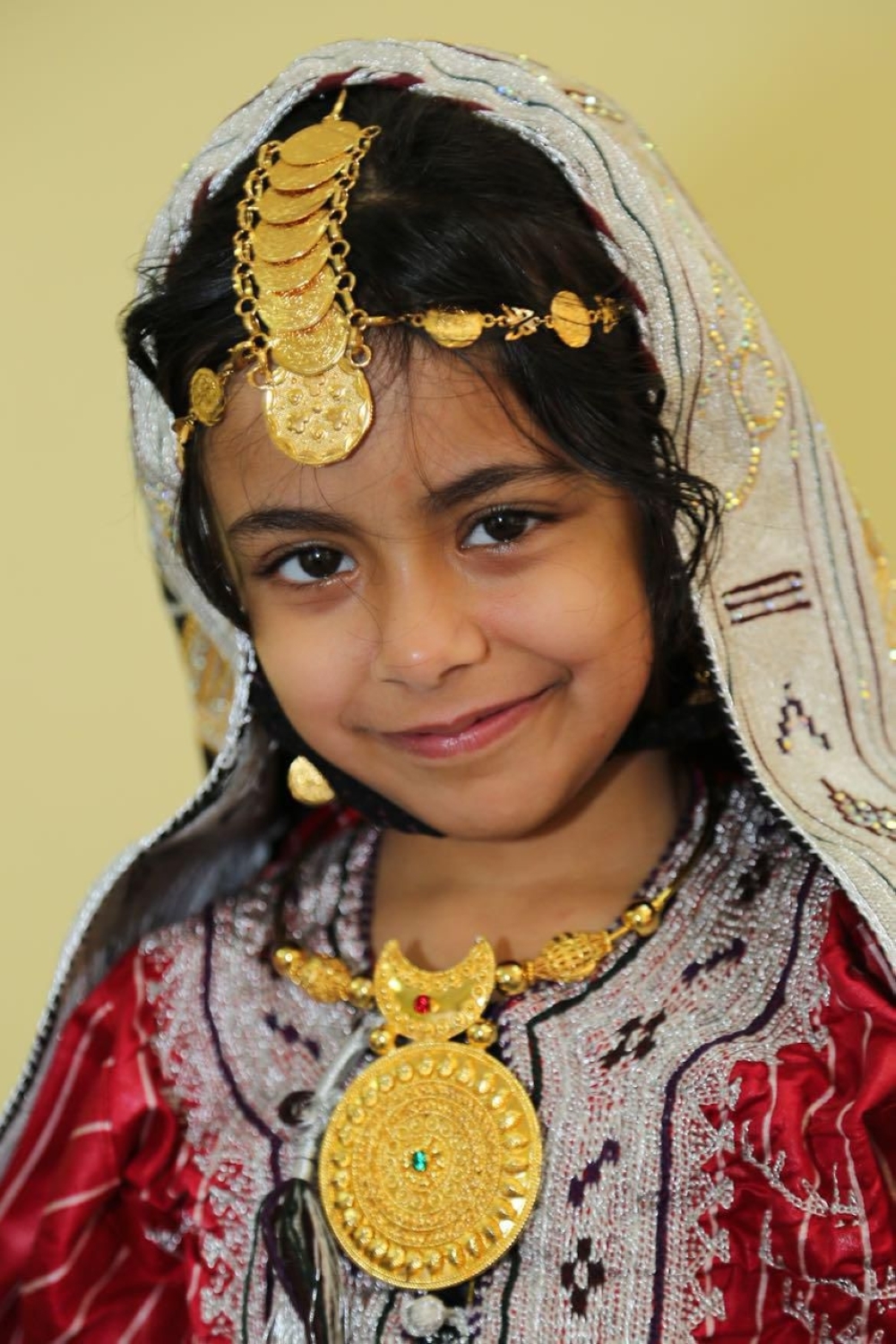





In old photographs of Omani women, it is not only the dress that catches the eye, but the boldness of colour. Deep red, emerald green and rich purple appear alongside embroidery that flows across the fabric like artwork.
At first glance, one might assume these garments belonged to women who lived in comfort and luxury. In reality, many were worn in times when daily life was shaped by hardship, demanding work, harsh climates and limited resources. Yet Omani women did not mirror those hardships in plainness. Instead, they surrounded themselves with colour, as if insisting that beauty was not a privilege reserved for easier lives, but a right carried within.
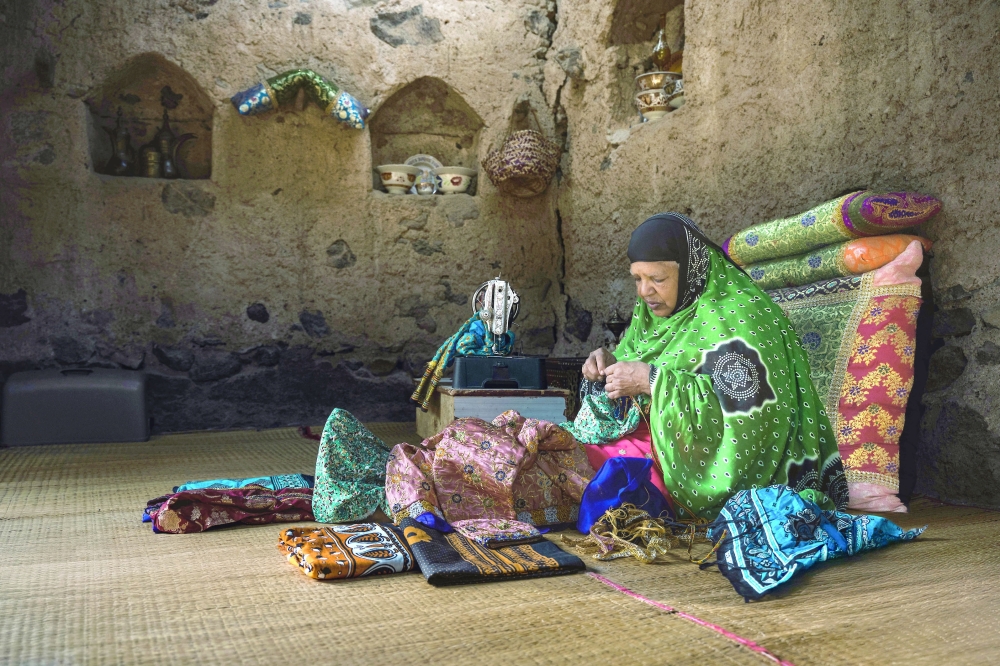
In traditional Omani women’s fashion, colour and embroidery were never merely decorative. They formed a visual language of identity, belonging and social status. Abrar bint Nasser al Hadhrami, social researcher and member of the Omani Social Association, said these details documented the lives of Omani women across generations.
“Embroidery and colour patterns reflected a woman’s connection to her tribe or region, while also mirroring the geography and climate of each area,” she said. “Bright and richly embroidered fabrics in coastal regions symbolised openness to trade and maritime life, whereas darker or heavier tones in interior and desert regions reflected a more conservative and practical environment.” These garments were also shaped by Oman’s long history of exchange. Gold and silver zari threads came from India and Persia, sequins and tassels carried Ottoman influence, while silk fabrics arrived through maritime trade routes with China and India. The result was clothing that was both deeply local and quietly cosmopolitan, rooted in Omani identity while carrying traces of the wider world.
According to Al Hadhrami, embroidery was also a mark of craftsmanship and artistic taste, often inspired by nature, local heritage and daily life. It transformed clothing into a cultural document, reflecting the diversity of Oman’s regions, tribes and traditions. The richness of fabric and embroidery could also signal social standing, with more elaborate pieces worn by wealthier women or reserved for weddings, holidays and special occasions.
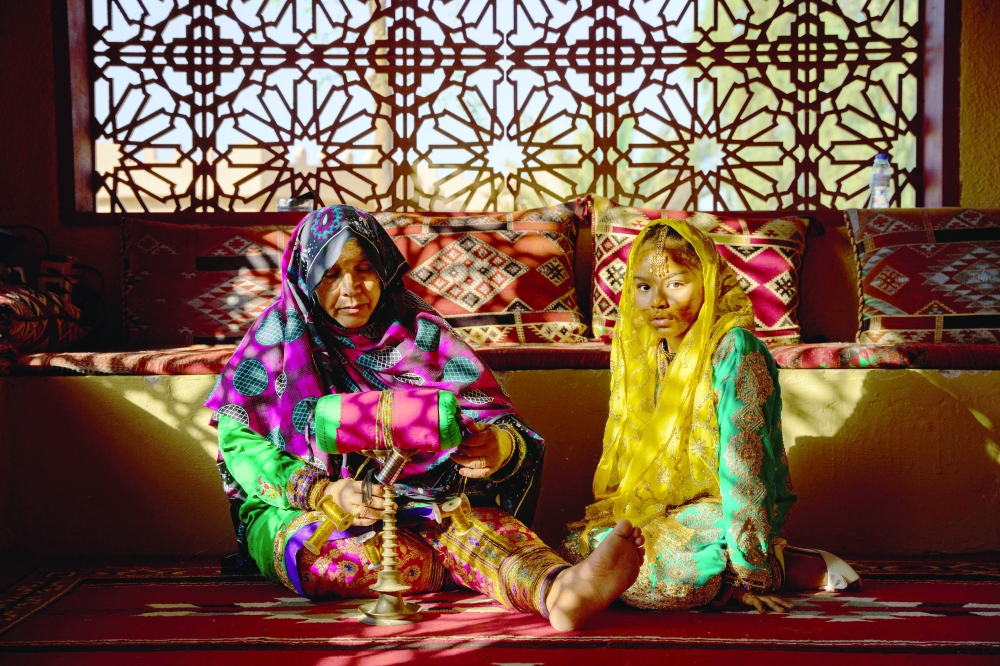
Al Hadhrami referred to a 2026 study by Fatema al Balushi, titled “The Role of Traditional Women’s Fashion in Preserving the Omani Identity,” published in the Journal of Arts and Social Sciences. The study highlights how geography and history shaped the diversity of Omani women’s clothing.
In Muscat, trade with India and Pakistan introduced richly embroidered fabrics and both hand and machine stitching. In Dhofar, the monsoon season influenced lighter and more colourful garments suited to the coastal climate. In Musandam, proximity to Iran and the UAE brought cross-cultural decorative motifs.
In the Interior, particularly Nizwa, women’s clothing featured dense embroidery and traditional jewellery. In Al Batinah North and Al Batinah South governorates, styles reflected a blend of coastal and mountain influences. In Al Sharqiyah North and Al Sharqiyah South governorates, Sur’s seafaring heritage appeared in marine-inspired embroidery, while Bidiyah became known for gold and silver jewellery integrated into dress.
“Women across Oman used various techniques to decorate their garments, focusing embroidery on the chest, sleeves, neckline and lower edges of dresses and trousers. This enhanced beauty while strengthening seams and openings, giving clothing both elegance and durability,” Al Hadhrami noted.
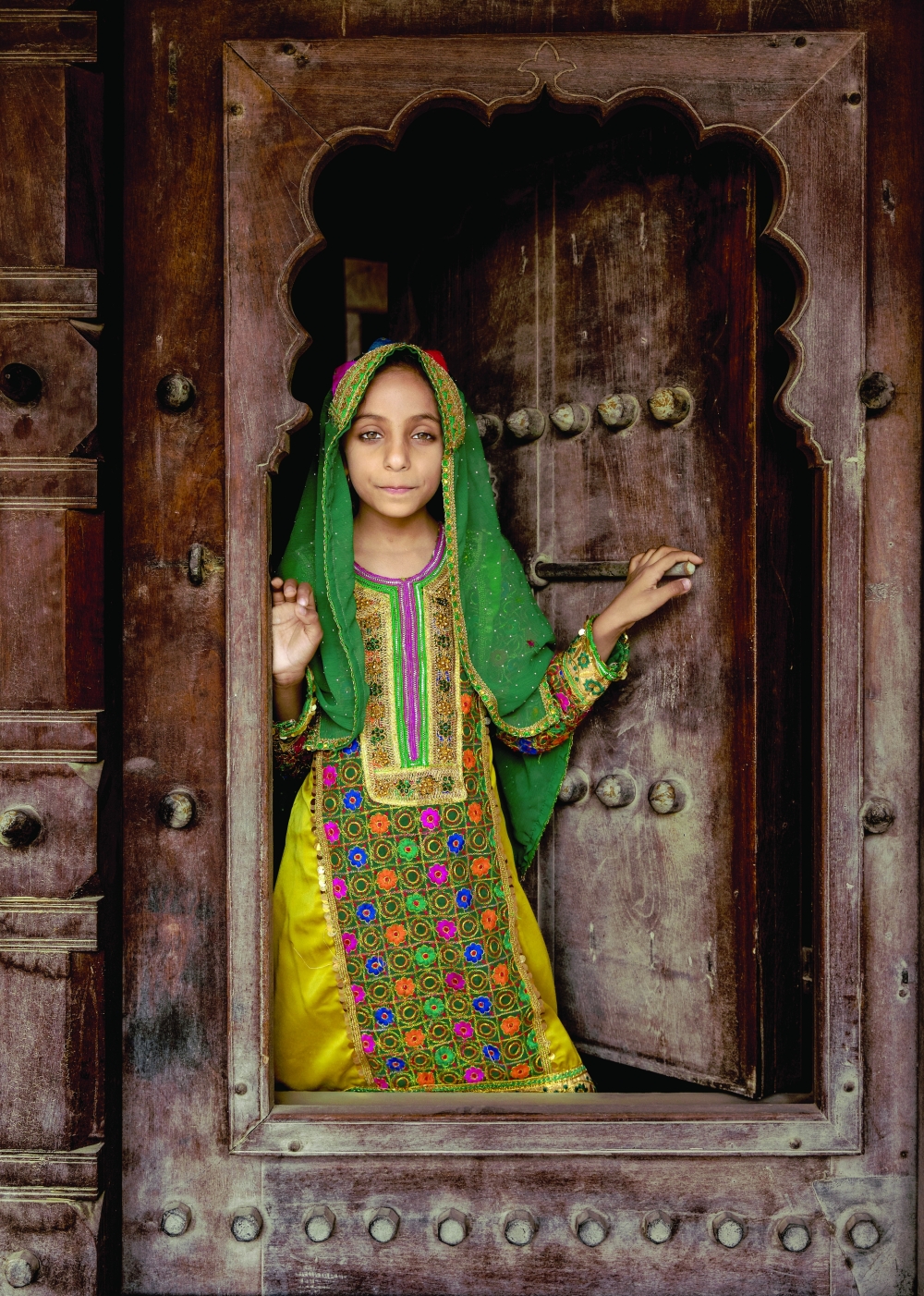
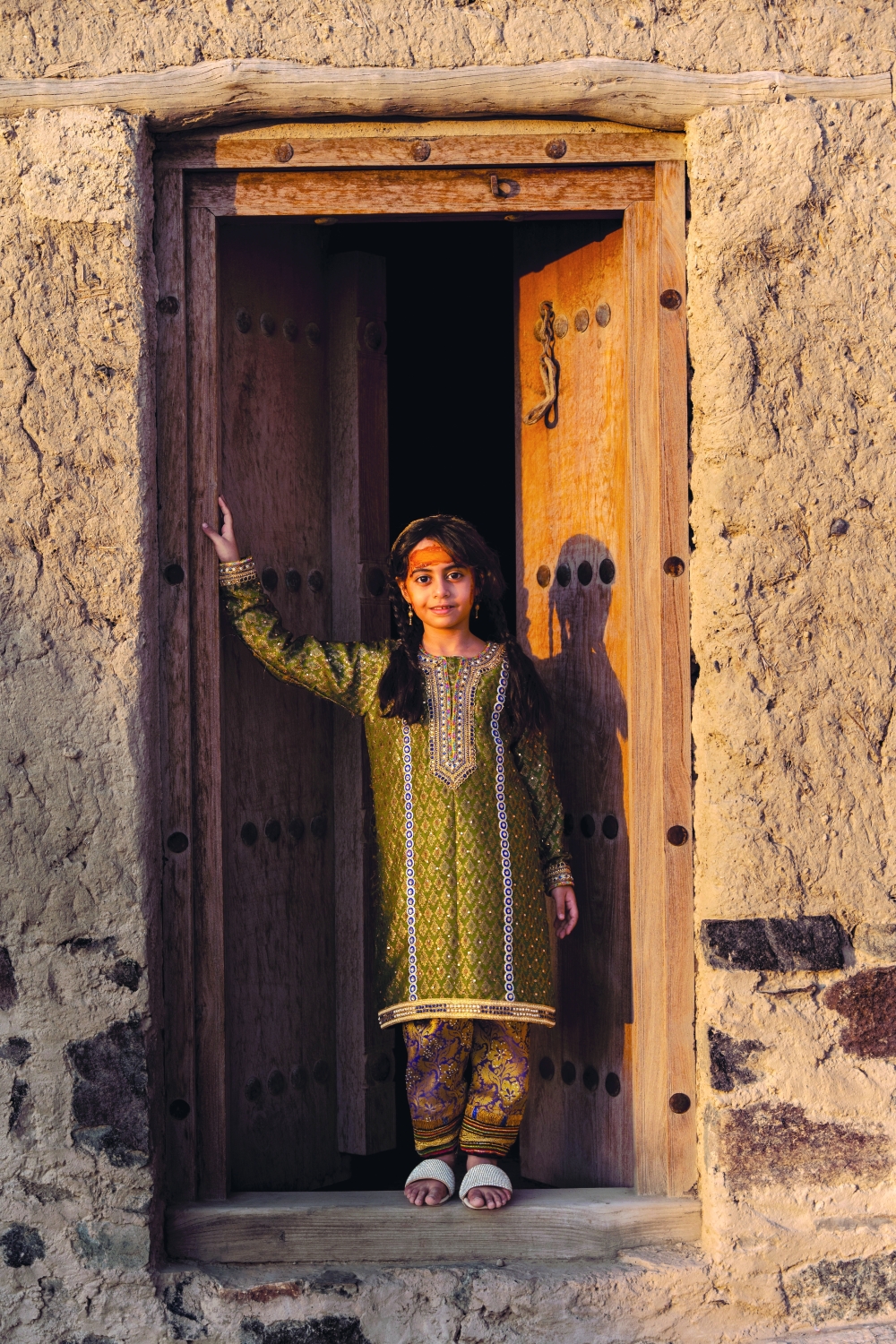
From a sociological perspective, she said, the striking visual presence of traditional fashion can be understood as a form of inner balance. Bright colours and intricate decorations were not only aesthetic choices, but ways of bringing joy, pride and resilience into daily life.
Today, traditional clothing remains visible during celebrations and social occasions, serving as an expression of identity and collective memory. The study found that 65 per cent of women adhere to traditional dress during social occasions and holidays, while 70 per cent value its unique features and elegant appearance, especially among women aged 40 to 50.
For Al Hadhrami, traditional women’s fashion carries three main meanings: social status, aesthetic taste and psychological balance. More than tangible heritage, it remains a social language through which Omani women affirm their presence and preserve national identity across generations.
Photos by Abdulrhman al Kindi www.instagram.com/abdulrhman.alkindi
Oman Observer is now on the WhatsApp channel. Click here