




MUSCAT, JUNE 14
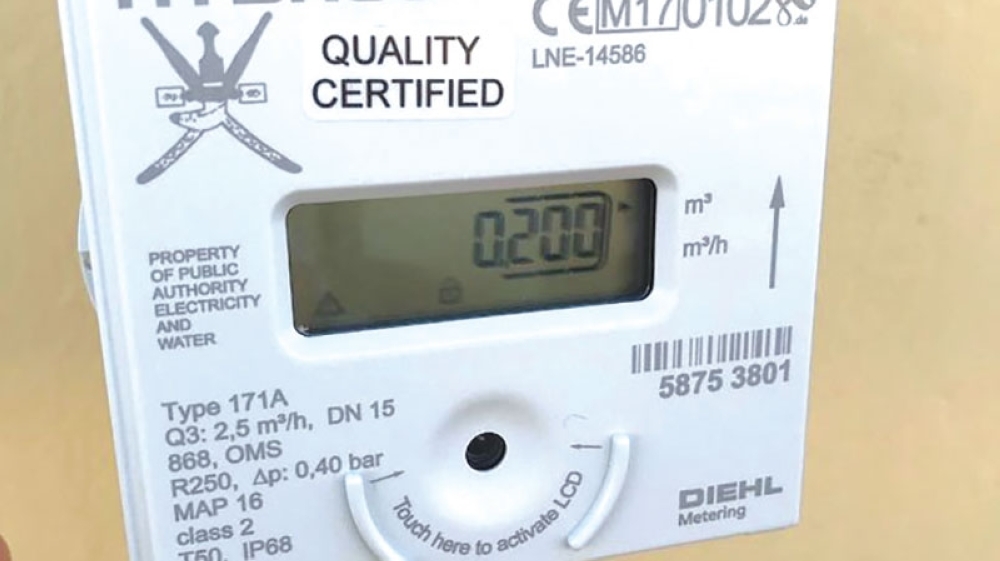
The Sultanate of Oman's move towards expanding the use of smart meters in the water sector represents a significant step in its efforts to enhance the efficiency of natural resource management and improve public spending.
The adoption of these technologies is part of Oman's broader economic diversification efforts, where improving the efficiency of public services is a key pillar for enhancing the competitiveness of the national economy and its attractiveness to investment. Furthermore, introducing digital solutions in the water sector opens the door to the development of supporting industries and services such as smart metering systems, data analytics, and network management solutions, thus contributing to the creation of new economic opportunities linked to the digital economy.
Nama Water Services explained that it is implementing a phased plan to complete the smart meter rollout, prioritising densely populated areas, older meters, and cases relying on estimated readings, in addition to locations that contribute to increased water loss and revenue. It noted that achieving full coverage depends on site readiness, the availability of communication networks, ongoing upgrades, and addressing technical and field challenges. Currently, coverage has reached approximately 99.5%.
Nama Water Services emphasised that smart meters have directly contributed to reducing reliance on estimated billing by providing accurate and regular readings, improving the billing cycle, minimising manual intervention, increasing data accuracy, and reducing disputes related to unavailable or delayed readings.
Regarding prepaid metering, the company explained that it enables subscribers to directly manage their consumption, continuously monitor their balance, and control their monthly spending. This reduces the accumulation of debt, enhances transparency between the company and subscribers, and improves the efficiency of revenue collection. It was also explained that smart meters contribute to detecting abnormal consumption patterns such as leaks, tampering, malfunctioning meters, and illogical readings by analysing and comparing data between different areas and main meters. This supports the analysis of technical and commercial losses and enables faster corrective action.
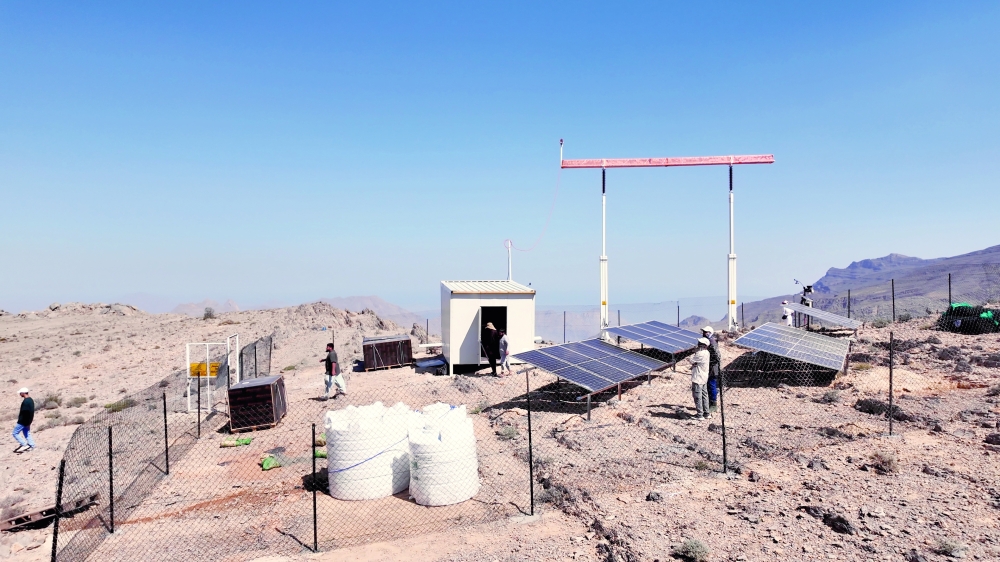
On the technical side, the company indicated the use of multiple communication technologies to ensure continuous data transmission. These include Internet of Things networks such as 4G and NB-IoT, LoRaWAN technology, as well as remote reading systems or hybrid solutions. The appropriate technology is selected based on the nature of the area, coverage quality, energy consumption, and connectivity, which aligns with the diverse geographical characteristics of the Sultanate of Oman.
The company emphasised that meter data is linked to central systems for data management, billing, and digital applications. Rigorous verification processes are implemented to ensure the accuracy of information before it is presented to subscribers, by matching meter data with the account number, location, and connection status.
Regarding the challenges, it explained that the most prominent complaints include high bills after meter replacement, internal leaks, weak connectivity, and delayed meter readings. Other complaints include disputes over prepaid meter balances or requests for meter accuracy checks. These cases are addressed by reviewing consumption history, examining readings before and after replacement, verifying leaks, and conducting field inspections when necessary.
Nama Water Services pointed out that smart meters also contribute to detecting hidden leaks by monitoring abnormal flows during periods of low consumption, thus facilitating early intervention before bills become inflated.
Oman Observer is now on the WhatsApp channel. Click here