




MUSCAT: Oman is advancing a broad set of initiatives aimed at raising oil and gas production efficiency while expanding the use of renewable energy and cutting carbon emissions across the sector.
The Ministry of Energy and Minerals said its efforts are aligned with Oman Vision 2040 and the national target to achieve net zero by 2050. The strategy combines policy development, investment incentives, new technologies and stronger regulation to support a gradual transition towards a lower-carbon energy system.
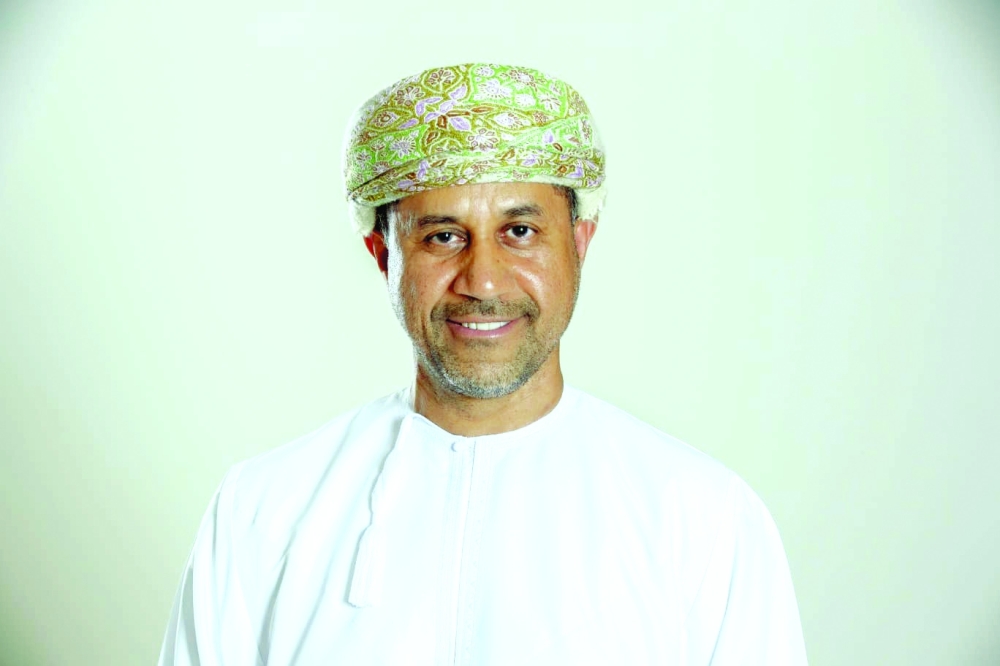
Dr Saleh bin Ali al Anbouri, Director-General of Oil and Gas Exploration and Production at the Ministry of Energy and Minerals, said the ministry is encouraging the use of advanced technologies to improve oil recovery and reduce the environmental impact of production operations.
He cited Petroleum Development Oman’s pilot project in the Zulaimah field, which uses carbon dioxide in enhanced oil recovery operations, as an example of how economic growth and environmental sustainability can be integrated.
The project supports the extraction of oil trapped in tight rock formations while advancing carbon capture, utilisation and storage technologies.
The ministry is also supporting renewable energy projects linked to oil and gas operations. The Wind 1 and Wind 2 projects, with a combined capacity of up to 200 megawatts, have reached around 42 per cent completion and are expected to begin operations in Block 6 in the fourth quarter of this year. Once operational, they are projected to reduce carbon dioxide emissions by 740,000 tonnes annually.
A 100-megawatt solar photovoltaic project in the northern part of Block 6 has reached 51 per cent completion and is expected to start operations in the second quarter of 2026, reducing emissions by more than 220,000 tonnes annually.
Al Anbouri said the ministry is also promoting sustainable water management in production operations. The Nimr Wetland project, which uses reed beds to naturally treat produced water, has a treatment capacity of 175,000 cubic metres per day and contributes to reducing emissions by 113,000 tonnes annually. It has also developed into a natural habitat for more than 140 species of birds and animals.
The Rima Water Treatment Plant, which started operations in 2022, uses biological processes to treat about 40,000 cubic metres of water per day, saving up to 10 megawatts of energy and reducing emissions by 48,000 tonnes annually.
Other key projects include the 100-megawatt Amin Solar Photovoltaic Power Plant, which has cut emissions by more than 1.1 million tonnes since it began operations in 2020, and the Miraah Solar Steam Generation Project, which supports enhanced oil recovery through clean energy.
The ministry said PDO has raised its target to generate 30 per cent of the energy used in its operations from renewable sources by 2026.
Under Oman’s net-zero strategy, the country aims to reduce total emissions by 33 per cent by 2035 compared with the 2024 baseline. The oil and gas sector is targeting a reduction of up to 48 per cent by 2035, including 10 per cent as a committed target and 38 per cent conditional on financing, technology and international support.
Oman is also pursuing zero routine gas flaring by recovering and reusing associated gas instead of burning it. Operating companies have already achieved a 50 per cent reduction in routine flaring at several sites through gas recovery infrastructure and reuse in power generation and production facilities.
The adoption of Oman’s carbon market regulatory framework is expected to further support emissions reduction projects by enabling the trading, sale and purchase of carbon credits. The ministry said this will improve transparency, attract investment and help companies benefit from global carbon markets.
Together, these initiatives show how Oman is seeking to balance continued development of its oil and gas sector with the expansion of cleaner energy solutions and lower-emission technologies.
Oman Observer is now on the WhatsApp channel. Click here