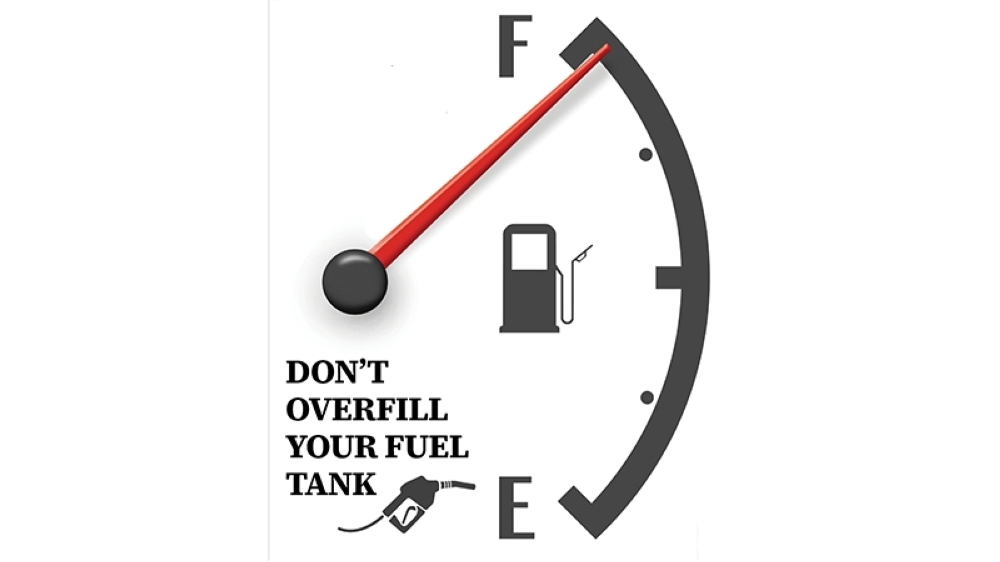





As temperatures soar during the summer months, many motorists instinctively fill their vehicle’s fuel tank to maximum capacity, believing it saves time and reduces trips to the petrol station.
However, automotive experts in Germany are warning drivers against topping off tanks during extreme heat, saying the practice can pose risks to both vehicles and the environment.
While it may seem harmless, overfilling a fuel tank on a hot day can create conditions that may lead to fuel leakage, damage to vehicle components, and in rare cases, fire hazards.
Experts explain that petrol and diesel expand when exposed to high temperatures.
Fuel stored underground at filling stations is typically kept cool, between 5 and 10 degrees Celsius. Once transferred into a vehicle and exposed to ambient temperatures that can exceed 30 degrees Celsius, it begins to warm and expand.
The German automobile club KS notes that this thermal expansion can increase fuel volume by around two per cent. Although this may appear minimal, it becomes significant when a tank is filled to the brim, leaving no space for expansion.
The result can be fuel overflow or leakage through a vehicle’s evaporative and ventilation systems. Beyond fuel wastage, such leaks may damage paintwork and protective coatings, while evaporating fuel contributes to air pollution and environmental harm.
More importantly, fuel vapours are highly flammable. In extreme heat, any leakage combined with an ignition source could increase the risk of fire.
Automotive technician Mahmood bin Ahmed Al Hinaei, with more than 15 years of experience, says many drivers are unaware of the risks linked to overfilling.
“Some motorists continue pumping fuel after the nozzle automatically stops, believing they are getting better value or extending their driving range,” he said. “In reality, modern fuel systems are designed with expansion space. Filling beyond that point can place unnecessary strain on the system and may lead to seepage, especially during the hottest months.”
He added that modern vehicles are equipped with evaporative emission control systems designed to manage fuel vapours safely, but repeated overfilling can reduce their effectiveness and lead to avoidable maintenance costs.
Experts recommend treating the automatic shut-off click as the natural endpoint of refuelling. Adding more fuel after that point offers little benefit while increasing the risk of damage or leakage.
The advice is particularly relevant in regions experiencing prolonged high temperatures, where parked vehicles can become significantly hotter than the surrounding air, accelerating fuel expansion.
As summer temperatures rise globally, a simple change in refuelling habits could help motorists protect their vehicles, reduce environmental impact, and improve road safety.
Oman Observer is now on the WhatsApp channel. Click here