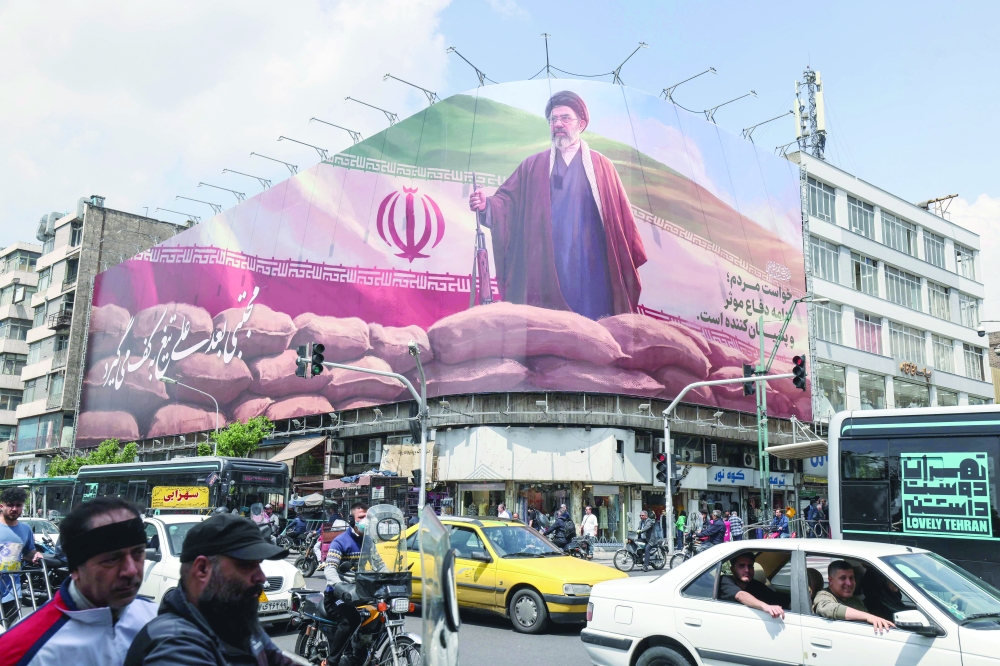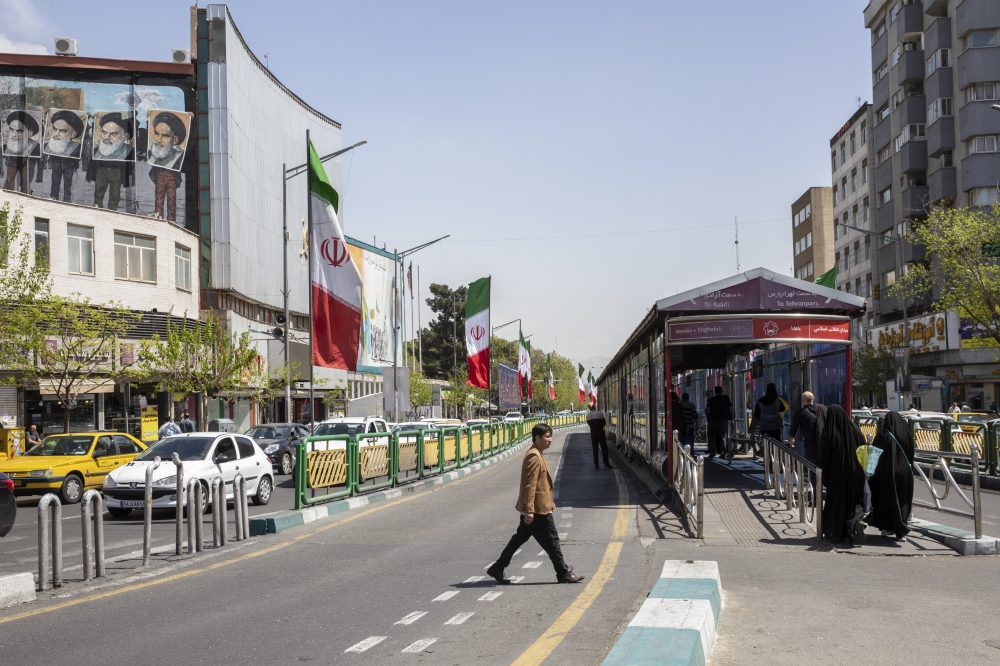





Senior Pakistani mediators, including the army chief, Syed Asim Munir, arrived in Tehran, the Iranian capital, on Wednesday in an effort to shore up the ceasefire between Iran and the United States before it expires next week.
Iran has continued to exchange messages with the United States through Pakistan since the initial talks ended without an agreement Sunday, and another round of negotiations has not been set, Esmaeil Baghaei, the spokesperson for Iran’s Foreign Ministry, said Wednesday. But the talks with Pakistan on Wednesday were expected to be a “comprehensive discussion about the perspectives of both sides,” he said.
White House press secretary Karoline Leavitt said reports that President Donald Trump wanted to extend a ceasefire with Iran were “not true at this moment,” while expressing optimism that talks could yield an agreement.
“We feel good about the prospects of a deal,” she told reporters, adding, “It’s obviously in the best interests of Iran to meet the president’s demands.”
The diplomacy came as Iran threatened to halt all trade in the region in response to a U.S. naval blockade of its ports. More than 10,000 soldiers, as well as dozens of planes and warships, are enforcing the U.S. blockade, halting goods from going into and out of Iran by sea, the U.S. military said. In response, the Iranian military said on state media that it could expand its grip over critical shipping routes.
“Iran’s powerful armed forces will not allow any exports or imports to continue in the Gulf, the Sea of Oman and the Red Sea,” said Maj. Gen. Ali Abdollahi, who leads the military joint command that oversees Iran’s army and Revolutionary Guard.
It is unclear how much control Iran can exert over shipping. Iran’s allies in Yemen have proved capable of attacking shipping in the Red Sea, shutting down that route, and Iran’s armed forces, while battered, still have the ability to harass ships in the Strait of Hormuz at the mouth of the Persian Gulf with mines and fast boats.
Here’s what else we’re covering:
— Lebanon: Israel is considering a possible ceasefire in Lebanon that could pause its war against Iran-backed Hezbollah, three Israeli officials said Wednesday. The talks of a truce followed rare direct talks between Israel and Lebanon in Washington. But it is unclear whether Hezbollah would go along with a ceasefire even if Israel and the Lebanese government agreed to one.
— Iranian rescues: Emergency teams have rescued more than 7,200 Iranians from rubble after U.S. and Israeli bombings throughout the war, the president of Iran’s Red Crescent society, Pir Hossein Kolivand, said. Iranian authorities have released little comprehensive information about the dead and wounded in the country, more than a month into the war.
— Death tolls: The Human Rights Activists News Agency said at least 1,701 civilians, including 254 children, had been killed in Iran as of last Wednesday. Lebanon’s Health Ministry said Tuesday that 2,124 people had been killed in the latest fighting between Israel and Hezbollah. In attacks attributed to Iran, at least 32 people have been killed in Persian Gulf nations. At least 22 people had been killed in Israel as of Sunday, as well as 12 Israeli soldiers fighting in Lebanon. The American death toll stands at 13 service members.
This article originally appeared in The New York Times.
Oman Observer is now on the WhatsApp channel. Click here