As the logistics sector in the Sultanate of Oman is witnessing continuous development to become one of the main pillars supporting domestic and foreign trade and enhancing the country's competitiveness at the regional and international levels, the Directorate General of Customs plays a role in this field by developing customs procedures, adopting modern technologies, and raising the efficiency of human resources.
These measures ensure the speed and flexibility of the movement of goods while adhering to international standards for control, inspection, and protection of supply chains, and efforts embody the Sultanate of Oman's commitment to advancing the logistics sector in a way that serves the national economy and strengthens its role as an advanced trade and logistics center.
They also confirm the ability of Omani Customs to keep pace with digital developments and innovation in providing customs services, in line with the requirements of modern global trade.
Digital transformation and enhancing customs efficiency
The efforts of the General Administration of Customs come within a comprehensive strategy to transform customs procedures and operations into an integrated electronic system, at the forefront of which is the Bayan system.
This system connects 74 government entities and provides more than 490 electronic services to the business community, eliminating the need to visit customs ports.
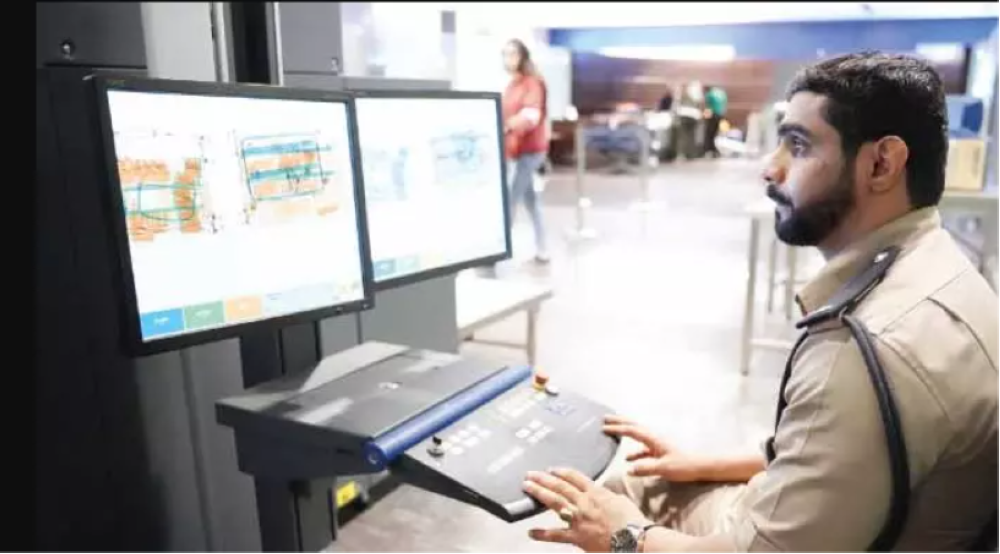
The system includes pre-clearance services, electronic tax payment, clearance with bank guarantees, temporary import services, and goods splitting, in addition to a risk management system and the latest inspection equipment for detecting prohibited, counterfeit, and restricted goods. These measures have contributed to reducing customs clearance times and achieving record levels in performance indicators.
The digital transformation in customs reflects the importance of linking customs information systems with other government and logistical entities to ensure the accurate and seamless flow of data, enhance transparency, and reduce operational risks. This system also allows for real-time monitoring of all customs operations, contributing to faster and more accurate decision-making.
Upgrading port infrastructure and facilitating trade
Omani ports, most notably Sohar Port, have undergone infrastructure upgrades, including the development of customs inspection systems based on electronic risk management and the development of a customs audit system.
These measures have contributed to increasing the competitiveness of the ports and the speed of customs procedures, and have strengthened the Sultanate of Oman's position in cross-border trade indicators.
The administration has also focused on developing control mechanisms and simplifying customs procedures, with particular attention to high-risk and dual-use goods, in addition to training staff on international best practices and accurately classifying goods, while expediting the release of goods and ensuring full compliance with international laws and agreements.
Secure customs corridor and advanced logistics initiatives
The Directorate General of Customs contributes to enhancing logistical integration through various initiatives, most notably the Secure Customs Corridor, which connects ports with free zones and investment warehouses. This corridor has contributed to reducing time and costs by up to half, thus enhancing the competitiveness of the transport and trade sector.
Duty-free investment warehouses allow for the re-export and long-term storage of goods, while the Authorized Economic Operator (AEO) program enables the building of strong partnerships with the private sector, enhances compliance with customs laws and procedures, and reduces risks associated with supply chains.
The Electronic Air Waybill and the International Road Transport (TIR) system have also been activated to facilitate the transit of goods without frequent stops at ports, thereby enhancing the speed of goods flow and strengthening the Sultanate of Oman's trade connectivity with global markets.
Improving the customs work environment and enhancing transparency
The Directorate General of Customs is working to improve the logistical work environment at customs ports, expediting procedures and facilitating the release of goods to support local and international trade. Continuous cooperation with the private sector allows for the swift resolution of obstacles and the creation of an attractive investment environment
Customs tariffs have also been updated in accordance with international standards, and the classification of goods has been facilitated, enhancing transparency and reducing the chances of errors in determining customs duties. Ongoing training programs for customs personnel contribute to raising the efficiency of law enforcement and strengthening adherence to international standards, which supports the logistics sector and maximizes economic benefits.
Strategic partnership between the public and private sectors
The Directorate General of Customs continues to strengthen its role as a strategic partner in supporting the logistics sector in the Sultanate of Oman by developing procedures, adopting digital solutions, and enhancing integration between the public and private sectors. These initiatives contribute to facilitating international trade, protecting the national economy, and supporting sustainable development. They also enhance the Sultanate of Oman's position as a promising regional logistics hub capable of competing with regional and global markets in the speed and efficiency of transport and customs clearance services.