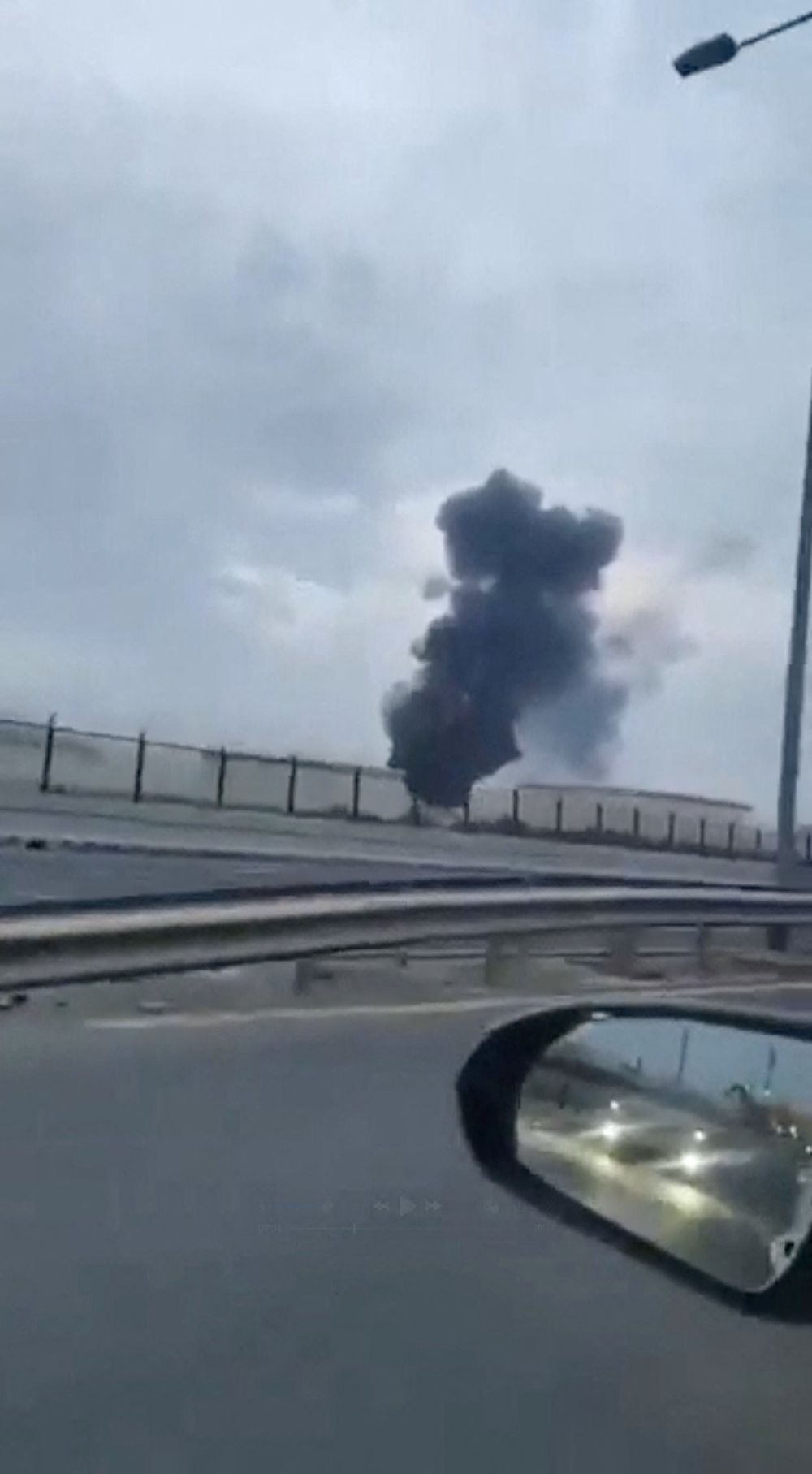
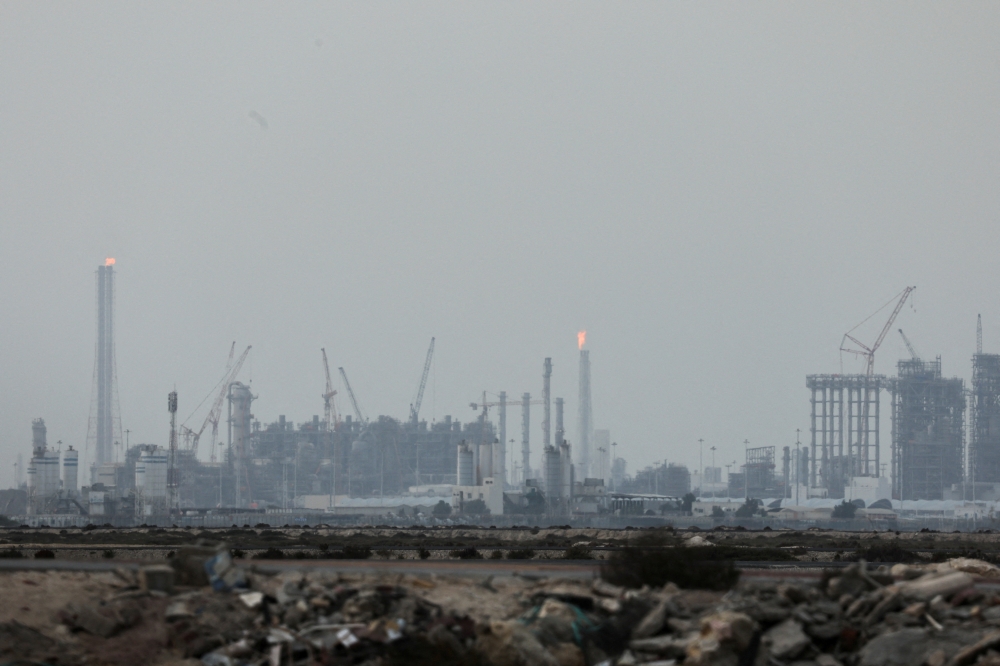





Vienna - Eight countries forming the core of the OPEC+ group of oil producers on Sunday voiced concern over Iran's attacks on energy infrastructure as oil shortages persist amid the war in the Middle East.
"Restoring damaged energy assets to full capacity is both costly and takes a long time, thereby affecting overall supply availability," the countries said in a joint statement after an online meeting.
They also highlighted the "critical importance of safeguarding international maritime routes to ensure the uninterrupted flow of energy" - a reference to the Strait of Hormuz, which Iran has effectively blocked in reaction to US-Israeli attacks.
The group - consisting of Saudi Arabia, Russia, Iraq, the United Arab Emirates, Kuwait, Kazakhstan, Algeria, and Oman - said they would increase oil production in May by 206,000 barrels per day.
Given the blockade of the Strait of Hormuz, through which around 20%of global oil trade passes, the move is more symbolic than practical, as the oil market faces a supply problem rather than a production shortage.
Much of the available oil supply is currently going to Asia, namely China, Japan, and South Korea, according to Carsten Fritsch, an analyst at Germany's Commerzbank. "Asia is currently suckingeverything up like a vacuum cleaner," he said.
US President Donald Trump has urged countries facing shortages to source oil from the United States. However, the impact of this on global prices remains uncertain, as they are determined by global supply, which has been restricted due to the war.
According to figures from the International Energy Agency in March, countries in the Gulf region have reduced their daily oil production by at least 10 million barrels, or nearly 10% of global demand, citing limited storage capacity for oil that cannot pass through theStrait of Hormuz.
Oman Observer is now on the WhatsApp channel. Click here