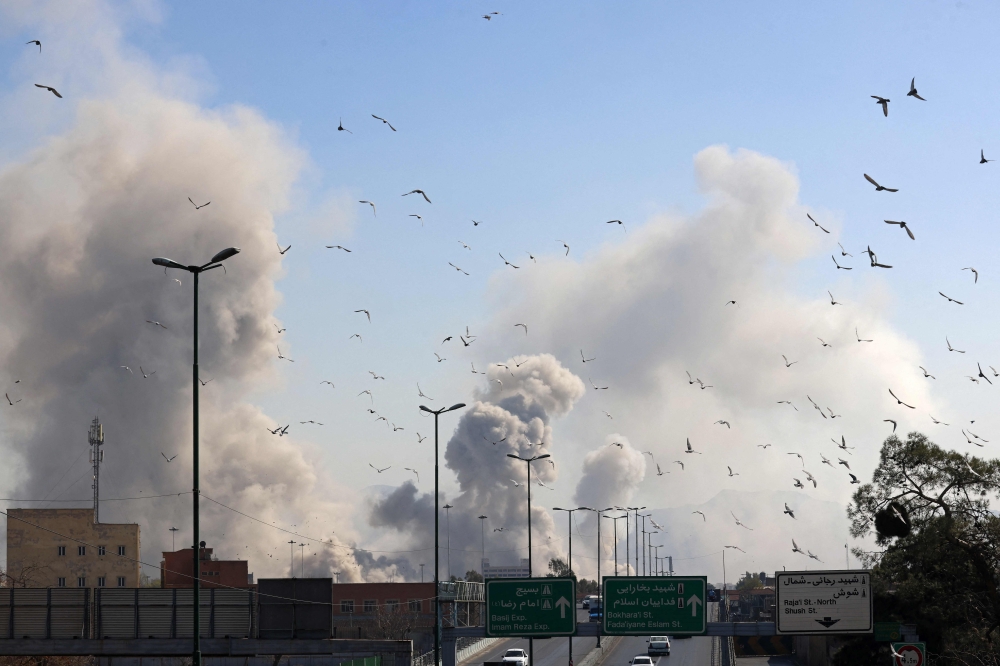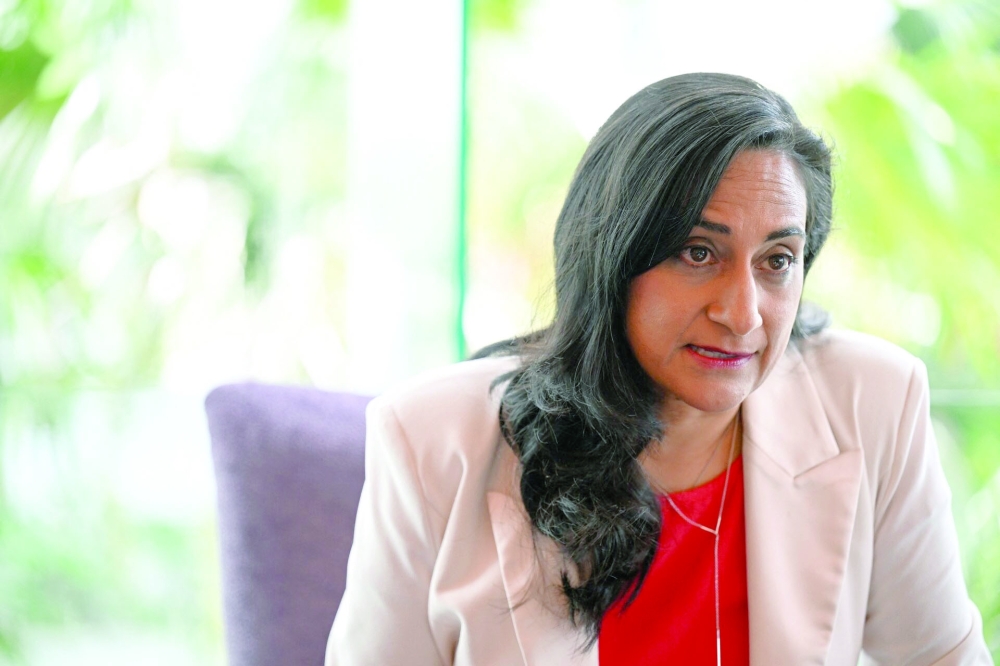





The G7 should collectively back a de-escalation of the war in the Middle East, Canada's foreign minister said, before a meeting of top diplomats from the group expected to be dominated by the conflict. Anita Anand said that she had spoken to all countries impacted in the region and all G7 members "to ensure that we are all collectively advocating for de-escalation and for the opening of the Strait of Hormuz and for a path forward for the Iranian people that preserves their lives."
The Strait of Hormuz, a crucial trade waterway, has been virtually closed by Iranian forces in the Middle East war, leading to a spike in global energy prices. "We must continue to use diplomatic channels to be sure there is a common view not just for a de-escalation but to mitigate the economic shock," said Anand, pointing to "problems in the global provisioning chain".
There is to be no final joint communique at the end of the meeting, and instead, the G7 presidency, which is held this year by France, will issue a statement, a diplomatic source said, asking not to be named. "For Canada, it's very important to have a de-escalation and an opening of the Strait of Hormuz and also to continue to avoid the loss of civilian lives, that is the objective of Canada here," said Anand. "The G7 is a multilateral organisation and we will have the conversation here," she added. — AFP
Oman Observer is now on the WhatsApp channel. Click here