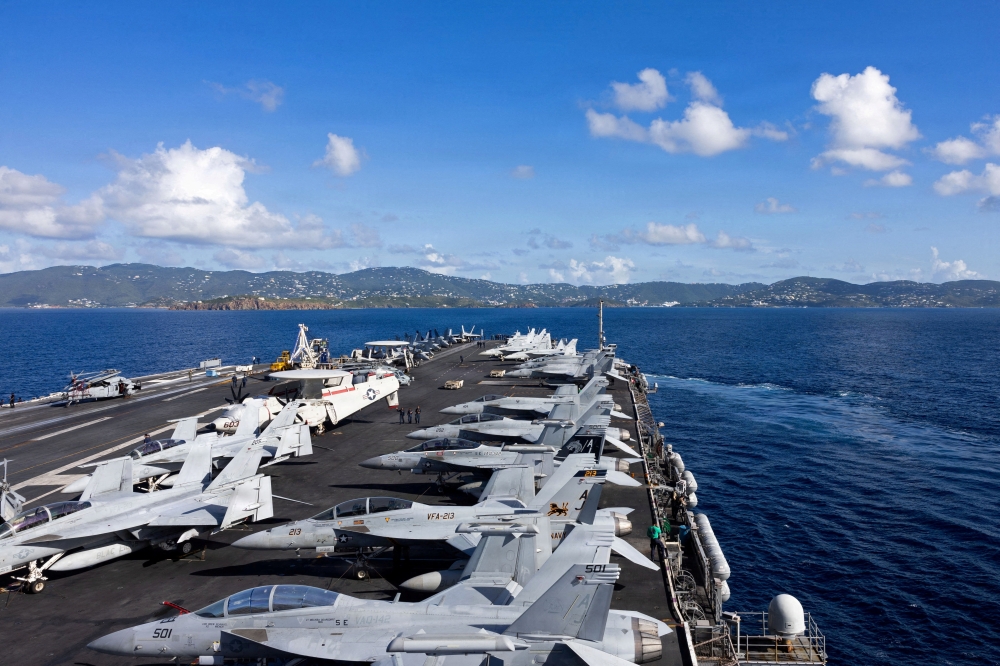
Over the past weeks, headlines across the Middle East have carried a familiar weight. Military strikes between global powers and Iran have intensified regional tensions, with attacks reaching across multiple countries and raising fears of a wider conflict. Shipping routes through the Strait of Hormuz, one of the most important energy passages in the world, have been disrupted, and security concerns have echoed across the Gulf.
Even when conflict happens beyond our immediate borders, its emotional ripple travels quickly. News updates arrive through our phones, televisions, and conversations, bringing images and stories that can leave many people feeling uneasy. For parents in particular, moments like these can create an internal tension. Life continues with its daily responsibilities, yet the wider world suddenly feels unpredictable.
Children experience this atmosphere differently from adults. They rarely understand the complexities of geopolitics or international conflict, yet they are deeply sensitive to emotional signals. Long before they comprehend the facts, they notice tone, mood and energy. A parent scrolling anxiously through the news, a worried conversation overheard in the kitchen, or a shift in the emotional climate of the home can register in a child’s nervous system.
Human biology is designed to detect threats. When the brain perceives danger, the nervous system activates its protective response. Hormones such as adrenaline and cortisol increase alertness and prepare the body for action. This response is helpful in short bursts, however continuous exposure to distressing information can keep the system in a prolonged state of vigilance. Over time, this may show up as irritability, difficulty sleeping, restlessness, or a lingering sense of unease.
In households with children, emotional states rarely exist in isolation. Neuroscience describes a process known as co-regulation, where a child’s nervous system responds to the emotional cues of the adults around them. When caregivers feel overwhelmed, children often absorb that tension. When adults remain calm and grounded, children are far more likely to experience safety.
This insight offers a powerful reminder. While none of us can sway the course of international events, we hold enormous influence over the emotional environment inside our homes.
Creating that stability does not mean ignoring the reality of the world. It means choosing how much of that reality enters the rhythm of daily life. Limiting constant news exposure can help prevent the nervous system from remaining in a heightened state of alarm. Creating small rituals of calm, shared meals, quiet evenings, walks outside, or moments of laughter, gently restores a sense of normalcy.
Conversations with children also benefit from balance. When they ask questions about events in the world, simple and age-appropriate explanations are often enough. Children do not need every detail of global conflict. What they need most is reassurance that they are safe and supported.
History reminds us that the world has always moved through periods of uncertainty. Yet within that uncertainty, families have continued to raise children, build connection, and nurture resilience. Stability does not come from the absence of challenge, but from the presence of steady relationships.
When the outside world feels loud and unpredictable, the most meaningful influence we hold may be closer than we realise. Within our homes, through calm presence, attentive listening and small daily rituals of connection, we create islands of safety.
We cannot quiet the noise of the world, nor can we control the storms unfolding beyond our borders. However, inside our homes, we hold a different kind of power: the power to create security, steadiness, and emotional refuge. In uncertain times, the calm we embody may become the strongest protection our children will ever know.
Hyesha Barrett
The writer is a Master Life Coach and Positive Parent Specialist
Oman Observer is now on the WhatsApp channel. Click here