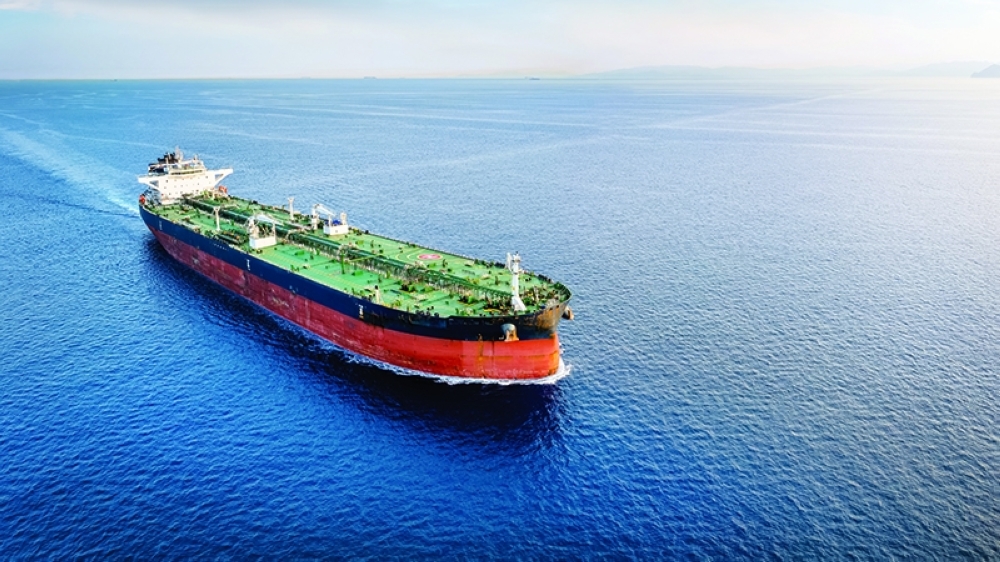





Iranian crude oil has continued to flow through the Strait of Hormuz at a near-normal pace even as Tehran-linked attacks on ships in the narrow waterway have decimated exports from other Gulf countries, a Reuters review of tanker tracking data showed.Iran has exported about 13.7 million barrels of crude oil since Israel and the U.S. launched attacks on the country on February 28, according to analysis from TankerTrackers.com, a maritime intelligence company that specialises in tracking the so-called shadow fleet, a network of vessels used to transport oil and gas from countries under Western sanctions.Vessel tracking service Kpler pegged Iranian exports in the first 11 days of March even higher at about 16.5 million barrels. Iran's retaliation to the Israeli and U.S. attacks has included strikes on ships in the Strait of Hormuz and energy infrastructure across the Middle East, bringing non-Iranian vessel transits through the main gateway for much of Middle Eastern oil exports to a near standstill and forcing producers in the region to cut output. Iran's ability to keep exporting oil without any reported interceptions contrasts sharply with what happened during the U.S.military campaign in Venezuela, which involved a naval blockade of the Latin American nation and seizures of vessels attempting to enter or exit Venezuelan waters. "I'm surprised, given their successful seizures of Venezuela-related vessels this past December, that the US did not initiate a similar campaign prior to starting this conflict, or has not done so at this time," said David Tannenbaum, a director at consulting firm Blackstone Compliance Services.However, US efforts to stop Iran-linked tankers could unleash more attacks on vessels passing the Strait of Hormuz, Next Barrel oil and shipping analyst Matias Togni said.So long as Iran is moving its vessels through the region, Iran has an incentive to keep the Strait of Hormuz open at least to some degree, said James Lightbourn, shipping financier and founder of Cavalier Shipping, maritime investing and advisory business."If the US were seizing tankers, it would give Iran less to lose by shutting the strait entirely (such as with mines)," Lightbourn said.US President Donald Trump's White House did not immediately reply to a request for comment on whether Washington plans any actions against Iranian oil exports.The TankerTracker.com and Kpler data indicate Iran's crude oil exports equate to between 1.1 million barrels per day and 1.5 million bpd from February 28 through March 11. The country's average exports last year were 1.69 million bpd, according to Kpler records. The pace could pick up in the days ahead. Multiple very large crude carriers, the largest oil vessels in service, are still loading oil at Iran's Kharg Island export hub, according to satellite imagery reviewed by TankerTrackers.com.Prior to the February 28 strikes, Iran had ramped up exports to about 2.17 million bpd in February in anticipation of Israeli-U.S. military action, Kpler data showed. Record oil exports from Iran were about 3.79 million bpd in the week of February 16, the data showed. Six crude oil tankers have left Iran since February 28, including the U.S.-sanctioned vessel Cuma, which sailed this week, according to analysis from Kpler and Lloyd's List Intelligence. Two liquefied petroleum gas tankers, also under US sanctions, sailed out of Iranon Friday after loading cargoes, Reuters earlier reported. At least 11 million barrels of crude oil have been shipped out of Iran, with four supertankers that left Iran carrying 8 million barrels arriving in waters around Singapore, a separate analysis showed.The vessels follow the same pattern of sailing within Iran's exclusive economic zone, which extends up to 24 miles and beyond local territorial limits of 12 nautical miles.This is seen as providing the vessels with a measure of protection by keeping them within Iran's waters, shipping sources said.GRAPH1. Iran's crude oil exports equate to between 1.1 million barrels per day and 1.5 million bpd from February 28 through March 11.2. Prior to the February 28 strikes, Iran had ramped up exports to about 2.17 million bpd in February in anticipation of Israeli-US military action3. At least 11 million barrels of crude oil have been shipped out of Iran, with four supertankers that left Iran carrying 8 million barrels4. Iran has exported about 13.7 million barrels of crude oil since Israel and the U.S. launched attacks on the country on February 28
Oman Observer is now on the WhatsApp channel. Click here