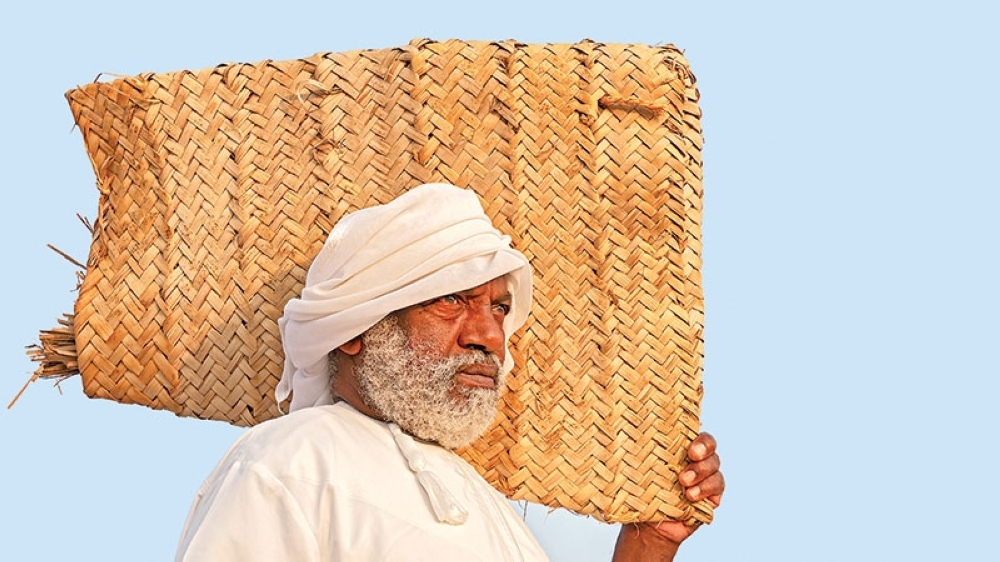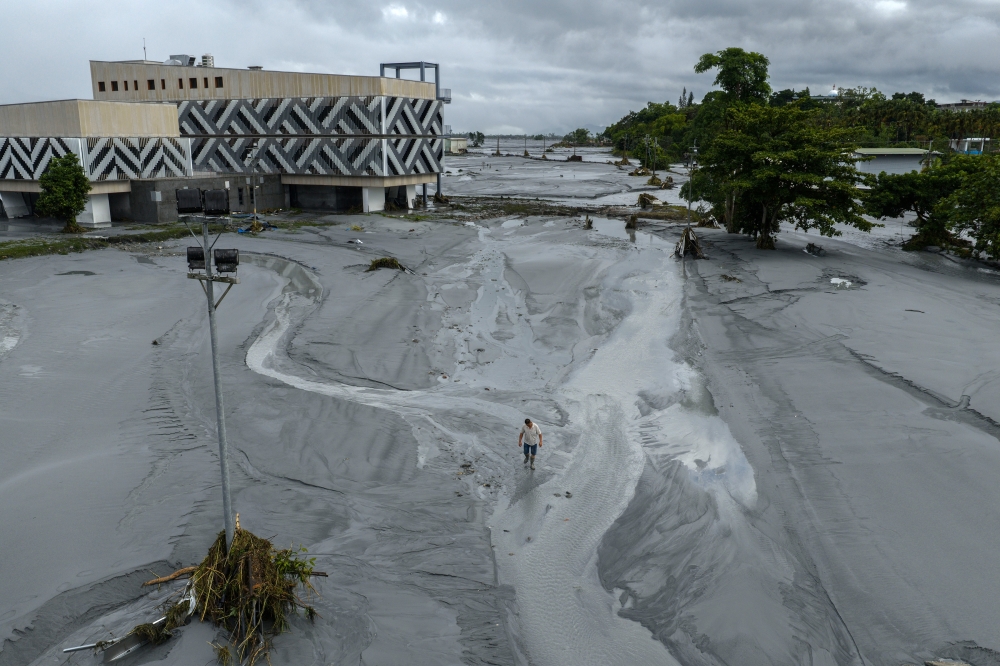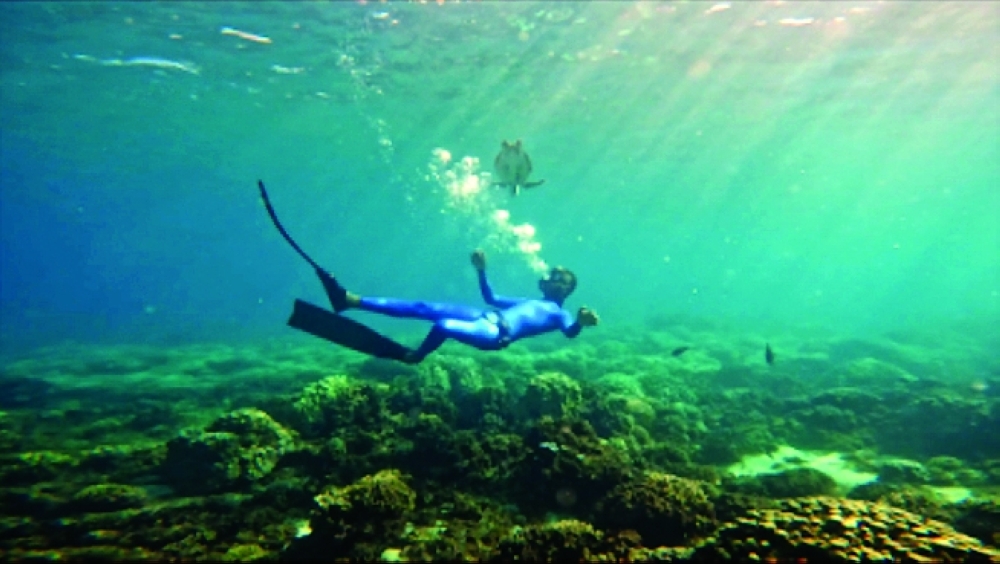





Omani documentary cinema offers something increasingly rare: a contemplative gaze that transforms geography into narrative and place into memory.
From the rugged peaks of Al Hajar Mountains to the vast horizons of the Arabian Sea, from ancient souqs to the quiet stories of remote villages, Oman’s landscape emerges not merely as scenery, but as a living visual language shaping the rhythm and soul of documentary storytelling.
Blessed with striking geographical diversity — Oman provides film-makers with exceptional cinematic material. This diversity does more than frame the image; it actively participates in the narrative, lending authenticity, emotional depth and cultural resonance to documentary films.
Dr Mohammed bin Sulaiman al Kindi, documentary film-maker and member of the Oman Film Society (OFS), describes Oman’s environmental and climatic diversity as a defining cinematic strength. “The sea, trees, people, stones, and even the movement of the sun and moon merge into a unique visual narrative,” he says. “The meeting of desert sands with the sea, and the sea with the mountains — shaped by caves, plains, valleys and traditional architecture — creates a visual harmony that documentary cinema can transform into powerful storytelling.”

According to Al Kindi, these elements form the building blocks of stories that give documentaries credibility and depth. He also points to Oman’s strategic maritime position as a cultural asset. With a coastline extending more than 3,165 kilometres, the country has long been a crossroads of cultures shaped by trade, migration and maritime exchange — legacies that continue to influence contemporary documentary narratives.
Echoing this perspective, Dr Rashid bin Abdullah al Yafai, OFS board member, describes Omani documentaries as part of a broader cultural project. “They are closely connected to people and their environment,” he says. “From daily customs to crafts and arts, these films preserve cultural memory while presenting it in a visually compelling and human-centred way.” Al Yafai stresses the importance of balancing local authenticity with a universal human perspective. By focusing on individuals and their lived experiences, Omani documentaries transcend cultural boundaries without losing their identity.
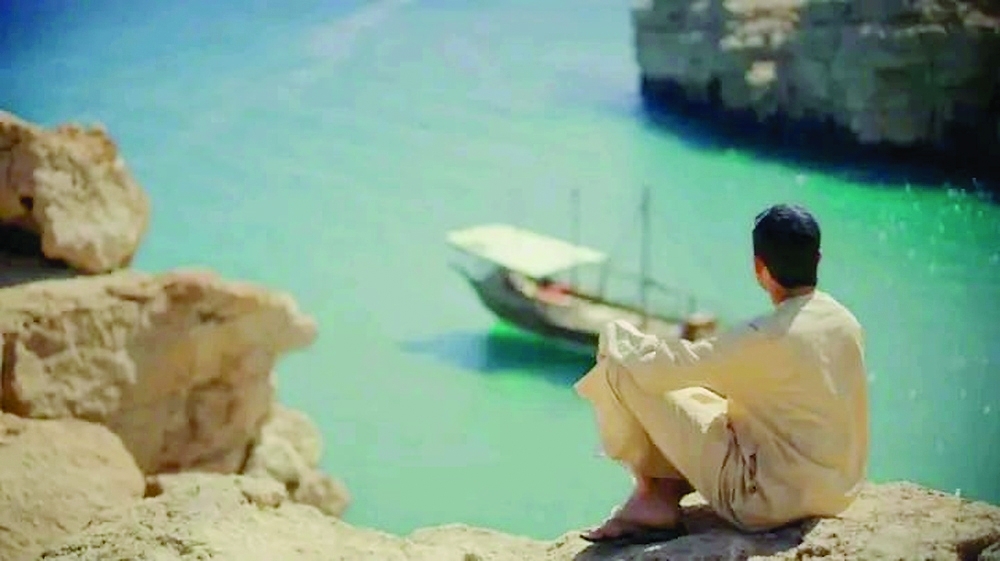
He also highlights the early role of Oman TV in the 1970s in shaping documentary cinema, followed by the growing influence of the Oman Film Society in nurturing talent and promoting films locally and internationally.
Director Ahmed bin Amer al Hadhari views documentary film as an art form in its own right, noting that documentaries explore themes such as identity, tradition and modernity through a careful balance of reality and interpretation.
Looking ahead, Fahad bin Ramadan al Maimani, lecturer in film-making at the University of Technology and Applied Sciences, sees AI as an opportunity rather than a threat. “Technology is a tool, not a replacement,” he says. “AI can enhance visuals and restore archives, but it cannot replace human emotion.”
Despite rapid technological change, Omani documentary cinema remains rooted in place, people and memory — continuing to tell Oman’s story to the world through a visual language shaped by authenticity, imagination and belonging. - ONA
Oman Observer is now on the WhatsApp channel. Click here