




There will be limited relief from Washington's green light for Indian companies, including Reliance Industries, to buy otherwise-sanctioned Russian oil. Juicy discounts on that supply have long since narrowed, and now there will be more competition from other buyers. And in a situation of very limited supply, India's stockpile can only meet its needs for 25 days, per a Reuters report citing refining sources. India's demand for liquefied natural gas is a problem, too. It imports 80% of its needs from the Middle East. New Delhi curbed supply to industries on Tuesday, a day after extending waiting periods for cooking gas.
India has multiple levers it can pull to shield consumers from any price shock. New Delhi can ask state-backed fuel retailers like Bharat Petroleum and Indian Oil to absorb the increased cost. At a pinch, the government could cut excise duties, albeit at the cost of a wider budget gap. Inflation in India is also low: retail prices grew 2.75% year-on-year in January.
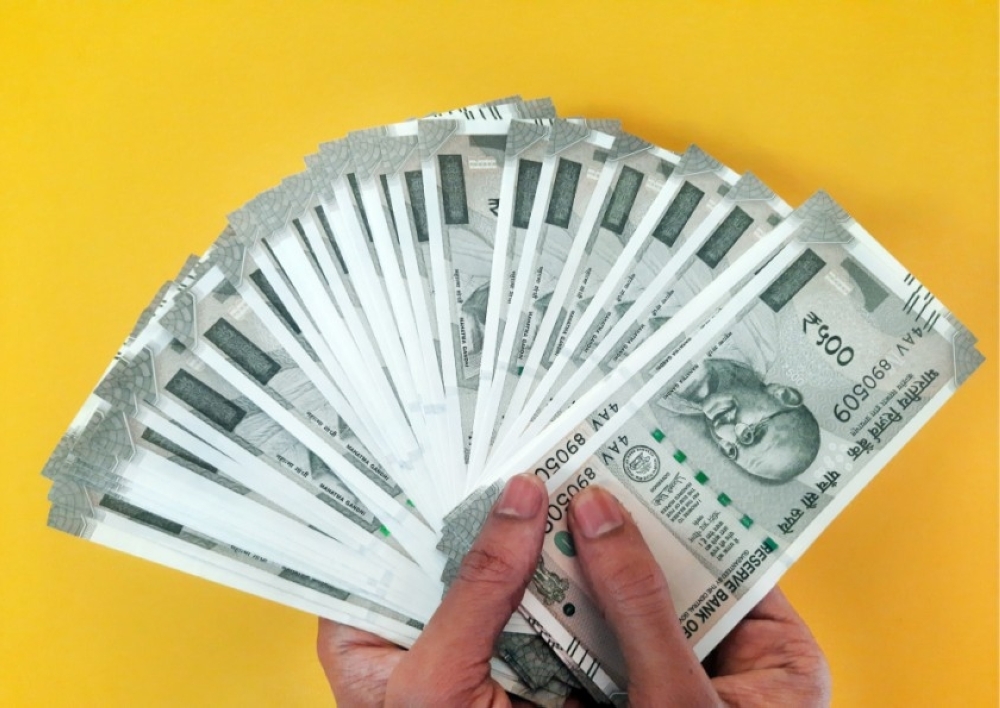
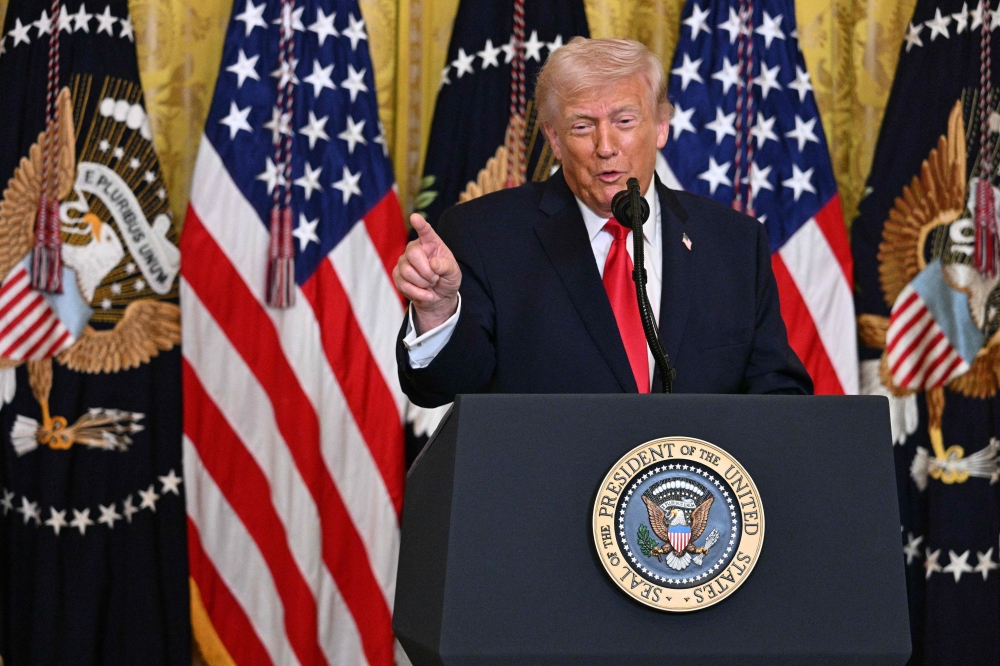
Protecting the rupee, however, is harder. Bigger fiscal deficits in national accounts will hurt. India's central bank intervened on Monday to stem the currency's slide. Though the price of oil receded to $92 per barrel after U.S. President Donald Trump claimed the war would be over "very soon", it remains volatile. If it held at $100 per barrel for three months, India’s current account deficit could rise to 2% of GDP from the baseline assumption of 1.6%, according to Gaura Sengupta, an economist at IDFC First Bank. That would be close to the 2.3% level clocked in 2008-09, soon after the global financial crisis.
India's currency is already suffering from weak net foreign direct investment and capital outflows, in part because of worries about the threat new artificial intelligence tools pose to India's services exports. A prolonged war in the Middle East will really grease the rupee's problems.
India does not expect inflation to rise substantially from a jump in global crude oil prices triggered by the war in the Middle East, as domestic price levels remain near the lower end of the central bank's tolerance band, Finance Minister Nirmala Sitharaman said on March 9.
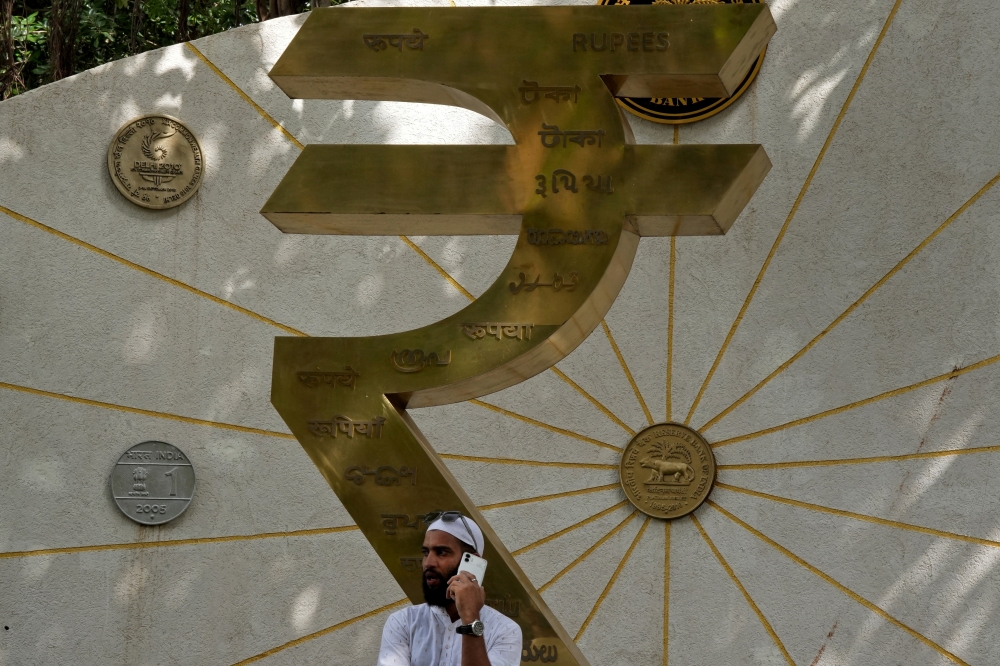
The Indian rupee fell to an all-time low of 92.3475 against the U.S. dollar on the same day, as surging crude prices sparked concerns over growth and inflation in the world's fifth-largest economy.
Oman Observer is now on the WhatsApp channel. Click here